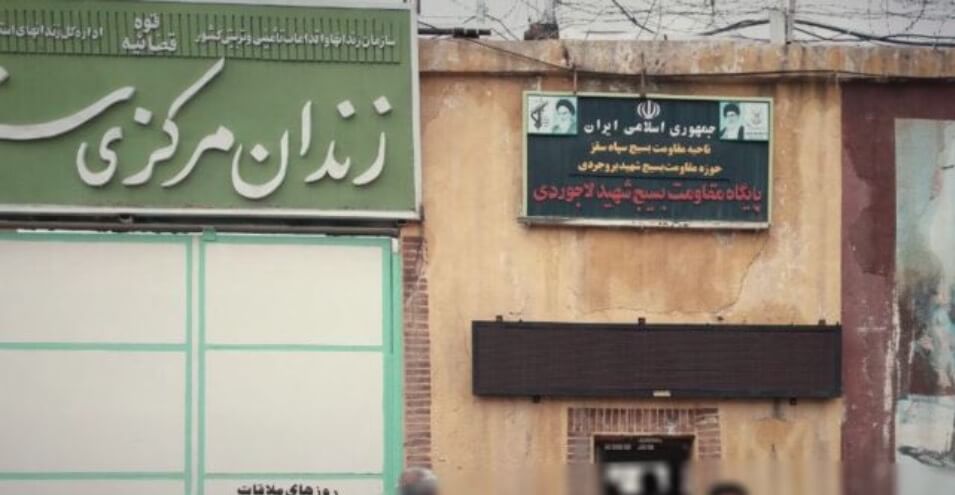
Son of a man executed in 1988: The Islamic Republic has been trying to eliminate the Khavaran for years
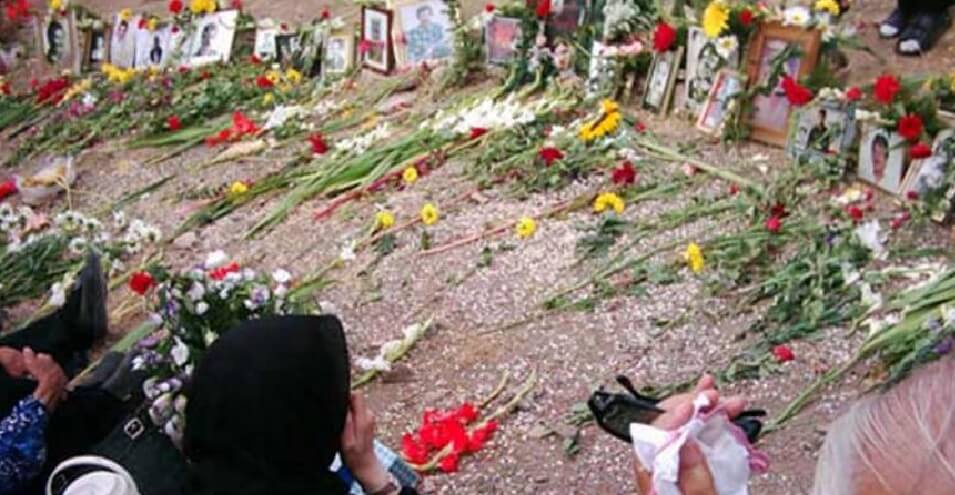
Following the publication of news reports about Baha'i citizens being forced to bury their deceased in mass graves in the Khavaran cemetery and the publication of a picture of new graves in the cemetery, a survivor of those executed in 1988 says that Iranian authorities "have been seeking to erase Khavaran from their record for years."
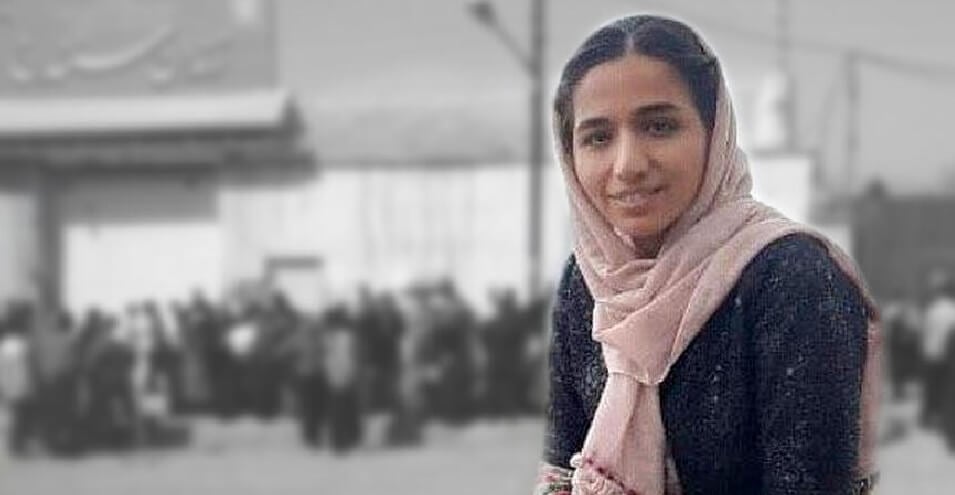
Bahareh Monshi Rudsari, who lost her father, Abbas Ali Monshi Rudsari, and some other relatives in the executions of 1988, told VOA that the Islamic Republic has been trying to destroy Khavaran for years, and in January 2008, they bulldozed it under the pretext of a plan to develop and organize cemeteries for religious minorities.
He believes that all the recent events in Khavaran are aimed at pressuring the survivors of those executed in the 1960s, adding: "They are constantly harassing and won't even pass by the corpse, while there are no more corpses and not even a bone left."
In recent days, at least 80 survivors of those executed in the 1960s have written a letter to the mayor of Tehran, requesting that Baha'i citizens not be forced to bury their deceased in Khavaren, saying: "Don't rub salt on our old wounds."
These families, who want no violations or changes to this cemetery, continue to say: "It is our civil and human rights as families to be aware of the exact burial place of our loved ones and to be able to honor the memory of our loved ones by attending their graves."
Continuing her conversation with VOA, Bahareh Monshi Rudsari emphasized the Islamic Republic's efforts to pressure Baha'i citizens and show the authorities' disdain for the families of the executed, adding, "This is a document of crime, and I hope that other people will protest this issue widely."
The mass graves of Khavaran Cemetery, located southeast of Tehran, are the burial place of the victims of the 1988 executions.
Earlier, Farhad Sabetan, a spokesman for the Baha'i International Community, had told Voice of America that the Khavaran Cemetery has now been flattened and that it appears that the remains of those executed in 1988 have been removed from the cemetery. If this is true, it would be a tragic issue not only for Baha'is but also for all Iranians who have lost their friends and families, because "it is not clear where those bodies are, so that we can now place other bodies on top of them... The Baha'i community really sees this as a form of spiritual persecution, because... they are also denied the right to their own burial."
In August and September 1988, on the orders of Ayatollah Khomeini, the leader of the Islamic Republic at the time, thousands of political prisoners opposing the government were secretly executed. Some of them were executed after having previously been sentenced to prison in the courts. Most of those executed were members and supporters of the People's Mojahedin-e Khalq Organization (PMOI), as well as other leftist groups and parties.
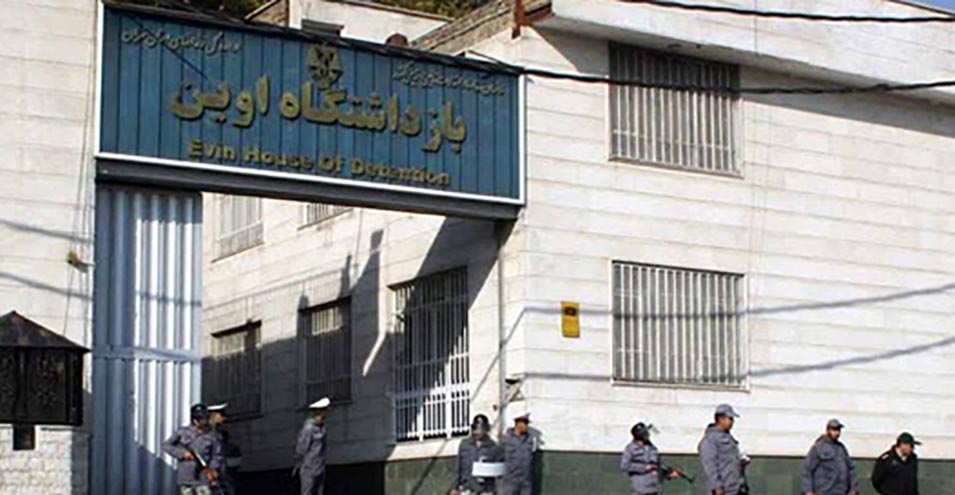
A few years ago, an audio recording of a meeting between Ayatollah Hossein Ali Montazeri and then-Islamic Jurisprudence Chief Justice Hossein Ali Nayiri, then-Prosecutor Morteza Eshraghi, then-Deputy Prosecutor Ebrahim Raisi, and then-Minister of Intelligence Mostafa Pourmohammadi at Evin Prison was released, in which Mr. Montazeri called these executions “the greatest crime.” Ebrahim Raisi, a member of this delegation at the time, is now the head of Iran’s judiciary.
Source: Voice of America