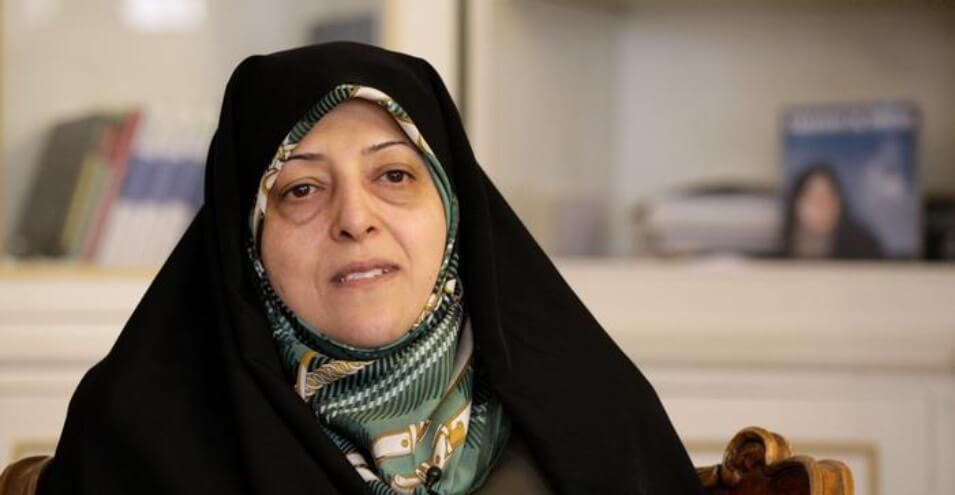
Noorali Tabandeh, the leader of the Gonabadi Dervish Qutb, was transferred to the hospital.

Noor Ali Tabandeh, the head of the Gonabadi Dervishes, was transferred to Mehr Hospital in Tehran due to his deteriorating condition and severe physical weakness.
According to the Campaign for the Defense of Political and Civil Prisoners, the head of the Gonabadi Dervishes, who had refused to eat food and medicine since Thursday, November 29, in support of imprisoned dervishes and in protest of their treatment in prisons, was transferred to Mehr Hospital on Tuesday, November 4, following his deteriorating condition and severe physical weakness.
Alireza Roshan, one of the managers of the Majzooban Noor news website, also confirmed this news in an interview with Voice of America.
According to this report, after Mr. Tabandeh was transferred to the hospital, on Wednesday, November 5, a number of Gonabadi dervishes gathered at Mehr Hospital to follow up on the physical condition and health of this Gonabadi dervish leader.
Previously, Mr. Roshan told VOA that 71 imprisoned Gonabadi dervishes, along with a number of dervishes outside prison, have been on a hunger strike since Sunday, November 1, in protest of the current situation of the dervishes and following the refusal of Noor Ali Tabandeh, the head of the Gonabadi dervishes, to eat food and medicine.
When these imprisoned dervishes began their strike, they asked Mr. Tabandeh to end his refusal to eat. Their other demands were to remove the security watch on the Gonabadi dervish, to open the Amir Soleimani Husseiniyeh in Tehran, and to lift restrictions on Mr. Noorali Tabandeh from freely meeting his friends.
On February 4, 2017, following the widespread presence of security forces and plainclothes in Golestan 7, in front of the house of Noor Ali Tabandeh, head of the Gonabadi Dervish Order, a series of clashes occurred between security forces and the special unit with the Gonabadi Dervish Order present in Golestan 7, as a result of which several police officers and Basij members were killed, and hundreds of Gonabadi Dervish Order were severely beaten and arrested.
Following these clashes, 202 Gonabadi dervishes were imprisoned and sentenced to a total of more than 1,080 years in prison.
Mohammad Salas was one of the Gonabadi dervishes who was arrested on charges of murdering police officers in these clashes and executed at dawn on June 19.
The US Secretary of State called the execution of this Gonabadi dervish "cruel and unjust" and said that the Iranian people deserve respect for human rights and freedom.
The United States has also repeatedly condemned the Islamic Republic's regime's repression of followers of religious minorities, including Dervishes, Baha'is, Christian converts, and even Sunni Muslims.
Source: Voice of America