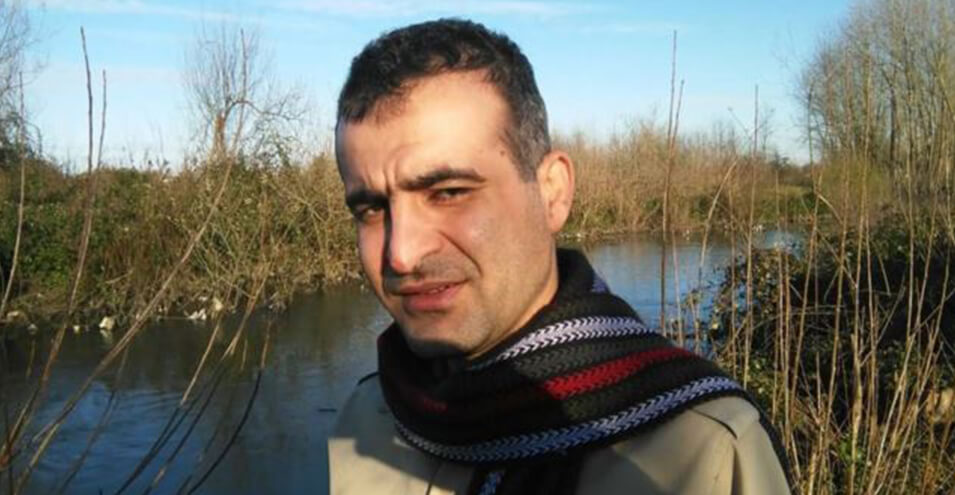
Mohammad Sharifi Moghadam's wife speaks about the worrying situation of imprisoned dervishes and the danger of Corona
Despite the outbreak of the coronavirus and its spread in Iranian prisons, the authorities of the Islamic Republic continue to refuse to send some political and ideological prisoners on short-term leave or agree to their conditional release, thus endangering the lives of these prisoners.
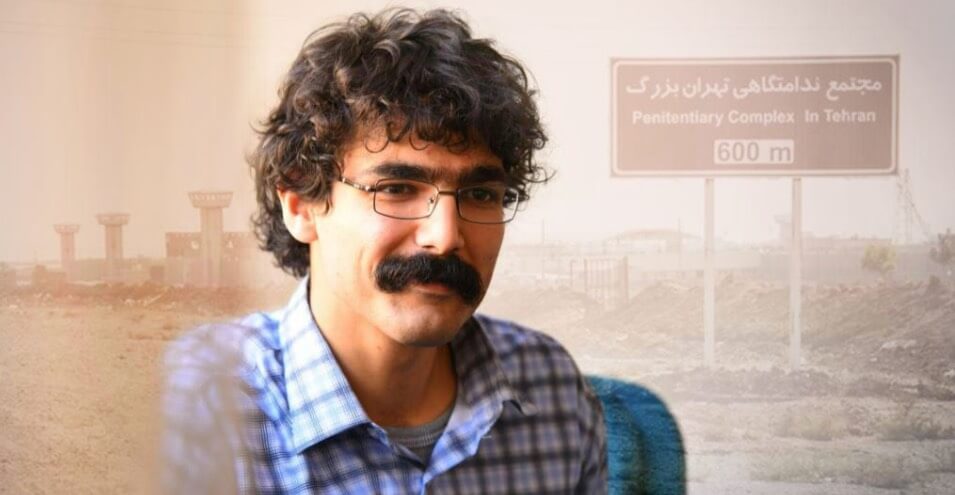
Faezeh Abdipour, the wife of Mohammad Shariqi Moghadam, a Gonabadi dervish imprisoned in the Greater Tehran Prison (Fashafoyeh), told Voice of America on Wednesday, May 14, about her husband's situation. She said that despite the Judiciary's directive to send prisoners on short-term leave, which was implemented in early March of last year, the leave of Mohammad Shariqi Moghadam and some other imprisoned dervish has still not been approved.
Ms. Abdipour cited the reason for the authorities' opposition to sending Mohammad Sharifi Moghaddam on leave as the Gonabadi dervish's sentence of more than 5 years in prison, saying: "We have pursued temporary release several times, written numerous letters - we even went to the execution of sentences and talked with the deputy prosecutor overseeing prisons, but all of these requests were rejected; as if it doesn't matter that the prisoners' lives are in danger and [as if] they don't get sick if they have been sentenced to more than 5 years."
According to one of the provisions of the Judiciary's circular issued in March of last year, political prisoners who have been sentenced to more than five years in prison on charges of "acting against national security" are "exempt from being sent on leave." This has not only drawn reactions from prisoners and their families, but also from human rights activists and officials in some countries.
US Secretary of State Mike Pompeo recently said in a press conference: "We have asked not only Syria, but also the Islamic Republic of Iran to release not only American citizens, but all those who have been unjustly imprisoned in these circumstances. This is a humanitarian act, and apart from the fact that these people have been illegally imprisoned, in these circumstances the principle of humanitarianism dictates that they be released from prison."
Faezeh Abdipour, the wife of the imprisoned dervish, also told Voice of America about the conditions in the Greater Tehran Prison: "When a prison like the Greater Tehran Prison is considered below zero in terms of overall health, treatment is meaningless. With the spread of this disease in the prison and some prisoners contracting the virus and a number of prisoners dying, the situation is very worrying. Concern for human health is our first concern, and at any moment we allow our loved ones to contract this disease."
The sentence of 12 years in prison, social deprivation, and two years of exile was issued to Borazjan Mohammad Sharifi Moghadam in absentia on August 18, 2018, by Judge Salavati. The prisoner, who has served two years and three months of his sentence, called the Revolutionary Courts' decision a decree when it was announced and refused to file an appeal.
The United States Commission on International Religious Freedom recently expressed concern about the state of religious freedom in Iran in its annual report. In the section on Iran, the annual report, published on Tuesday, May 29, stated that the Islamic Republic has increasingly targeted Muslim minorities, especially Sunnis and Dervishes, as well as followers of other religions and denominations, including Baha'is and Christians.
Source: Voice of America