Four strategies for protecting human rights during natural disasters based on UN guidelines
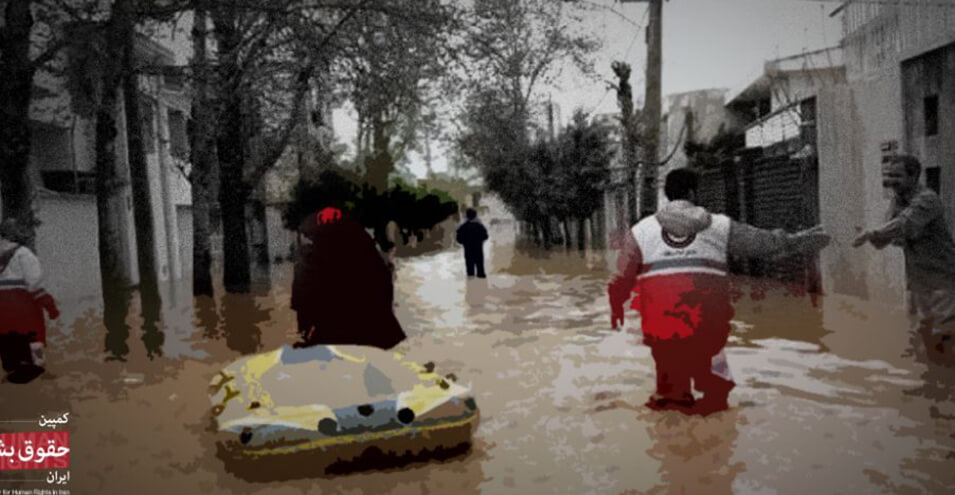
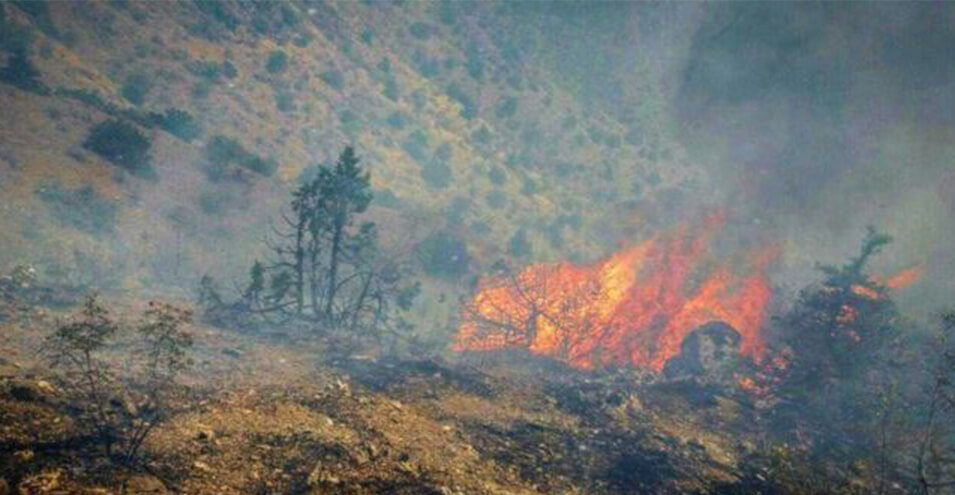
At least 19 people have been killed in recent days in the capital of Fars province, Shiraz, after flash floods triggered by heavy rains. State media reported that at least 100 people were injured and thousands of homes were destroyed. Research by the United Nations and humanitarian agencies shows that natural disasters increase the risk of human rights violations, including discrimination and sexual violence.
The Guidelines of the UN Court and its independent humanitarian partner IASC, revised in 2006, provide a human rights-based approach to humanitarian assistance during natural disasters and crises. The following is a summary of the Guidelines:
(It should be noted that Iranian-Swedish physician and disaster management researcher Ahmadreza Jalali is currently in prison in Iran on charges of espionage. He continues to insist on his innocence and claims that he was imprisoned for not being charged with spying for the Iranian Intelligence Organization. He was arrested in 2016 while visiting Tehran at the invitation of the University of Tehran.)
Measures to prevent violence and discrimination
1. "Protection of life; physical security and integrity of the individual; and family ties"
The IASC emphasizes that when necessary, evacuations “should be carried out in a manner that fully respects the rights of disaster-affected people to life, dignity, liberty and security, and does not discriminate against anyone.”
This requires communicating the reason for evacuation in a language that people can understand, as well as reassuring families that they will not be separated. Aid workers also have a responsibility to protect people’s safety, including against sexual violence, before and after the emergency phase.
Preventive measures include:
- Identify and locate people who are particularly at risk. For example, single women or girls, single-parent families, unaccompanied or unaccompanied children, the elderly, people with disabilities, etc.
- Advocating for the further expansion of security forces to provide necessary surveillance in areas at risk or sexual violence, theft, looting, etc., and generally areas subject to security unrest;
- Managing and raising awareness about specific needs among people who have specific and new security needs due to the crisis, such as exploitation, human trafficking, etc.;
- Avoiding very large or crowded shelters
- Inclusion of a representative sample of affected populations, including women, children, the elderly and people with disabilities, in care camps and community centers, particularly in the areas of:
- Design, location, and map of the shelter;
- Lighting, fencing and other security measures;
- and a safe place and access to food and water distribution
2. "Protection of the rights to food; health; shelter; and education"
The IASC adds that “humanitarian supplies and services should be provided on the basis of identified needs, without distinction other than on the basis of need and without discrimination on the basis of race, colour, sex, language, disability, religion, political or other opinion, national or social origin, property, birth, age or other status.”
Measures to prevent discrimination during humanitarian activities related to natural disasters and crises include:
- Use approved needs assessment tools that include all categories of people with special needs and provide an impartial identification of needs;
- Monitor in particular the equal access of people with special needs, the elderly, people with disabilities, sick people or families headed by women and with infants or young children to food, water, health services and other humanitarian services. Otherwise, give these people priority in accessing facilities or plan to provide different hours for the distribution of materials and services, etc.;
- The principled inclusion of female-headed households, unaccompanied children, the elderly, people with disabilities and other people with special needs when distributing humanitarian assistance;
- Protecting distribution points from riots and other elements that use violence;
- Monitoring the risks to which beneficiaries are exposed after distribution;
3. "Protection of rights related to housing; land and property; livelihoods; and secondary and higher education"
The IASC guidance also notes that relief efforts should respect and protect the right of individuals to property. In this regard, relief agencies should take the following steps:
- Video recording of remaining properties and belongings;
- Using standard forms to register abandoned property of refugees;
- Expanding police forces in areas where there is a possibility of destruction and looting;
- Ensuring that owners have access to effective remedies to address complaints about illegal occupation of their property
4. "Protection of rights related to registration; relocation; reshaping of family relations; right of expression and opinion; and elections"
The IASC states that affected individuals and communities should be “allowed and able to express their views and grievances in the context of humanitarian assistance, relief measures and reparations.”
- This requires creating mechanisms and opportunities for “affected people, including women, children, youth, and members of minority groups, to express their concerns and provide input on relief and redress measures.”
- Establish a specific mechanism for monitoring, reporting and investigating cases where individuals have been subjected to unfair treatment for exercising their fundamental rights to freedom of opinion, expression and assembly, and ensure that appropriate action is taken by law enforcement and the police in such cases.
Source: Human Rights Campaign