Coronavirus in Iran; The situation in Tehran is "worrying"
Alireza Zali has reported an increase in the number of COVID-19 cases in Tehran, calling the situation in the capital “worrying.” Jahanpour, despite reporting 80 recoveries in Tehran the previous day, considers this phase fragile.
Alireza Zali, commander of the coronavirus management and response in Tehran, has reported an increase in the number of people infected with the coronavirus in the capital over the past three days, describing the situation in the metropolis as "worrying."
According to ISNA, at a meeting of the Corona Management Operations Command Council in Tehran, Zali called the capital one of the most important hot spots for the Covid-19 disease in Iran and therefore stated that the situation in Tehran province is "incomparable" to other cities.
Rising number of infected people in Tehran
At the Corona Mediation Command meeting, which was held on Wednesday, April 10, Dr. Zali generally considered the number of patients infected with Covid-19 in Tehran to be exponential, adding that in the past three days, the total number of patients with the coronavirus has increased, and includes all those who have been treated as outpatients in medical centers or have been hospitalized.
Age of Corona victims in Tehran
The commander of the coronavirus management and response in Tehran stated that the average age of coronavirus victims in Tehran is 69 years and two months, saying that this number is higher than the national average.
According to Dr. Zali, patients hospitalized in Tehran hospitals due to COVID-19 are between 40 and 50 years old. Zali further concluded that the younger age of those hospitalized indicates that older people have self-quarantined as recommended and have left their homes less often.
Zali expressed concern at a public meeting of the Tehran City Council on Tuesday that Tehran would face a higher number of infected people next week, adding that the heavy traffic of citizens in the city over the past three days would have its consequences.
According to Zali, "The effects of this presence will be clear in the next five to nine days, and its casualties will also be known in the next two weeks, and it should not be said that the chaos in the capital two days ago had no effect."
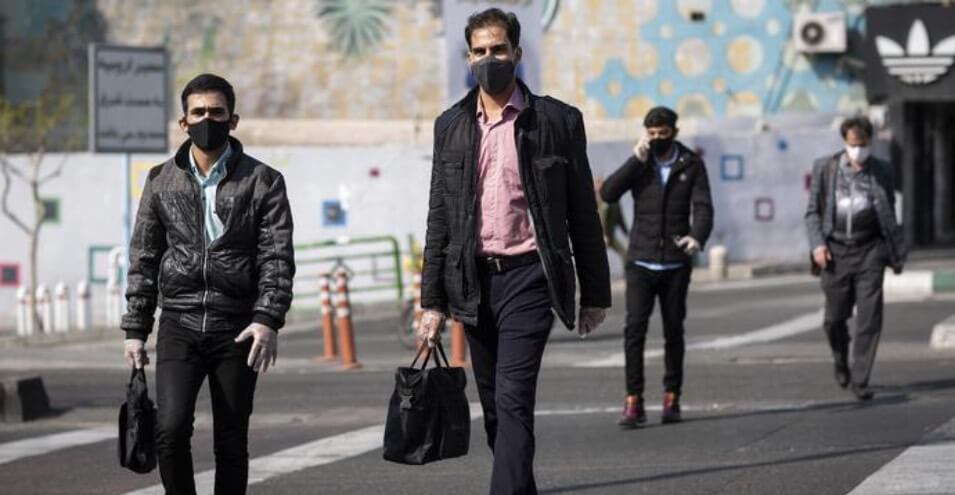
Since April 6, images of citizens traveling on public roads and subways, as well as in cars, have been seen on social media in Tehran. According to users, they show low-income and vulnerable people who do not have a stable source of income and often make a living as daily wage laborers or peddlers.
Experts have cited the government's lack of support for vulnerable groups as the reason for their violation of social distancing measures. Concerns about livelihoods and meeting household expenses have led some to prioritize earning an income over ensuring personal and public health.
Unique features of Tehran
Alireza Zali continued by pointing out the uneven distribution of population in Tehran, saying that the population density is high in the central and southern regions of Tehran, and that there is no such population in many cities in the country.
He also considered the lack of equal access to health facilities for residents of Tehran's satellite cities to be one of Tehran's problems and emphasized the need to achieve a strategic and comprehensive plan.
Addicts are one of the factors that spread the coronavirus.
Zali went on to describe "open addicts" who had previously been released from detention centers to prevent the spread of the coronavirus as one of the factors spreading the infection, and called for their return to rehabilitation centers or relevant institutions.
According to Zali, these addicts do not implement health and preventive protocols to combat the coronavirus.
80 recover from coronavirus in Tehran
Kianoush Jahanpour, spokesman for the Ministry of Health of the Islamic Republic of Iran, in a conference call with reporters on Wednesday, pointed to 80 cases of recovery from COVID-19 in Tehran, saying that this figure was more than one and a half times the number of suspected people who were hospitalized in medical centers the previous day.
Jahanpour, however, emphasized that this phase is "fragile" and warned against citizens' failure to strictly adhere to health warnings and recommendations.
Source: DW