UN Rapporteur: Iran Sanctions Are Unfair and Harmful
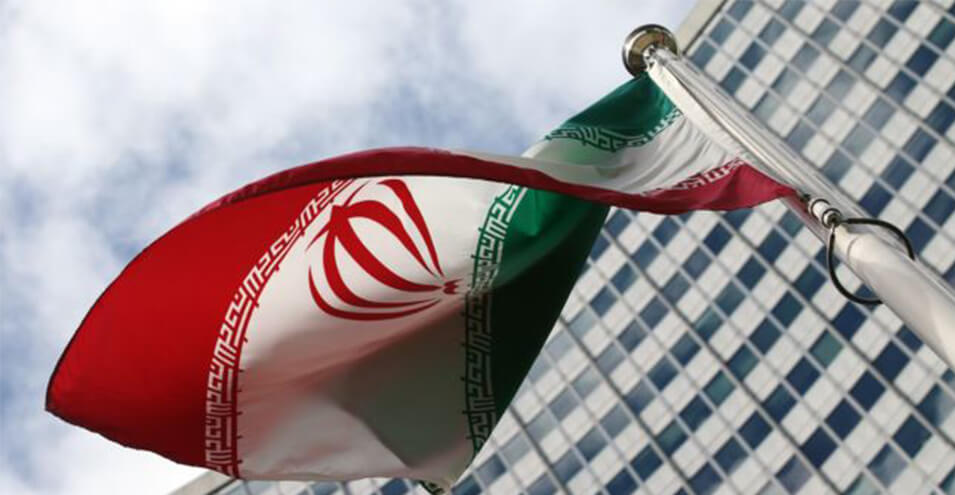
The UN special rapporteur says US sanctions on Iran are "unfair and harmful" and harm ordinary people.
Idris Jazayeri stated in a statement on Wednesday, August 21, that the reimposition of sanctions against Iran was made after the US withdrew from the nuclear deal and the comprehensive implementation of the deal by the Security Council, which, according to him, indicates that these sanctions are "illegal."
The UN Special Rapporteur on the “negative impact of unilateral coercive measures” added: “International sanctions must have a legitimate aim and be proportionate. Sanctions should not violate the rights of ordinary citizens, but none of these are considered in this case [sanctions against Iran].”
Mr. Jazayeri noted: “These unfair and harmful sanctions are destroying Iran’s economy and currency, driving millions of people into poverty, and raising the prices of imported goods to a point where they are no longer affordable for the people.”
US President Donald Trump withdrew from the JCPOA on May 8. On August 7, the first round of suspended US sanctions against Iran were reimposed.
Donald Trump has repeatedly called the JCPOA incomplete and the worst deal ever. He believes that the agreement did not address Iran's missile program and Tehran's destructive role in regional peace and stability. The US president wants a new agreement that addresses Iran's missile program and regional activities.
Following the US withdrawal from the JCPOA, the Iranian currency market experienced severe tension and the price of the dollar suddenly rose rapidly.
The Health Ministry spokesman also stated on August 12 that due to currency fluctuations, 40 to 50 foreign drugs have become scarce in Iran. However, Iraj Harirchi emphasized that “this shortage also exists in advanced European and American countries, and a shortage of one to two percent of drugs is inevitable.”
The UN Special Rapporteur emphasized on Wednesday, however, that the current situation is so uncertain that Iran is no longer able to import its essential goods.
He stressed that this situation could lead to a shortage of medicine and "the silent death of millions of patients in hospitals."
These statements were made while Saeed Namaki, Deputy Director of Social Affairs at the Planning and Budget Organization, had said on August 12 that "with the planning and coordination that has been done, people should not worry about the impact of sanctions on medicine and medical equipment."
In July, an "informed source" in one of Iran's drugstores told Shargh newspaper that economic conditions had not yet shown their impact on the pharmaceutical sector, but he suggested that people would "witness these effects" starting in September.
Source: Radio Farda