Europe seeks solution to refugee crisis at Türkiye-Greece borders
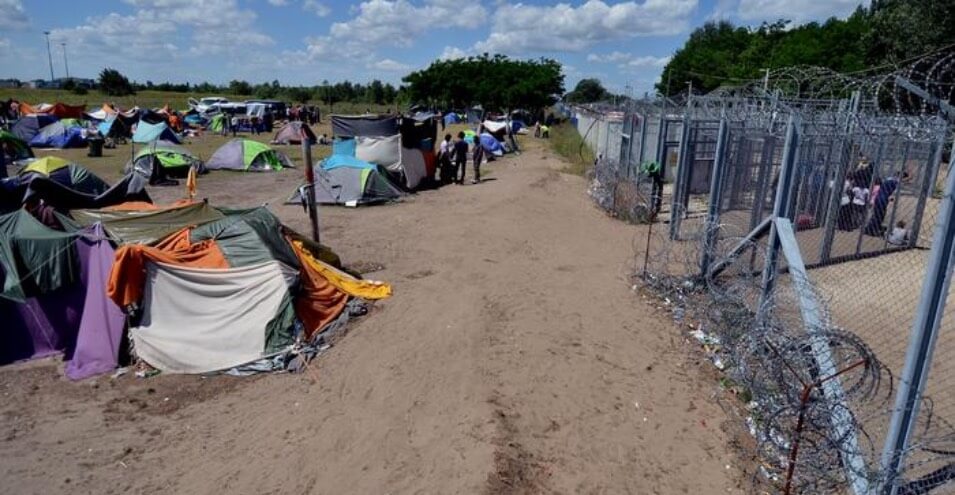
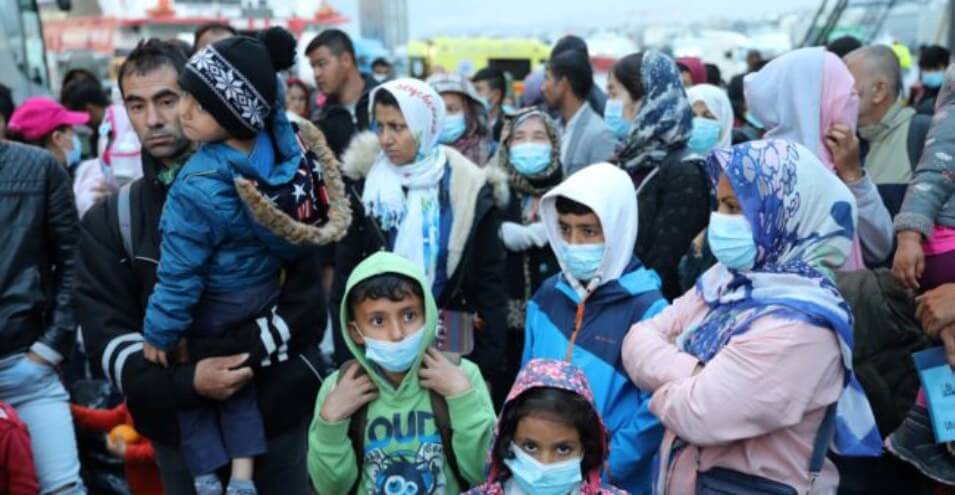
Thousands of refugees are waiting to enter Europe behind the Greek border. European officials have traveled to Turkey and Greece to contain the refugee crisis. Europe offered Turkey one billion euros in aid, but Erdogan rejected it.
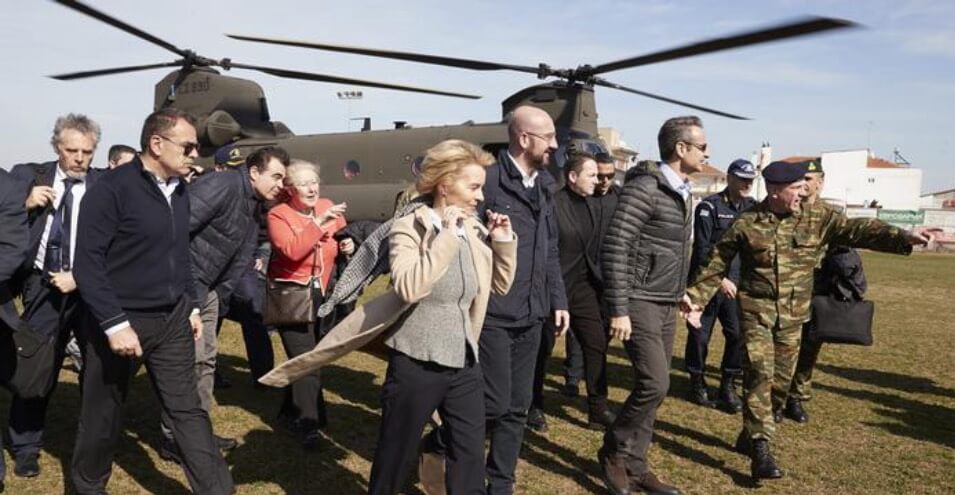
European Commission President Ursula von der Leyen, European Council President Charles Michel, and European Parliament President David Sassoli traveled to Greece to closely monitor the situation of refugees at the Greek-Turkish border. European officials visited the Greek-Turkish border.
The European Union's foreign policy chief, Josep Borrell, is scheduled to travel to Turkey on Tuesday, March 3, along with the EU's crisis management commissioner, Janez Lenarčič. According to a statement issued by the Turkish Foreign Ministry, the two sides are scheduled to consult with Turkish authorities on the refugee crisis and developments in Idlib.
EU to provide 700 million euros in aid to Greece
Ursula von der Leyen described the refugee crisis on the Turkish-Greek borders as a challenge for the European Union and said that it was a "priority" for Greece to receive assistance.
During a visit to the Greek-Turkish border regions, von der Leyen said the EU would provide Athens with 700 million euros in aid, half of which would be given to Greece immediately.
Thousands of refugees are currently stranded on the Turkish-Greek border. Von der Leyen made it clear that Greece's concerns and difficulties in this regard are the concerns of the European Union.
The European Union has also offered Turkey assistance. According to Erdogan, Europe offered the country one billion euros in aid, but he rejected it and did not accept it.
"They say we will give you one billion euros. Who are they deceiving? We don't want this money. Turkey has spent $40 billion on refugees, it will find that amount," the Turkish president told European officials in Ankara during a meeting with Bulgarian Prime Minister Boris Borisov.
Erdogan stressed that Turkey's expectation from European countries for a "fair sharing of the burden and responsibility of hosting refugees" has so far "remained unanswered." He stressed that the EU has not fully fulfilled its obligations under the 2016 agreement.
Erdogan has advised Charles Michel, the President of the European Council, to “look at the actions of the Greek Coast Guard on the Aegean coast.” Erdogan said in this regard: “Greek forces killed two people today and seriously injured another. They are not respecting international migration law.”
Erdogan's telephone conversation with Merkel
The Turkish President and German Chancellor Angela Merkel also discussed developments related to the refugee crisis on the country's border with Greece in a telephone conversation.
Erdogan threatened that new refugees would head towards the EU borders. In the phone call, the Turkish president stressed that “the burden of refugees should be shared fairly between Turkey and Europe.”
Merkel also said that it is understandable that Turkey is expecting more help from the European Union, but opening the borders under the pretext of refugees is "absolutely unacceptable" and this issue should not be exploited.
The Greek border is closed.
Greece has closed its borders to refugees and the country's police are not allowing refugees to enter the country.
Videos posted on social media by refugee organizations show the Greek coast guard firing to drive away migrant dinghies. In some videos, residents of Greek islands are seen inciting the boats to move them away.
Refugees, mostly from Syria, Afghanistan and Iran, contacted DW and reported that Greek police had "savagely attacked children and women".
"We have no choice and we are waiting for European countries to reach a conclusion and grant asylum to the refugees," Hossein Mohammadi, an Afghan citizen waiting to enter Europe in Edirne, told DW.
According to the International Organization for Migration (IOM), more than 13,000 people were stranded at the border with Greece on Sunday, March 1, following the opening of Turkey's borders to the European Union. The refugees are trying to enter the EU, but the EU has deployed Frontex forces to protect the Greek borders from the new wave of refugees.
Last night, Greek police announced that they had prevented the illegal entry of more than 5,000 refugees and arrested 45 refugees from Afghanistan, Pakistan, Morocco and Bangladesh.
Greek Prime Minister Mitsotakis has said that "Greece does not pay ransom to anyone and defends the borders of the European Union."
European authorities remain silent about Greek police action
Turkish Foreign Minister Mevlut Cavusoglu said on Tuesday, March 3, during a meeting with his British counterpart Dominic Raab in Ankara that none of the EU members question "Greece's harsh treatment of illegal immigrants."
According to Cavusoglu, Greece must treat refugees in accordance with international law.
Turkey hosts 3.7 million Syrian refugees. In addition, refugees from Iraq, Afghanistan, Pakistan, Bangladesh and Iran have also come to Turkey to enter the European Union through the country.