Trump Permanently Bans Immigrants and Visitors from Iran
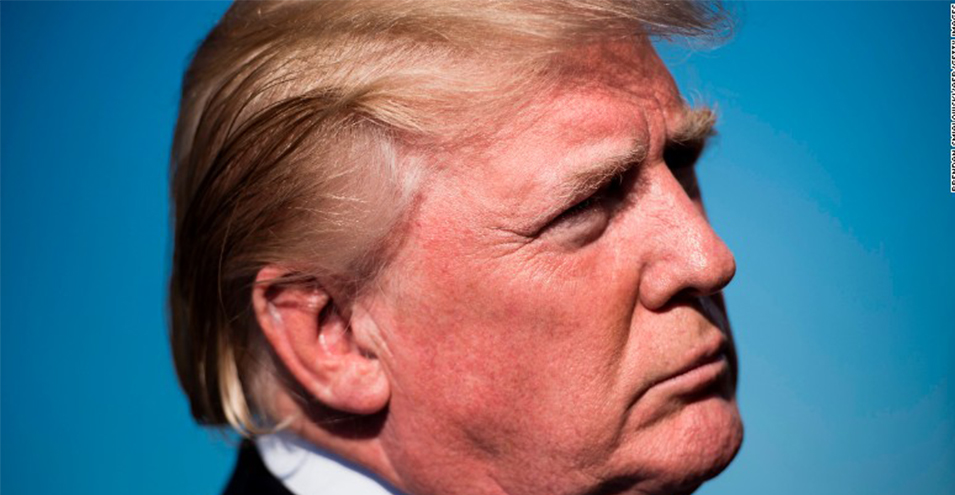
Donald Trump, the President of the United States, issued a new immigration order on Sunday evening, September 24 / Mehr 2, whereby the United States will no longer accept immigrants and visitors from Iran. According to this order, the only visas that will be issued to Iranians for entry into American soil are student, educational, and research visas, and even these within stricter limitations.
The limitations in Trump’s new order include Iran, Chad, Somalia, Libya, Syria, and Yemen. North Korea and Venezuela have also been added to the list. Regarding Venezuela, however, the visa issuance ban only applies to government officials and their family members.
Trump stated that the lack of cooperation from these countries in exchanging information about their citizens has resulted in greater security threats from citizens of these countries.
This is Trump’s third immigration order to restrict and ban U.S. visa issuance to citizens of these countries. Previously, Trump’s first and second orders faced legal challenges at the state level. Currently, complaints from several organizations, states, and immigrant groups have taken the second order to the U.S. Supreme Court for review.
The difference between this immigration order and previous ones is that each country has its own specific list of limitations. The conditions for issuing visas to Iraq, for example, have fewer restrictions compared to other countries.
The order states that Sudan has been removed from the complete visa issuance ban due to that country’s cooperation with the United States in exchanging information about visa applicants.
Trump’s third immigration order will take effect as of October 18, 2017.
What Does the Order Say About Iranians?
As of October 18, 2017, entry of all Iranians to American soil through immigrant visas and visitor visas will be banned indefinitely.
Trump explains this order by saying: “As President, I must take action to protect the security and interests of the United States and its people.”
Unlike the previous order, the duration of the ban on immigrant and non-immigrant visas for Iranians is not temporary; Trump’s decree has no time limit. The order states that as long as the Iranian government does not cooperate with the United States in information exchange, the visa issuance ban for Iranian citizens will be permanent.
However, Iranians will still be able to apply for student and educational visas of types “M” and “F”. Additionally, specialized Iranians who have applied for “J-1” visas will continue to receive visas. Although Iranian applicants for student visas will be subject to increased screening.
The limitations regarding Iranian refugees and their entry into America are not addressed separately in this order, meaning the ban from the second immigration order remains in effect.
Trump’s third immigration order, like the second order, cannot prevent entry to those who have previously legally obtained visas for extended work periods, education, or other long-term activities and who have been admitted to the United States. It will also not apply to those applying for visas to visit their immediate family members and that immediate family (for example, spouse, child, or parents) are U.S. citizens, permanent residents, or legal residents, or are legally present in America with a visa.
Why a New Order?
The previous order was temporary and its period was coming to an end.
Trump’s previous immigration order proposed a 90-day review period during which the Trump cabinet would examine whether the seven listed countries were cooperating with American officials in security measures to prevent terrorists from entering. Among the proposals of Trump’s first and second immigration orders was information exchange with countries regarding applicants for tourist, work, or educational visas, whereby countries would have to answer questions from American immigration authorities.
According to Trump, the U.S. Department of Homeland Security assessed the conditions for information sharing from the countries listed in the third order and reported to the U.S. President. The President issued the third order because the “identity management protocols” and “information-sharing practices” of these countries were not compatible with or were unsuitable according to American authorities’ standards.
The Iranian government, because it has not cooperated with the United States government in identifying security threats, faces visa issuance bans for both the entry of Iranian immigrants and non-immigrants.
What Will Happen to the Immigration Order Status in the Supreme Court?
It is still unclear what the status of the previous immigration order in the Supreme Court will be given the issuance of the new order. Additionally, no news about legal challenges to the October 24 immigration order has been released yet. However, it is assumed that this order will also be challenged like the previous one.
If the new presidential order is subject to legal challenge, it will go through legal proceedings and will be reviewed by the U.S. Supreme Court.
However, until that time, the text of the new order will have a significant impact on ongoing legal challenges in the Supreme Court.
The U.S. Supreme Court is scheduled to hear legal arguments from the lawyers of the President and the legal team of several states that have filed complaints against the previous immigration order on October 10, 2017. Therefore, the text of the new order will likely be presented to the Supreme Court on October 10.
Source: Radio Zamaneh