Prisoner Dervishes on hunger strike to protest the status of the head of the Gonabadi Dervishes
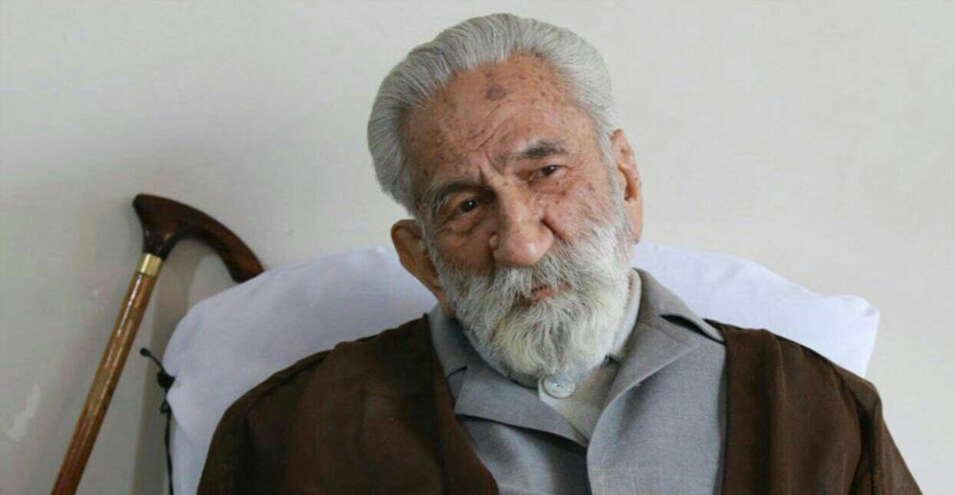
Following the refusal of Noor Ali Tabandeh, the head of the Gonabadi Dervishes, to eat, a number of imprisoned dervishes have gone on a hunger strike.
Alireza Roshan, one of the managers of the Majzooban Noor news website, told VOA on Monday, November 4, that 71 imprisoned Gonabadi dervishes, along with a number of dervishes outside prison, have been on a hunger strike since Sunday, November 3, in protest of the current situation of the dervishes and following the refusal of Noor Ali Tabandeh, the head of the Gonabadi dervishes, to eat food and medicine.
68 imprisoned male dervishes, including Kasra Nouri, Mohammad Sharifi-Moghaddam, and Saeed Durandish in Fashafoyeh Prison, and three imprisoned female dervishes, Sepideh Moradi, Shokofeh Yadolahi, and Sima Entesari in Evin Prison, are among those who have gone on hunger strike.
Currently, there is no exact number of dervishes who went on strike outside prison, but it is said that a group of them are the families of imprisoned dervishes.
According to this Gonabadi Dervish rights activist, Noor Ali Tabandeh, the head of the Gonabadi Dervish lineage, has been refusing to eat food and medicine since Thursday, November 29, in support of the imprisoned Dervishes and in protest of their treatment in prisons, and has been demanding the release of the Dervishes from Iranian prisons.
On the other hand, the imprisoned dervishes have also begun their strike and have called on Mr. Tabandeh to end his hunger strike. Their demands include removing the security watch on the Gonabadi dervish, opening the Amir Soleimani Husseiniyeh in Tehran, and lifting restrictions on Mr. Noorali Tabandeh from freely meeting his friends.
According to Alireza Roshan, the dervishes are currently not allowed to meet with Mr. Tabandeh, and although a number of dervishes have been able to meet with him to date, these visits have been accompanied by strict security measures. For this reason, the imprisoned dervishes have announced that they will continue their hunger strike until these restrictions are lifted.
On February 4, 2017, following the widespread presence of security forces and plainclothes in Golestan 7, in front of the house of Noor Ali Tabandeh, head of the Gonabadi Dervish Order, a series of clashes occurred between security forces and the special unit with the Gonabadi Dervish Order present in Golestan 7, as a result of which several police officers and Basij members were killed, and hundreds of Gonabadi Dervish Order were severely beaten and arrested.
Following these clashes, 202 Gonabadi dervishes were imprisoned and sentenced to a total of more than 1,080 years in prison.
Mohammad Salas was one of the Gonabadi dervishes who was arrested on charges of murdering police officers in these clashes and executed at dawn on June 19.
The US Secretary of State called the execution of this Gonabadi dervish "cruel and unjust" and said that the Iranian people deserve respect for human rights and freedom.
The United States has also repeatedly condemned the Islamic Republic's regime's repression of followers of religious minorities, including Dervishes, Baha'is, Christian converts, and even Sunni Muslims.
Source: Voice of America