Marginalization: A report on children deprived of education in the Khavarshahr neighborhood
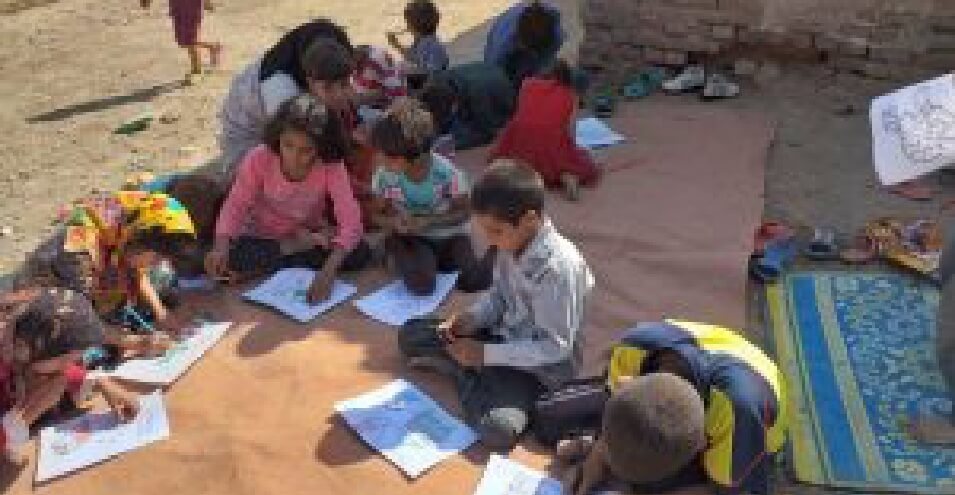
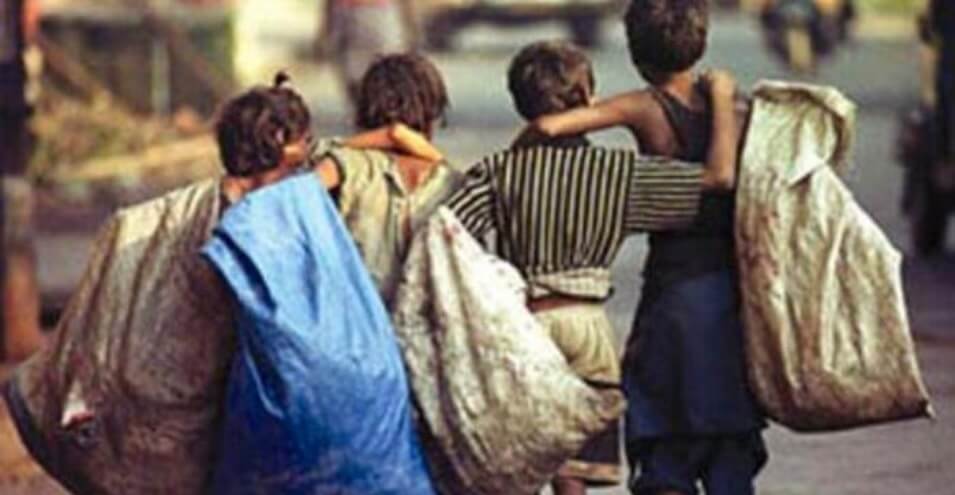
Children in the Khavarshahr neighborhood, a peripheral area of Tehran, live in an inadequate situation due to the lack of educational and welfare facilities. Many of them do not have the opportunity to use the cyberspace platform and have been deprived of education following the start of the coronavirus pandemic and the closure of schools. Most of these children are forced to do hard work such as collecting waste and bricks at a young age to make ends meet. Also, early marriage of these children due to poverty and social problems is another problem in this area. The inattention of the authorities and their failure to address the problems and hardships of these neighborhoods, along with poverty, economic problems and lack of health facilities, are the main concerns of the people of the Khavar Shahr neighborhood, and among them, children are the main victims of this recklessness.
According to HRANA News Agency, citing ILNA, children in the Khavar neighborhood of Tehran are deprived of education due to the lack of educational facilities and the deprivation of smartphones and tablets.
According to residents of these areas, their children dropped out of school after the coronavirus outbreak and started collecting waste. Severe economic poverty has deprived them of their most obvious right, education, to the point that some of these children do not even know that they have to study virtually and think that school and homework are closed for the time being.
Sudabeh is a resident of this area. She has two daughters, ages 7 and 8, who are both students.
He says, "None of the children living in this area have cell phones, and some of the children's teachers have told them to come to school in person, but my wife did not allow my daughters to go to school because of the coronavirus, because if they get the coronavirus, we will not be able to afford their treatment."
He continues: “We don’t have an Android phone to contact our children’s teachers, there are no good facilities or conditions here to help the children. I am 39 years old, illiterate, I can’t help my children with their studies. In order to help my children with their studies, I have to go to the neighbors to teach them, but sometimes they don’t let us into their homes either.”
“Not everyone here has a TV,” says Sawadbe. “Those who do have one don’t watch the TV school at all, because this channel is cut off on our TV.”
Somayeh is another middle-aged woman who lives in one room with her children and grandchildren. She says of their educational situation: “We only had a tablet, which the children broke out of mischief.”
Muhaddesa is in the sixth grade of elementary school. She is the oldest of all the children. The tablet that was broken by the children's mischief belonged to her. Muhaddesa used this tablet to study and help other children.
Sohail, a student who missed out on education due to the coronavirus outbreak, the closure of schools in the area, and the lack of a mobile phone, says about his situation: "I am in the second grade of elementary school. Since the start of the coronavirus, I only go to school on Mondays and spend the rest of the day collecting waste. Now that schools are closed, we will go to school when it reopens."
Elham, another resident of these houses, has an Android phone that his two children use. He says about the educational situation of the children in this area: "We do not insist on education to bring a tablet or phone for each student, but if they bring a tablet for each family so that two or three people can study with one tablet, it would be enough."
According to these people, the internet in Khavarshahr does not have proper antenna coverage, which has caused more problems for students in this area. Although most students here do not have Android phones, the few who do have them cannot use virtual education much due to low speed and poor antenna coverage.
Elham continues: “Here, the internet doesn’t have an antenna at all. We pay more than 20,000 Tomans for an internet package every time, and even that only allows us to use Shad for two weeks.”
Another problem in this area is frequent power outages. According to residents, the power goes out for two to three hours a day.
Elham says: “They don't have electricity to charge their phones, which causes problems during children's online education and angers their teachers.
He continues: “Teachers don’t think about the fact that maybe our children don’t have internet, maybe their father doesn’t have any money to buy them a phone and internet package. They say it’s none of our business, they have to be present in the virtual classroom. If we don’t do this, they deduct from the children’s grades or they say your child has to come to school and we are not responsible for them.”
Elham says: "Here, the people have no bread to eat, let alone mobile phones, and their fathers have no work, so the children have to collect waste, but it's a shame that these children become child laborers and waste collectors."
Residents of this area say that fathers here send their children to work, and girls are forced to get married when they reach the age of 15.
Amir Mohammad is a fifth-grade student whose father sends him to work at a bakery. “I used to study on TV, but now our TV screen doesn’t show any pictures. We don’t have the school TV network to watch the programs,” he says.
Mohsen is in the fourth grade of elementary school. He says, "I put my lessons aside for later, and I don't work because there is no work. When I had work, I used to earn money collecting waste, but now I can't do the same thing."
According to the slum dwellers of Khavarshahr, some children in this area work until night just to bring warm bread for lunch and dinner. Some parents even send their children to collect bricks so that they can use the money they earn to buy bread.
Source: HRANA