Secretary of the Rice Importers Association: Only 15 million Iranians can afford to buy rice
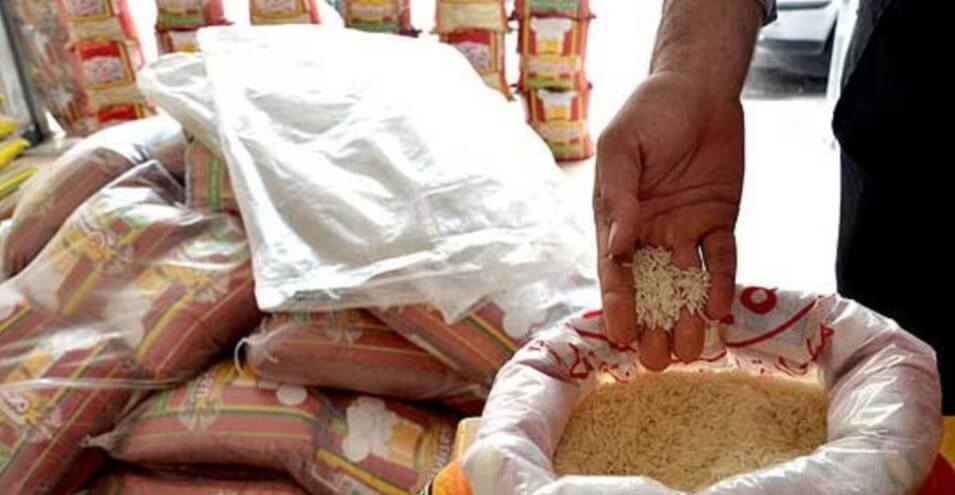
The secretary of the Rice Importers Association says that only 15 million people in Iran, who "live from hand to mouth," have the conditions and means to purchase rice.
In an interview with Hamshahri newspaper on Monday, May 4, Masih Keshavarz also reported a significant drop in rice imports.
Recently, ISNA news agency reported that the price of imported rice has increased by 150 percent at the beginning of this year compared to the same period last year; in other words, it has increased two and a half times. The report says that the price of a kilo of Iranian rice has exceeded 42,000 tomans, while foreign rice has also exceeded 30,000 tomans.
Mr. Keshavarz says that the increase in the price of rice has allowed "up to 15 million people who can reach their mouths to consume this nutritious product."
Referring to the significant increase in the price of imported rice, he said that importing Indian rice is not economically justified because the final price of Indian rice in the market has become very close to Iranian rice and many consumers of Indian rice can no longer afford to buy it at current prices.
He stated that the amount of rice imported last year was 870,000 tons and said that rice imports have been halved compared to 2019.
Of course, customs statistics show that rice imports last year were slightly more than one million tons worth about $925 million, placing it in the second place among major imported goods. However, this figure also shows a 40 percent drop in rice imports last year compared to 2019.
Regarding the reason for the significant drop in rice imports, Mr. Keshavarz said that demand for imports has decreased sharply due to "currency payment problems and the high value of the dollar."
Reuters also reported last March that due to the decline in Iran's rupee reserves, Indian companies and businessmen are unwilling to sign new contracts with Iran for the export of food products such as sugar, rice, and tea.
Statistics from the Indian Ministry of Economy for the first two months of this year also show that the country's total exports to Iran have decreased by about 60% compared to the same period in 2020, reaching $202 million.
Mr. Keshavarz said that rice is the country's second most strategic commodity after wheat, and as rice becomes more expensive, households are turning to bread: "If bread also becomes more expensive, there is a risk of malnutrition for a large part of society."
He says the country is facing "serious" currency problems.
Source: Radio Farda