20 human rights organizations call on Iran to immediately release female political prisoners
Twenty international and Iranian human rights organizations have called on Iranian authorities to immediately release female political prisoners in an open letter. The letter names 50 female political prisoners held in Tehran and other cities.
The Raoul Wallenberg Center for Human Rights has called for the immediate release of Iranian female prisoners in an open letter signed by 20 international human rights organizations. The letter was also signed by the Vice-President of the European Parliament on behalf of the Association of European Parliament Sakharov Prize Laureates.
The letter refers to the high number of people infected and dead from the coronavirus in Iran, as well as the warning of experts from Sharif University of Technology who stated that the actual number of coronavirus cases in Iran could be three and a half times the official figure.
The authors of this letter wrote that despite the current deplorable situation in Iran, the Iranian regime has reopened businesses and resumed public transportation since last week, which, according to the authors of this letter, could lead to a new wave of the coronavirus outbreak.
"The situation in Iranian prisons is much worse," and as stated in this open letter, in February the UN published a report on the unsanitary conditions of Iranian prisons and the overcrowding of prisoners; a situation that can lead to the rapid spread of infectious diseases, and now, since early March, Corona has also been added to this list.
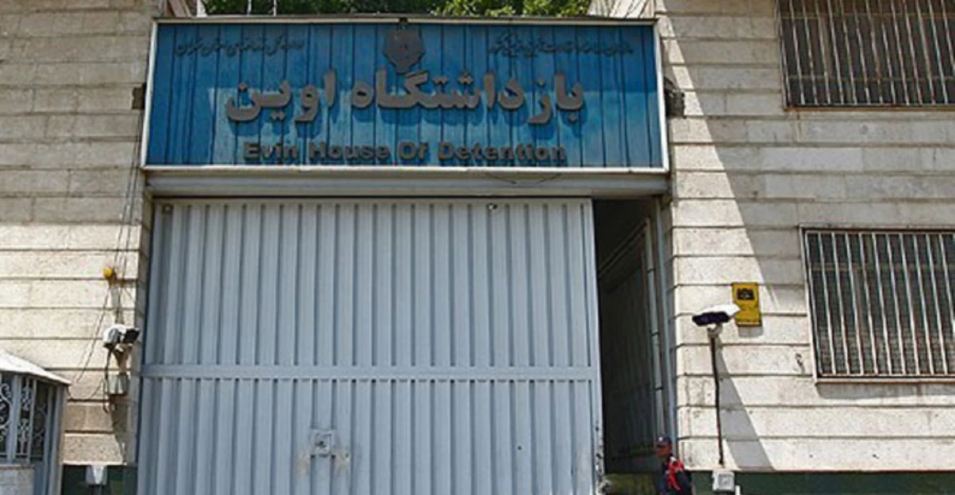
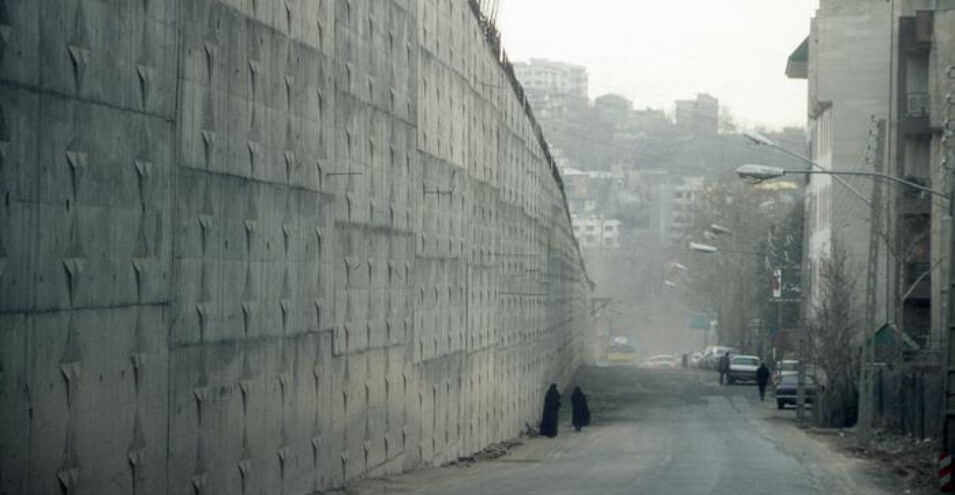
This open letter refers to the inadequate and unsanitary conditions of the women's prison and the fact that more women are being held there than the prison's capacity allows.
According to the authors of the letter, there are 18 female prisoners in each room of the women's prison, who perform all of their daily tasks, such as sitting, sleeping, eating, and drinking, in the same room, with very little space between them.
These women also do not have access to medical supplies and medicines, and patients are denied access to medicines. The authors of the letter have considered this practice to be an example of torture. Some of these prisoners have also gone on a hunger strike to protest this situation.
According to published reports, at least 10 prisoners in Iran have died from COVID-19 so far. Although the authors of the letter emphasize that they cannot confirm this figure because independent researchers do not have access to Iranian prisons.
The Islamic Republic authorities have announced that they have released tens of thousands of prisoners through leave or amnesty, however the authors of this letter say they cannot confirm this figure. Furthermore, hundreds of political prisoners have not been included in this release.
“This is part of a policy that appears to be designed to further torture political prisoners by keeping them in dangerous prison conditions,” the letter states.
The authors of this open letter wrote in their conclusion: "We therefore call on governments, NGOs, journalists, the United Nations and other international institutions to increase pressure on the Iranian authorities to demand the immediate release of the known prisoners whose names appear at the end of this letter, as well as other political prisoners, in order to save their lives."
The authors of the letter emphasize that the women named in the letter are well-known human rights defenders, lawyers, writers, artists, and environmental activists, some of whom have received the longest and harshest sentences in Iranian history. The list includes both Iranian prisoners and dual nationals.
Nasrin Sotoudeh, Narges Mohammadi, Niloufar Bayani, Sepideh Kashani, Atena Daemi, Fariba Adelkhah, Zeinab Jalalian, and Golrokh Iraei are among the 50 prisoners whose names appear on this list.
This open letter has been signed by several Iranian human rights organizations, including the Abdolrahman Boroumand Foundation, the Center for Human Rights Defenders, the Iranian Center for Human Rights, and the International Federation of Human Rights Societies.
Source: DW