Iranian "Thirteen Badr" in the Shadow of Corona Bans and Foreign Pilgrims in Qom
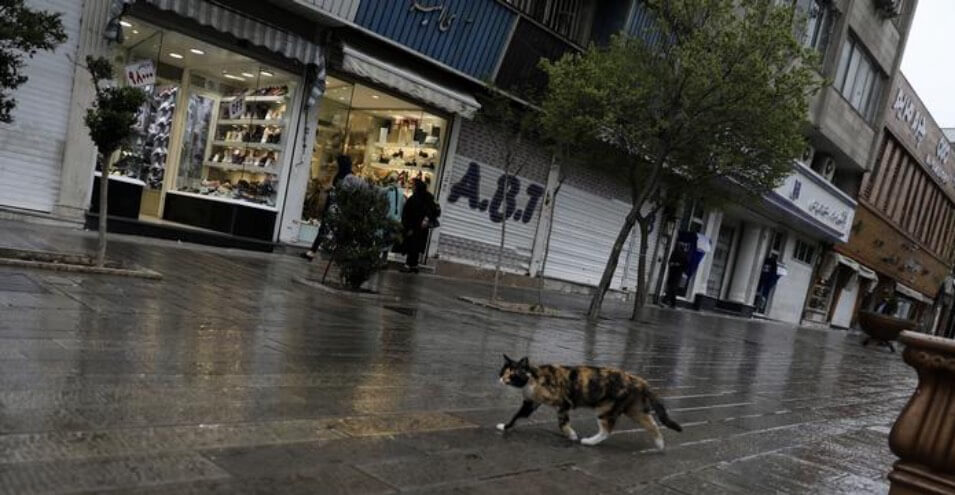
On the eve of April 3, the Ministry of Health announced a “decline in the number of COVID-19 cases and an increase in confirmed cases.” At the same time as the restrictions were extended, a member of parliament criticized the lack of coordination among officials, saying that foreign pilgrims were still in the city of Qom.
More than two months have passed since the start of the coronavirus and the spread of COVID-19 in Iran. The Iranian government has been accused of not only being late in identifying the coronavirus, but also failing to properly manage the fight against the disease and adopt the right policies to organize the public and reduce human losses, and not being adequately prepared.
Health Ministry officials have simultaneously reported a decline in the number of COVID-19 cases and an increase in the number of confirmed cases in the country. In this mix of fear and hope, the Iranian government has extended restrictions and bans until April 10. At the same time, the death toll from the disease is rising, and it has been reported that non-Iranian pilgrims are still traveling in the city of Qom and are not being treated.
Increase in the number of confirmed cases
On Tuesday, April 2, Deputy Minister of Health Qasem Janbabaei announced that the number of confirmed cases of COVID-19 in the country was increasing, while simultaneously announcing that the number of confirmed cases had "declined very slightly."
The downward trend announced by this Ministry of Health official is only in terms of "the rate of visits, hospitalizations, and deaths," and at the same time, the number of people whose diagnostic test results are positive is increasing every day.
According to the Ministry of Health, from yesterday afternoon to Tuesday, April 12, noon, and according to the "definitive diagnostic criteria", 3,111 new patients with COVID-19 were identified in Iran, bringing the total number of infected cases to 44,606. Also, 3,703 of these patients are in severe condition. In the past 24 hours, 141 infected patients have died, bringing the total number of victims in the country to 2,898.
The World Health Organization's representative to Iran said after returning from the country that the number of people infected with the disease in Iran is higher than the official figures.
“One-stop decisions”
On Tuesday, April 12, Iranian President Hassan Rouhani announced at a meeting of the National Headquarters for Managing and Combating Corona that the restrictions would be extended until April 10.
These restrictions include maintaining social distancing during essential travel, not being in parks, limiting unnecessary travel within and outside the city, and prohibiting the entry and exit of vehicles in metropolitan cities such as Tehran.
According to Iranian media reports, Rouhani also announced that a decision will be made in the next few days regarding the conditions for the beginning of the reopening and activities of offices and economic businesses in the provinces.
Despite these government bans and warnings from the Ministry of Health to comply with regulations, Aziz Akbarian, a representative of Alborz Province in the parliament, told ILNA news agency on Tuesday, April 12: "Unfortunately, we do not have a single decision-making body in the fight against the coronavirus outbreak. The head of the Tehran Coronavirus Command Headquarters announces that no one should leave their homes on Monday and Tuesday, but the governor says only parks and gardens are closed; well, with these decisions, one roof and two airs, it is not possible to fight the disease."
As the COVID-19 pandemic spread, Iranian officials urged people to stay home and avoid Nowruz travel to prevent the spread of the virus to other cities. However, the first wave of Nowruz travel has taken place, and the Ministry of Health is now concerned about an increase in cases and deaths from the disease.
Traffic of foreign pilgrims in the city of Qom
Akbarian, meanwhile, reported on the neglect in the city of Qom and the free movement of foreign pilgrims. He told ILNA: "Today, foreign pilgrims are still coming and going in the city of Qom! We need to think about this issue because fighting a disease like Corona is no joke."
Like some other members of parliament and a number of local officials in Qom, he criticized the city's failure to quarantine, saying that if Qom had been quarantined from day one and cars had not been allowed to leave the city, the coronavirus would not have spread.
Qom is the first city in Iran to report cases and deaths from the coronavirus. The Ministry of Health claims that on February 19, 2020, upon receiving the first reports of two deaths from an unknown coronavirus in Qom, it succeeded in identifying and registering the virus.
Earlier, Ahmad Amirabadi Farahani, a member of parliament from Qom, told local media that the coronavirus had been detected in Qom since early February. He even announced the death toll at nearly 50, all within two weeks.
The Ministry of Health has not yet announced detailed statistics on COVID-19 cases and deaths in the cities of Tehran, Qom, and Gilan. Some members of parliament claim that this is because the actual death toll is high.
The Ministry of Health has said that it expects to see some changes in the provinces in the coming days. This concern will peak on the 13th of Farvardin. Officials have asked people to stay at home on “Sizdah Badr” to prevent the transmission and spread of the coronavirus to others and the infection of Covid-19. You can also tie a sabzeh at home.
Source: DW