The flames of war between Iran and Israel flare up again.
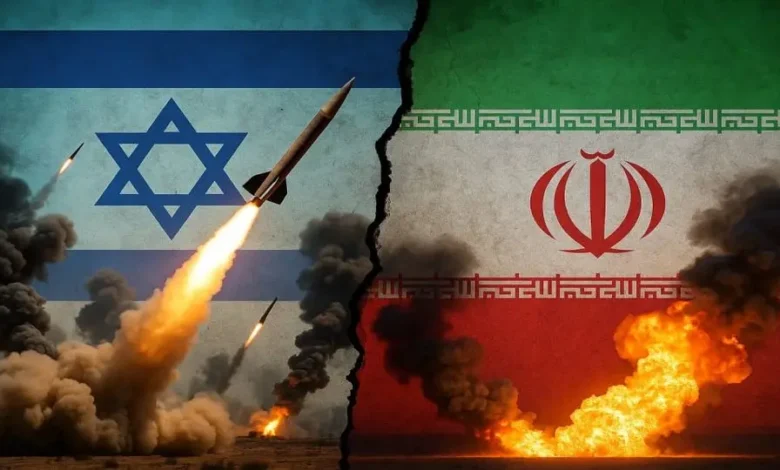
The tense atmosphere, mutual threats, and preparations for a new conflict signal the rekindling of the Iran-Israel war.
More than a month after the end of the 12-day military conflict between Iran and Israel, there are worrying signs that a second round of hostilities is about to begin. From Tel Aviv to Tehran, reports of military movements, sharper stances and increased intelligence activity are emerging. Many analysts believe that if this trend continues, a renewed military confrontation between the two countries is no longer a distant possibility.
In this regard, the France 24 network, in an analytical report, addressed the hidden dimensions of the damage inflicted on Israel during this war. Despite media restrictions in Israel, the report reported the identification of 36 Iranian missile impact points on the country's territory, a point that had not been confirmed by Israeli officials until now.
At the same time, a senior Israeli military official told the French newspaper Express: "Iranian missiles have only hit hundreds of meters from my office in one case. These attacks show that if Iran becomes a persistent threat, we must act before we become victims."
Some analysts see such statements by Israeli officials as a sign of Tel Aviv's determination to prepare for a preemptive strike. Advisers to the Israeli prime minister have stated bluntly that avoiding an attack would mean "political and military suicide" for their country.
Meanwhile, officials in the Islamic Republic have not been idle either. Iran has repeatedly threatened to resume uranium enrichment since the end of the recent war, and a senior Foreign Ministry official has also stated that attacks on Iran's nuclear facilities are "a clear violation of international law" and will not go unanswered.
On the other hand, US President Donald Trump, in his latest statements, announced that his actions had prevented a full-scale war in the Middle East. He warned that any resumption of nuclear activities by Tehran would be met with an immediate response from Washington.
Also, according to Pentagon analysis, the Israeli and American attacks on Iran's nuclear facilities have set back the country's nuclear program for several months. This delay, however, has led hard-line factions in Israel to call for a "completion of the blow" and to accelerate the decision-making process for the next step.
Iran's missile capabilities have also become a major concern in Tel Aviv. Despite the success of the Iron Dome defense system in intercepting about 90 percent of the missiles, those that do get through have caused significant damage. An Israeli military official has claimed that Iran has fired more than 500 ballistic missiles at Israel during the short war and has plans to fire thousands more.
Meanwhile, a wave of mysterious explosions in Iran has severely affected the security environment in the country. Officials have refused to say what caused the explosions, but some Iranian sources have raised the possibility of "direct Israeli intervention" in these incidents.
Simultaneously with these developments, the head of Mossad also confirmed, in a rare statement, the presence of Israeli intelligence forces on Iranian soil and announced that this presence will continue.
The Islamic Republic’s response to these actions has been a massive security purge within the country. This has led to mass arrests, summary trials, and a significant increase in executions. While Netanyahu has announced that he will wait 60 days to assess the situation, the atmosphere in the region is dangerously moving towards another full-scale conflict. Evidence on the ground, statements from officials on both sides, and continued hidden tensions suggest that the fire beneath the ashes could flare up at any moment.