50 MPs' plan to redefine political crimes and prevent "security profiling"
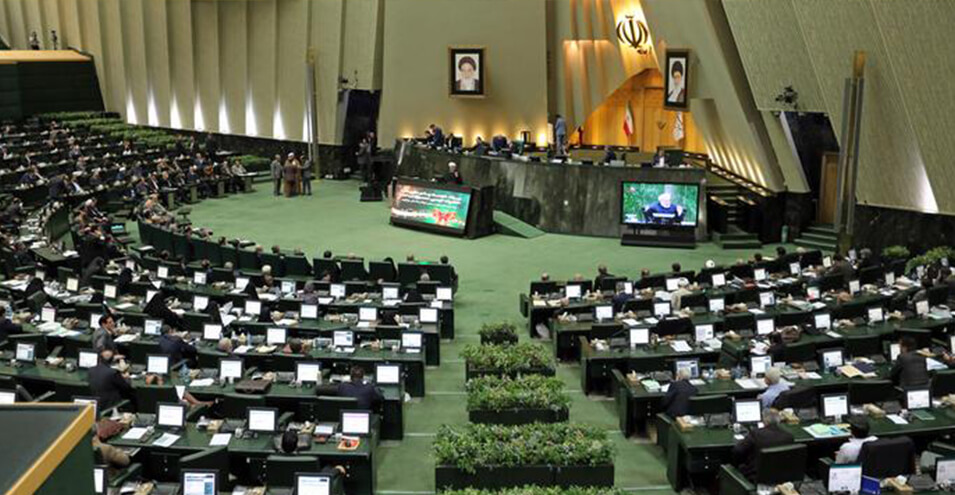
A group of parliamentarians have prepared a bill that, if passed, would redefine political crimes with new criteria and grant political defendants greater rights. The deputies hope that this measure will prevent “security case-making.”
The new bill, known as the "Amendment to the Political Crimes Law," was submitted to the presidium of the Islamic Consultative Assembly last Sunday, January 27, and its drafters called for "framework" for the definition of political crimes with the aim of "countering" political case-making, providing political defendants with a "chosen lawyer" from the first hours of arrest, and "reducing the time of temporary detention" for political defendants.
In this amendment, it is deemed necessary to "implement" changes and amendments to Articles 1, 4, and 6 of the Political Crimes Law, which was approved by the representatives in the last months of the Ninth Parliament's activity (February 2015).
New rights for those accused of political crimes
The most important goal of the amendment to the Political Crimes Law, which was submitted to the Presidium of the Parliament with the signatures of nearly 50 representatives, is to provide a framework definition of political crimes and "close the door to those who frame cases."
Behrouz Nemati, spokesman for the presidium of the parliament, told the Tehran-based Hamshahri newspaper that having a lawyer of choice, not a command, for political detainees and political party activists from the moment of arrest, converting all hearings of defendants and political detainees into hearings with a jury, and also reducing the period of temporary detention to a maximum of one month are among the most important reforms sought in the representatives' plan.
He considered the plan "an effective and forward-looking measure on the 40th anniversary of the revolution," which he believes shows that "we recognize the legal status of various political figures and fairly judge their actions."
Article 1 of the Political Crimes Law: The political crime of insulting or defaming the heads of the three branches of government, the head of the Expediency Discernment Council, vice presidents, ministers, members of the Islamic Consultative Assembly, members of the Assembly of Experts, and members of the Guardian Council, insulting the head or political representative of a foreign country, crimes stipulated in the Party Activities Law, crimes stipulated in election laws, and spreading lies are considered political crimes if they are committed with the motive of reforming the country's affairs against the country's management and political institutions or domestic or foreign policies without the perpetrator having the intention of harming the system.
Fighting against security dossiers
The amendment to the Political Crimes Law has been submitted to the Presidium of the Parliament while some of its signatories consider the shortcomings in the definition of political crimes to be the cause of shortcomings in the criminal trial process and, as a result, "lack of attention" by the judicial authorities.
Alireza Rahimi, a member of the Presidium of the Parliament and a member of the Omid faction, has considered a precise definition of a political crime and reforming its "titles" as a way to confront political case-making: "For example, the accusation of disturbing public opinion is an issue that can be considered a public crime and should not necessarily be considered a political or security crime. In some titles, such as espionage or overthrowing the system, although they are security-related, they cannot be defined as a political crime simply because they are security-related."
Currently, a large number of ideological and political prisoners and a group of journalists, civil activists, and human rights lawyers in Iran are serving sentences on charges of disturbing public opinion and propagandizing against the regime.
Amnesty International recently released a report saying that Iranian government authorities launched a "brazen" campaign of suppressing protests and arresting thousands of protesters in 2018, following a wave of nationwide protests against poverty, corruption, and authoritarianism in Iran.
Amnesty International released this report on January 24, 2019, revealing a "new face" of the extent of repression by Iranian authorities.
Realization of civil and social rights
The designers of the political crime amendment have said that recognizing citizenship rights, respecting the rights of the accused, and combating the creation of security cases are of concern to them, and that these issues should not deprive the accused of their social rights.
A new report by Amnesty International highlights the intensification of racial discrimination and exclusion of religious and ethnic minorities in Iran, emphasizing that Iranian authorities have arrested and imprisoned hundreds of religious and ethnic minority citizens, depriving them of education, employment, and other services.
Amendment 50 of the parliamentarians states that a distinction should be made between public and security crimes so that "not every crime can be added to the category of political crimes. Security crimes should not be defined within political crimes so that they take on a security aspect."
Article 6 of the Political Crimes Law provides for the right to visit and correspond with first-degree relatives during the period of imprisonment, and the right to access books, publications, radio, and television during the period of imprisonment.
The drafters of the amendment to the Political Crimes Law did not provide any explanations about their proposed and amended provisions and how these amendments would be implemented.
Amnesty International has called the arrest of more than 7,000 protesters, including students, journalists, media and environmental activists, workers and human rights defenders, lawyers and women's rights defenders, minority rights activists, and trade unionists, a shameless campaign by the Islamic Republic of Iran in 2018.
Source: DW