Araqchi: If negotiations fail, we will withdraw from the JCPOA
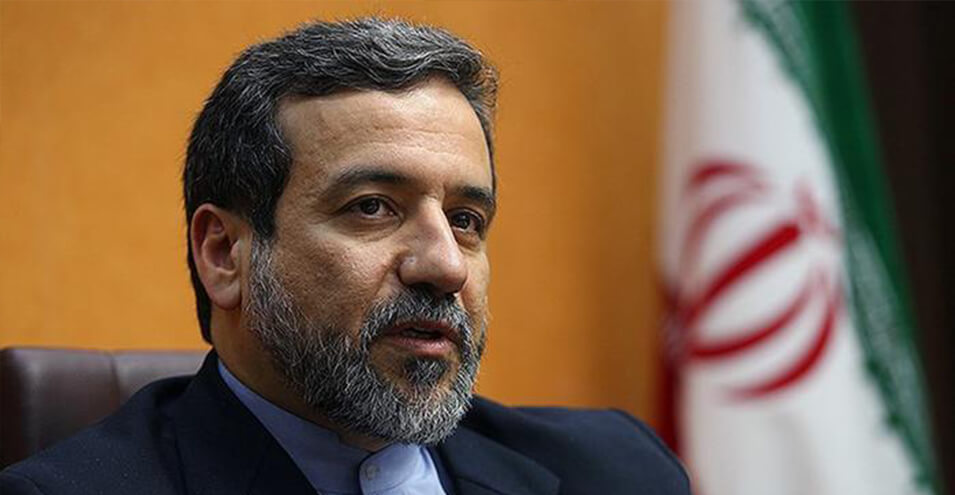
Abbas Araqchi says that Iran will negotiate with the European side for several weeks to preserve the nuclear agreement, and if negotiations with Europe do not reach a conclusion during this period, Iran will withdraw from the JCPOA.
Iran’s Deputy Foreign Minister Abbas Araghchi expressed doubts about the outcome of what he called the “European JCPOA,” given the US withdrawal from the JCPOA and the expiration of the agreement signed by the P5+1 with Iran. However, he said that Iran would continue its negotiations with the European parties for a few weeks. The continuation of negotiations after these few weeks “depends on the regime’s decision and how well the negotiations progress.”
On Sunday evening, May 27, Araqchi said in a special news talk show on the Iranian Radio and Television's Channel 2 that two weeks have passed since the negotiations began, and if negotiations with the Europeans do not reach a conclusion in a few more weeks and Iran's demands are not met, the country will withdraw from the JCPOA.
He made it clear that with Iran's withdrawal from the nuclear deal (JCPOA), "everything will return to the way it was before, and restrictions on Iran's nuclear program will be lifted, and Europe's unilateral sanctions and the Security Council can be reinstated."
The head of the Iranian negotiating team in the Joint Commission of the JCPOA says that Europe has been asked to prepare an economic package that identifies practical solutions to meet Iran's demands in the JCPOA, and it must be made clear how they intend to compensate for the effects of US sanctions and the reinstatement of these sanctions.
Also, in the field of oil, gas sales, and banking issues, the Europeans should objectively tell Iran what guarantees they will give to ensure that Iran remains in the JCPOA and benefits from it. These guarantees should be such that Iran does not face "delays, delays, and procrastination."
Deputy Foreign Minister Mohammad Javad Zarif says that Europe faces two problems. The first problem is "political" and related to the strategic partnership with the United States, which makes it difficult for Europe to distance itself from the United States. The other problem is "technical" and relates to the independence of the capitalist system in Europe and the fact that it is the boards of directors of companies that will make the final decision on dealing with Iran.
Araghchi said that he is aware of Europe's seriousness in cooperating with Iran, but he is not confident in their ability, and given the dominance of the dollar financial system in the international arena, it remains to be seen whether they can create a euro mechanism for economic and financial exchanges.
He called the US withdrawal from the JCPOA a violation of Resolution 2231 and, in light of Ayatollah Khamenei’s conditions, said that Europe should take action in the Security Council in this regard. The Leader of the Islamic Republic has set conditions for the Europeans to preserve the JCPOA. Among other things, he called for “issuing a resolution against the US in the Security Council.”
US President Donald Trump, who had repeatedly called the Iran nuclear deal “bad,” finally withdrew from the deal, calling it “seriously flawed” and complaining that it failed to address Iran’s regional activities and missile program.
Despite criticism of the US's unilateral withdrawal from the JCPOA, Europe has also expressed its readiness for broader negotiations regarding Iran's regional actions and the country's missile program.
Emphasizing that Iran is not ready for these negotiations, Araghchi denied the news that was published about negotiations on missile issues and said: "We have only entered into negotiations on the Yemen issue with four countries: France, England, Germany, and Italy, for humanitarian reasons and the bad conditions of the Yemeni people, which are completely separate from the path of nuclear negotiations, and Mr. Jaberi Ansari is following up on these negotiations."
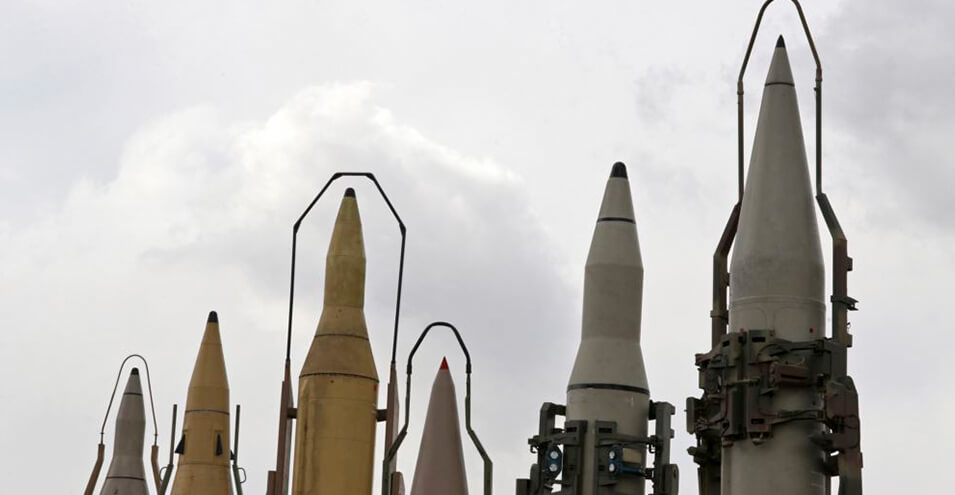
US Secretary of State Mike Pompeo, who has threatened Iran with the “strongest sanctions,” has demanded an end to Iran’s support for Yemen’s Houthis in exchange for sanctions relief. The US has also called for new talks that would include Iran’s missile program. But Araghchi says the missile issue is a red line for the Islamic Republic that it will not cross.
Abbas Araqchi emphasized that the JCPOA is also a political and security agreement, and its demise “will weaken the entire non-proliferation regime [of nuclear weapons] and, of course, will have security consequences for Europe.”
He also acknowledged that the JCPOA has brought economic benefits to Iran, that oil sales have increased, and that Iran's banking situation has come out of a deadlock, and that Iran will "find problems with the return of sanctions."
Source: DW