Christian citizen Laleh Saati denied access to medical facilities
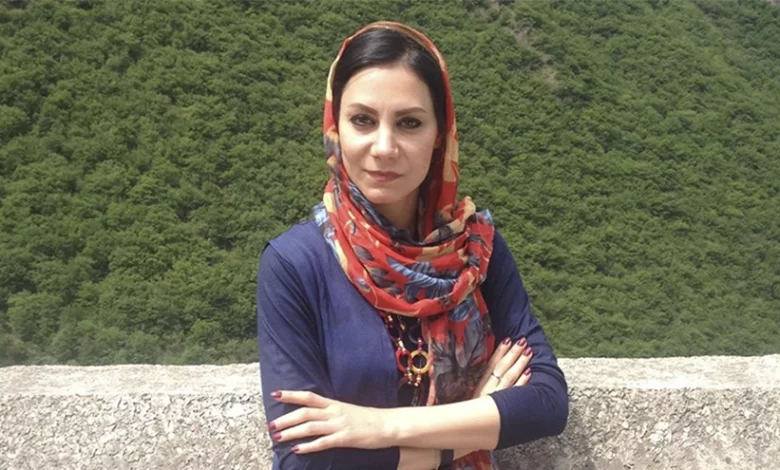
"Lale Saati", a Christian citizen imprisoned in Evin Prison, was denied access to medical facilities and specialized examinations.
Laleh Saati was arrested on February 14, 1402, when security agents raided her father's house in Tehran. On March 16, she was tried by Judge Iman Afshari, head of Branch 26 of the Tehran Revolutionary Court, on charges of "acting against national security" through religious activities and attending house churches after returning to Iran, and the contents of her mobile phone included a document and video of her baptism in Malaysia and images of her other activities in the Malaysian church. On April 26, she was sentenced to two years in prison and a two-year ban on leaving the country on charges of "acting against national security through contact with Zionist Christian organizations."
According to reports from the Human Rights Organization in Iran, Laleh Saati lived in Malaysia and returned to Iran in 2017 due to the lengthy process of processing her asylum case, the precarious economic situation, and the loneliness of her parents due to their old age. She was repeatedly pressured and extensively interrogated by security forces after returning to Iran.
Laleh Saati's mother, during her last visit to her daughter in prison, noticed her mental problems, and the reason for these problems was the opposition of the prosecutor - as a judicial officer - and the Ministry of Intelligence - as a security officer, to the release of this Christian citizen under judicial supervision. Given the circumstances, Ms. Saati needs to be sent to a medical center and undergo specialized neurological examinations.
Laleh Saati's mother went to Branch 26 of the Tehran Revolutionary Court to inquire about her daughter's situation and provided explanations regarding the legal status of her daughter's case to Judge Iman Afshari, requesting a reduction in her sentence or her release under judicial supervision. However, after being rejected by Judge Iman Afshari, her request was subject to approval by the prosecutor and the Ministry of Intelligence, after the final verdict was announced by the Tehran Provincial Court of Appeal.
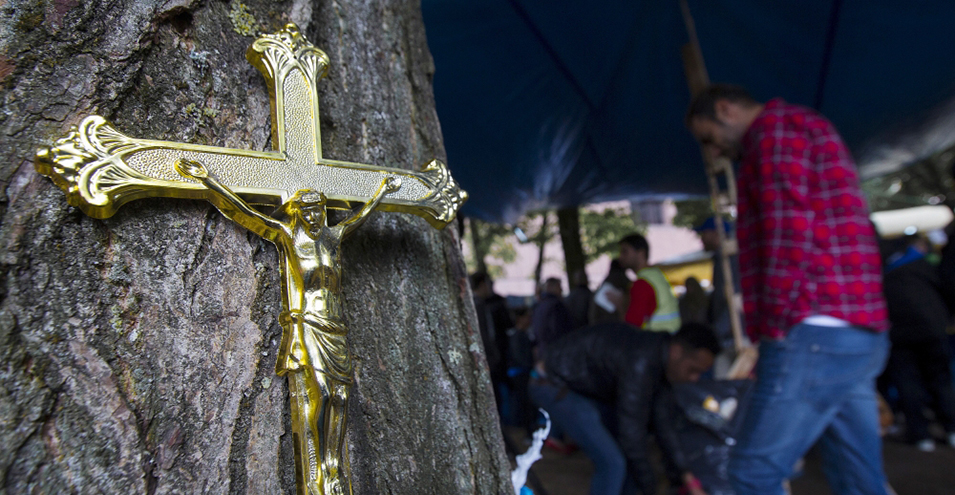
For decades, the Islamic Republic government has been imprisoning Christians on false charges, such as acting against national security or propagandizing against the system, without any credible evidence, and in many cases, torturing them.