"Women's opposition to discrimination is growing under the skin of Iranian society"
More than 200 women's activists and other civil society activists have issued a statement denouncing the "repression and hypocrisy" of Islamic Republic officials in confronting the inner movements of society and supporting the protest movements of women and other civil and political activists.
The title of the statement signed by more than 200 Iranian civil, political and cultural activists is “Let’s unite against the crime and repression of the government in Iran!” The statement was initiated by the death of Sahar Khodayari, the “Blue Girl,” who set herself on fire after facing the wrath of the judiciary for resisting a ban on women entering sports stadiums. The statement states that Sahar Khodayari’s death has opened an old wound, which includes “very severe arrests and sentences, torture and coercion to make strange confessions, flogging and setting high bails for civil activists, workers and teachers, closing associations and raiding gatherings.”
The authors of the statement went on to address the "horrific dimensions of repression and intimidation on the one hand, and hypocrisy and deception" in the Islamic Republic on the other.
The statement expressed a lack of confidence in Ebrahim Raisi, the current head of the judiciary, who was a member of the death squad for the summer of 2018 massacre, and said that he has now entered the scene under the banner of “fighting corruption” and talking about “reconsideration and fair hearings in some recent cases.” The statement refers to the case in which Ebrahim Raisi ordered a review of the sentences issued by Branch 28 of the Revolutionary Court on September 7, following increased criticism of the sentences totaling 110 years in prison for several civil and labor activists.
The statement noted that Ebrahim Raisi was in the judiciary for many years and its deputy head for ten years, and as a result, he himself participated in the corruption he wants to fight.
The signatories of the statement say: "Yesterday's partners have become rivals overnight. In the power struggle, they accuse each other, they drag each other down to seek to absolve themselves of responsibility for the crisis. They have resumed the game of "arbitrariness" to once again cover up the repression and structural corruption in the government system with "extremism", "deviation" and "individual abuse" through staging and deception."
According to them, the various reactions shown by the Islamic Republic officials to Sahar Khodayari's self-immolation are an example of a "shameless spectacle" that they have forced the public to watch. On the one hand, they threaten Sahar Khodayari's family, and on the other, they "enter the scene dressed as justice seekers."
According to the authors, the statement is a show they are performing for the public with the intention of distracting them from the reality that is going on in Iranian society, which is the spread of dissatisfaction and protests, confronting the oppression of women, questioning gender discrimination, and participating in banned areas, demanding a change in the law, civil disobedience, and challenging the political and cultural power structure.
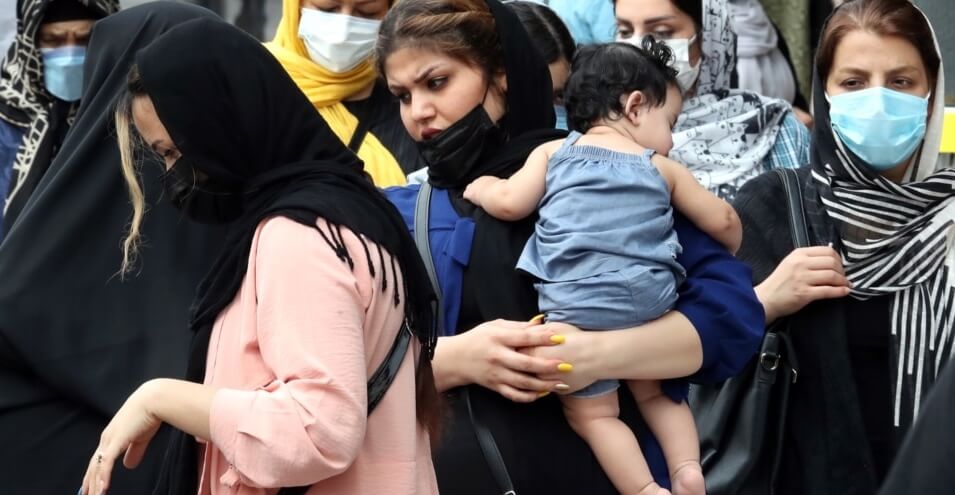
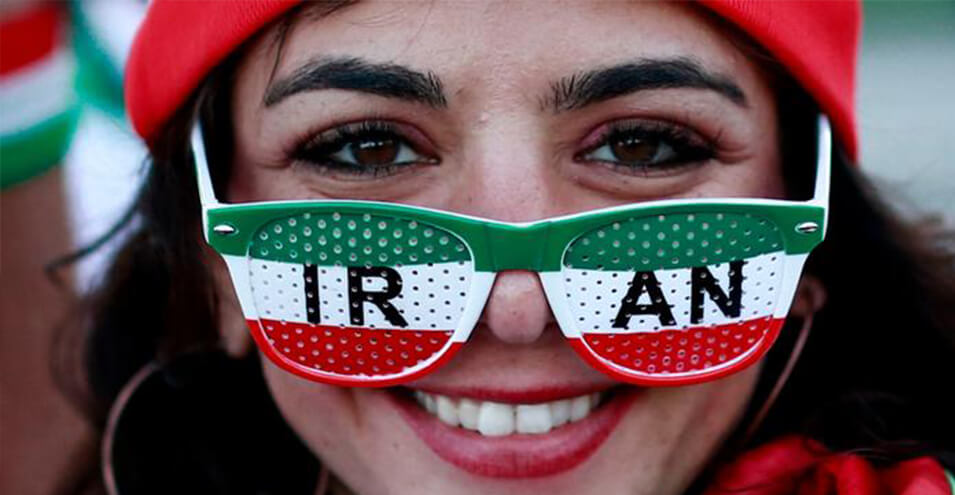
The statement above all emphasizes the protest movements of women and their standing at the forefront of civil protests: "Women have risen up to assert the right to equality by relying on their power and creativity. The girls of Inqelab Street have given speed and clarity to the rejection of the compulsory hijab. Women have violated the ban on women's solo singing by singing and even dancing in public places. Women continue their protest against the ban on entering the stadium, which they began years ago with protest meetings in front of the stadiums, by wearing disguises or in other forms."
We read further that women have also exposed torture, forced confessions, and other pressures on prisoners, and women and men have jointly issued a statement rejecting the structure of the theocracy.
The signatories of this statement include Mehrangiz Kar, Ahmad Karimi Hakak, Iraj Mosadaghi, Bahman Niroumand, Parastu Forouhar, Parvin Ardalan, Reza Allamehzadeh, Roqiyeh Daneshgari, Shirin Ebadi, Abdi Kalantari, Ladan Boroumand, Mahnaz Parakand, Nasser Pakdaman, Niloufar Bayzai, and Mihan Roosta. These are just a few of the names of long-standing and well-known civil society activists.
At the end of their statement, the signatories called for the abolition of executions and torture, the release of all political and trade union prisoners, the abolition of compulsory hijab and gender discrimination laws, and the dismantling of the mechanism of security persecution and intimidation and unfair trials.
Source: DW