Pompeo: Tehran is the greatest threat to peace and stability in the region; Iran's response

The US Secretary of State has accused the Iranian government for the umpteenth time of being "the greatest ongoing threat to peace and stability in the region."
In the past few hours, Trump administration officials have once again called for the extension of international restrictions against Tehran.
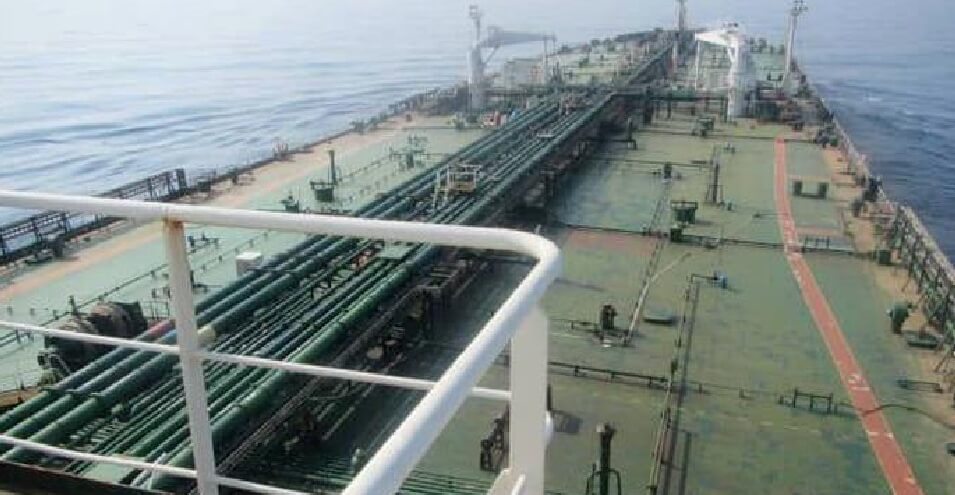
Mike Pompeo wrote on his Twitter account at the United Nations Security Council meeting, "I condemned the testing of advanced ballistic missile systems, support for proxy groups in the Middle East, and the unacceptable sabotage and seizure of commercial vessels in the [Persian] Gulf."
Mr. Pompeo is seeking an extension of UN Security Council Resolution 2231, which originally endorsed the nuclear deal between the Barack Obama administration, Iran and five other world powers. The Trump administration withdrew from it last spring over what it described as the “ineffectiveness” of the deal.
UN Security Council Resolution 2231 calls on countries around the world to observe various arms restrictions on Iran "for a period of five years," including the sale of tanks, heavy artillery, missile systems, and other military weapons.
These sanctions will end in 15 months.
US attempts to extend sanctions
The US State Department says that if Resolution 2231 is not extended, individuals like Qassem Soleimani, commander of the Quds Force, will be able to travel freely outside Iran and Tehran will be able to sell weapons to "terrorist proxy groups."
The Islamic Republic has denied the accusation of supporting terrorism.
According to Washington, countries such as Russia and China will also be able to sell Iran tanks, missiles and air defense systems, and this could start a "new arms race in the Middle East and lead to further instability in the region and the world."
At the August 19 Security Council meeting, Mike Pompeo called on the international community to prevent "Iran from being unleashed and creating new chaos."
He said, "The international community must see how much time is left until Iran frees itself from these restrictions and starts creating new chaos, and what can be done to prevent this from happening."
In addition to Pompeo, Brian Hook also warned on August 10 that the end of the UN arms and travel embargo against Iran in the fall of next year is a "threat" to peace and stability in West Asia.
Tehran's reaction
Majid Takht Ravanchi, Iran's ambassador to the United Nations, also accused the United States on Tuesday of creating instability and destroying security with its military presence in the region. He said, "This country's interference is also evident in almost all other conflicts in the region."
According to Mr. Takht Ravanchi, "In addition to the illegal US withdrawal from the JCPOA, another reason for the instability in the Middle East is the indiscriminate flow of American weapons into the region, which has turned it into a powder keg."
President Hassan Rouhani of the Islamic Republic has also called for the United States to return to the JCPOA as well as Security Council Resolution 2231.
The United States has imposed extensive sanctions to bring Tehran back to the negotiating table and reach a "comprehensive" agreement, the most important of which is "reducing Iran's oil sales to zero."
Pompeo himself announced on Tuesday that the US had succeeded in “removing 2.7 million barrels of Iranian oil from the market.” Iranian officials, however, say they will continue to sell oil “to any country they want.”
According to a Reuters assessment of industry and shipping sources, Iran's oil and gas condensate exports totaled 120,000 barrels per day in July, up from about 2.8 million barrels in May last year, when the United States withdrew from the nuclear deal.
Source: Radio Farda