Torture methods in Taliban prisons in Afghanistan range from tearing flesh from the body to hanging from the ceiling.
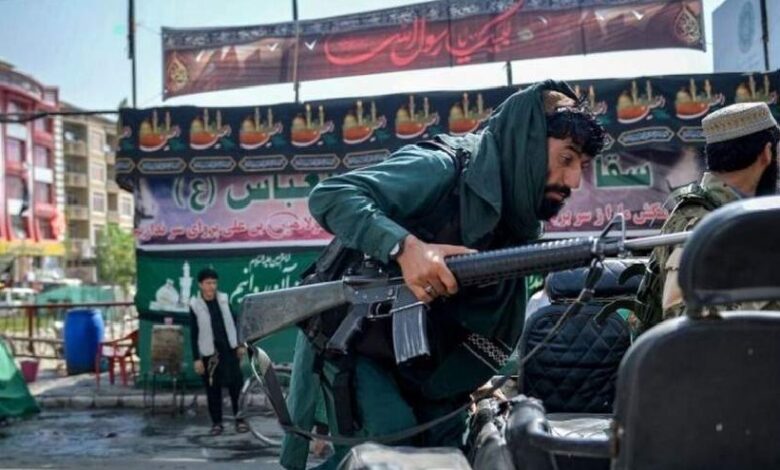
The human rights organization "Tolerance" reported on torture methods in Taliban prisons in Afghanistan, ranging from flesh-pulling to hanging from the ceiling.
In its new report, the human rights organization "Tolerance" revealed the methods of torturing prisoners in Taliban prisons, while announcing the human rights situation in Afghanistan. In the said report, freedom from torture is among the absolute and inalienable rights of individuals, which no justification can violate.
According to the Convention against Torture and the International Covenant on Civil and Political Rights, torture, inhuman or degrading treatment or punishment is prohibited, but according to the documents obtained, the Taliban not only mistreats its prisoners but also severely tortures them.
"Tolerance" said in its report: "The Taliban use torture methods as the most common methods of obtaining confessions and proving accusations from arrested and imprisoned individuals, and torture them to the point of forcing them to confess."
The organization added in its report: "Due to the lack of access of human rights organizations to Taliban-controlled prisons, specific statistics on the extent of torture of prisoners are not available, but prisoners released from Taliban prisons, despite Taliban threats that they should not tell the media about the torture or they will be re-arrested, have said that they have experienced various types of torture."
In its report, the Human Rights Organization Tolerance has pointed out various and cruel methods of torture by the Taliban, including "tying stones to men's genitals, pulling out flesh and nails, starving them, exposing them to extreme heat or cold, scaring them with gunshots, artificial drowning, putting a water pipe in the mouths of prisoners so that they are first tightly bound with blankets and then forcefully given water, electric shocks, exposing them to noise pollution, sleep deprivation, beatings with fists and kicks, sticks and rifle butts, hanging them from the ceiling, strangling them and threatening to kill prisoners and their family members, keeping prisoners in the hot and blazing sun and not feeding them."
Many prisoners have endured Taliban torture, but some of them could not bear it and were killed under torture. This rate of torture leading to murder has increased by 20 percent this year compared to last year.
A lawyer who was arrested in Kabul and held in a Taliban prison for two months stated that during his two-month detention, he experienced various types of torture, including electric shocks, hanging from the ceiling, and physical beatings.
In addition to the situation of Afghans in Taliban prisons, the human rights organization has also investigated the situation of ethnic and religious groups that are extremely vulnerable. According to these reports, the Taliban has been preventing ethnic and religious people from public services, accessing job opportunities, implementing development projects, humanitarian aid, and distributing national facilities and resources, and has been acting discriminatory towards them.
The Taliban have also established numerous madrassas in Badakhshan province and forced Ismaili Shiites to send their children to these madrassas to be educated according to Hanafi jurisprudence.
International human rights organizations and United Nations institutions have repeatedly condemned discriminatory behaviors against ethnic and religious individuals and warned about its consequences.