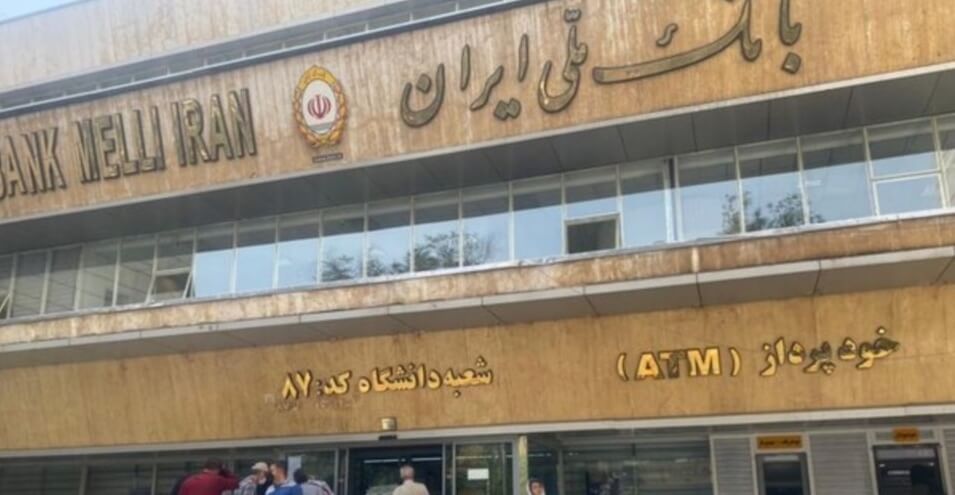
A student union activist at Tehran University was sentenced to prison and flogging.
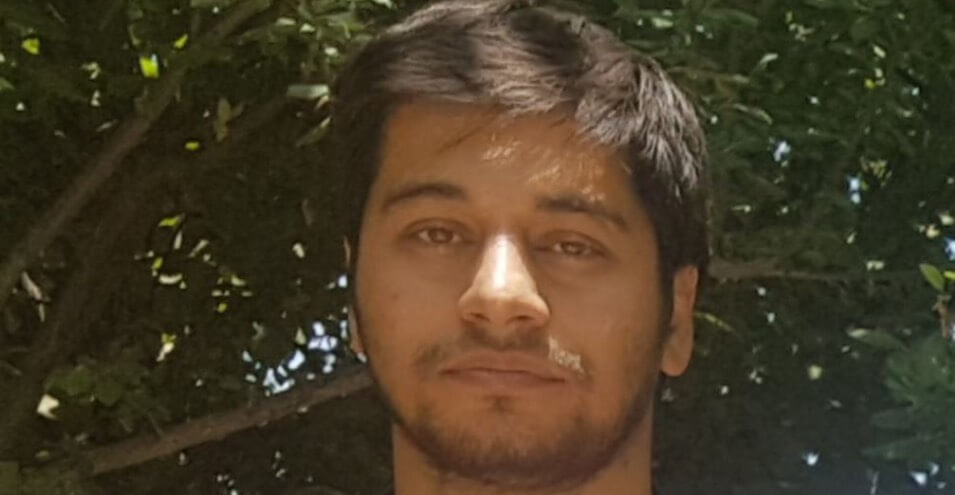
علی نانوایی، فعال صنفی دانشجویان دانشگاه تهران که اواخر آبان ماه هنگام خروج از دانشگاه توسط نیروهای امنیتی بازداشت شده بود، از سوی دادگاه انقلاب تهران به زندان، شلاق، و رونویسی از سه جلد کتاب محکوم شد.
این فعال صنفی دانشجویان دانشگاه تهران روز شنبه ۲۶ بهمن، از سوی شعبه ۲۶ دادگاه انقلاب تهران به ریاست قاضی ایمان افشاری بابت اتهام «اخلال در نظم عمومی» به تحمل ۶ ماه زندان، ۷۴ ضربه شلاق و رونویسی از سه جلد کتاب «پسرک فلافل فروش، پایی که جا ماند، و سه دقیقه در قیامت» محکوم شده است.
بنا بر گزارشهای منتشر شده، جلسه دادگاه رسیدگی به پرونده علی نانوایی ۱۵ بهمن ماه در دادگاه انقلاب برگزار و بر اساس دادنامه ابلاغ شده حکم زندان و شلاق این فعال دانشجویی به مدت دو سال به حالت تعلیق در آمده، اما حکم رونویسی از روی سه جلد کتاب که به عنوان مجازاتی تکمیلی برای وی صارد شده، تعلیقی نبوده و قابل اجرا است.
پیش از این صدای آمریکا بنا بر گزارش منابع دانشجویی اعلام کرده بود که این دانشجوی دانشگاه تهران است روز ۲۷ آبان ماه هنگام خروج از دانشگاه تهران توسط نیروهای امنیتی بازداشت شده است.
روز دوشنبه ٢٧ آبان دانشجویان دانشگاه تهران دست به تجمعی در اعتراض به افزایش سه برابر نرخ بنزین، وضعیت فاجعه بار معیشتی و سرکوب های سنگین زدند که در پی این تجمع حدود ۵۰ دانشجو از سوی لباسشخصیها بازداشت و با «آمبولانس» به زندان فشافویه و تعدادی نیز به زندان اوین منتقل شدهاند.
Following the public protests that began on November 14 over the increase in gasoline prices, students also held protest rallies at various universities, including the universities of Tehran, Tabriz, Babol, and Urmia.
Protests against the high price of gasoline began on Friday, November 14, after the sudden release of news of the high price of gasoline, in various cities of Iran, including Mashhad, Khuzestan, Ahvaz, Khorramshahr, Behbahan, and gradually spread to all regions of the country. Over the past two days, various news and videos of protest rallies and people chanting slogans against the government have been published in various cities. In some cities, protesters set fire to banks and clashed with the police.
The United States says the Islamic Republic spends its wealth on supporting terrorist groups and destabilizing the Middle East instead of its people. The United States has also repeatedly condemned institutionalized financial corruption and the looting of Iran's God-given assets by regime affiliates, citing them as major contributors to Iran's economic and financial problems.
For example, not long ago, US Secretary of State Mike Pompeo said in several tweets about the Islamic Republic's officials that instead of helping the people, they were involved in corruption.
Source: Voice of America