Re-arrest of Mobin Hosseini, Baháʼí Citizen in Sari
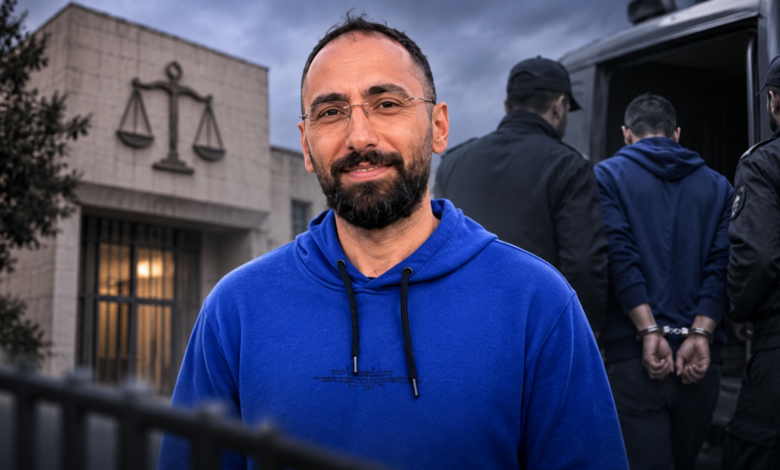
Mobin Hosseini, a Baháʼí citizen residing in Sari, has been arrested and transferred to an undisclosed location after appearing at an interrogation session at the city’s General and Revolutionary Prosecutor’s Office. This arrest comes approximately five weeks after his previous detention and following accusations of “propaganda against the system.”
According to a report by the human rights organization Hengaw, Mobin Hosseini was arrested on Tuesday, November 17, 2024 (26 Aban 1403 in the Persian calendar), after receiving a summons and appearing at the General and Revolutionary Prosecutor’s Office in Sari to participate in an interrogation session. According to informed sources, he was given the opportunity to defend himself against the allegation of “propaganda against the system” during the session, but was met with an arrest order at the end of the hearing.
At the time of publication of the aforementioned report, no information had been released about the location of Hosseini’s detention or any other possible charges against him. News agencies Hrana and IranWire have also reported the arrest of this Baháʼí citizen following his appearance at the prosecutor’s office.
This is not the first security-related incident involving Mobin Hosseini in recent weeks. He was previously arrested on October 11, 2024 (19 Mehr 1403 in the Persian calendar) during a raid on his home by officers of the Islamic Revolutionary Guards Corps Intelligence Organization. According to published reports, the officers entered the residence without presenting a court order and detained Hosseini for several hours. These reports also indicate that he was insulted and beaten during the detention, and his mobile phone was confiscated. Hosseini was released after a few hours.
His re-arrest following his appearance at the judicial authority raises serious questions about the investigation process and the observance of basic rights of the accused. A person’s presence at an interrogation session to respond to charges is part of the legal proceedings; however, arrest following the session, without the release of clear information about the legal basis for the decision, specific charges, and the location of detention, raises concerns about his legal and security status.
Furthermore, the general allegation of “propaganda against the system” alone does not clarify what specific conduct formed the basis for opening the case. To date, details of the evidence supporting the charge, examples of the activities attributed to Hosseini, and his access to an independent lawyer have not been released. Under such circumstances, the presumption of innocence, the right to access to legal counsel, and the right to be informed of the reasons for detention are among the rights that must be observed.
Mobin Hosseini’s arrest occurs at a time when multiple reports have been released in recent months of arrests, summonses, home searches, and criminal proceedings against Baháʼí citizens in various cities across Iran. Human rights reports indicate security-related incidents involving members of this community, including in Sari and Semnan, in which the religious and social activities of Baháʼí citizens have been framed within the scope of security-related accusations.
Article 23 of the Iranian Islamic Republic Constitution prohibits the investigation of beliefs and stipulates that no one may be subjected to harassment or punishment merely for holding an opinion. Additionally, Article 18 of the International Covenant on Civil and Political Rights, of which Iran is a member, recognizes freedom of thought, conscience, and religion. These rights include the freedom to have or adopt a belief and to express it, individually or collectively, in private or in public.
Nevertheless, successive reports of the arrest and persecution of Baháʼí citizens demonstrate that security and judicial actions against this community continue. In Mobin Hosseini’s case, the principal question now is not merely the charge presented; rather, clarifying his place of detention, ensuring his access to a lawyer and his family, and providing transparent information about the basis for his arrest are urgent necessities. Religious belief is not a crime, and no citizen should be deprived of their fundamental rights because of their beliefs.