Hearing of Iran's complaint against the US begins at the Hague Court
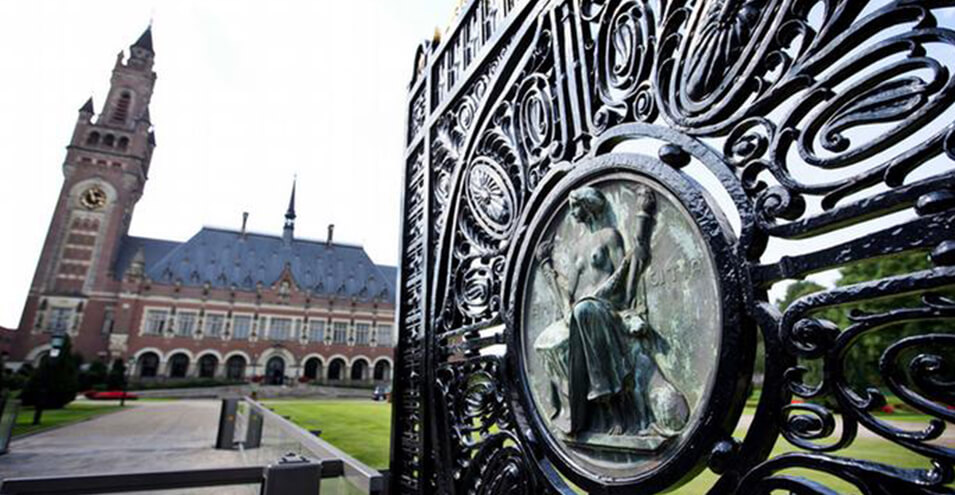
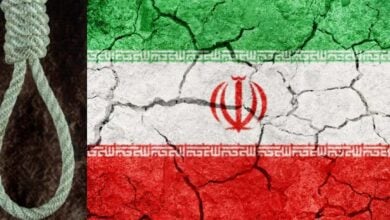
Iran has filed a lawsuit against the United States at the International Court of Justice for reimposing sanctions and violating a “friendship” treaty between the two countries signed between Tehran and Washington in 1955. The final decision could take years.
On Monday, August 27, Iran’s case against the United States over the reimposition of sanctions will begin at the International Court of Justice in The Hague. Iranian officials filed their case with the Hague court in late July, urging the court’s judges to vote to lift the U.S. sanctions as soon as possible, saying they are causing “irreparable damage.”
Iran emphasized in its complaint that the United States is not authorized to reimpose sanctions, and for this reason Tehran is demanding compensation for the damages incurred.
Iran also considers the return of sanctions, which were lifted with the 2015 nuclear deal, to be a violation of the Treaty of Friendship between Iran and the United States, which was signed between the two countries on August 15, 1955. The Treaty of “Friendship, Economic Relations, and Consular Rights” was signed in Tehran two years after the coup of August 19, during the presidency of Dwight Eisenhower and the prime ministership of Hossein Alaa, between representatives of the United States government and the Iranian imperial government.
According to AFP, the Hague court is expected to need several months to decide whether to accept Tehran's request for a provisional ruling. The final decision could take years.
Fulfilling election promises
In May of this year, US President Donald Trump announced the withdrawal of the United States from the Western nuclear deal with Iran. With this move, Trump fulfilled a promise that he had repeatedly emphasized during his election campaign.
At that time, he strongly criticized the nuclear agreement signed with Iran under Barack Obama, calling it "one of the worst agreements in American history."
Trump, along with announcing the US withdrawal from the JCPOA, reinstated sanctions on Iran that had been lifted with the signing of the JCPOA. The first phase of these sanctions took effect on August 6, and the second phase, which includes oil sanctions, is scheduled to take effect in November.
European countries had previously called on the United States to maintain its commitment to the JCPOA. After the US withdrew from the JCPOA and imposed sanctions on Iran, the European Union announced that it would not join Washington in implementing the sanctions.
German, French and British officials also stressed the need to preserve the nuclear deal with Tehran. However, many European companies have ended their activities in Iran despite EU guarantees.
US government lawyers are scheduled to present their case at the Hague court on Tuesday, August 28. Experts believe that US lawyers will likely question the International Court of Justice's jurisdiction to hear the case.
The International Court of Justice is a body that adjudicates disputes between states. However, states have the right not to recognize the jurisdiction of the Court in general or in specific disputes.
Neither the United States nor Iran recognize the Court’s “compulsory jurisdiction.” This means that the Court’s decisions to hear legal disputes between the two countries are not enforceable.
Source: DW