America on the verge of intervention, war fleet heading towards Iran, bloody protests and continued repression
While the US war fleet is moving towards Iran and "decisive options" for intervention are being considered, bloody protests and a severe crackdown on protesters inside the country continue.
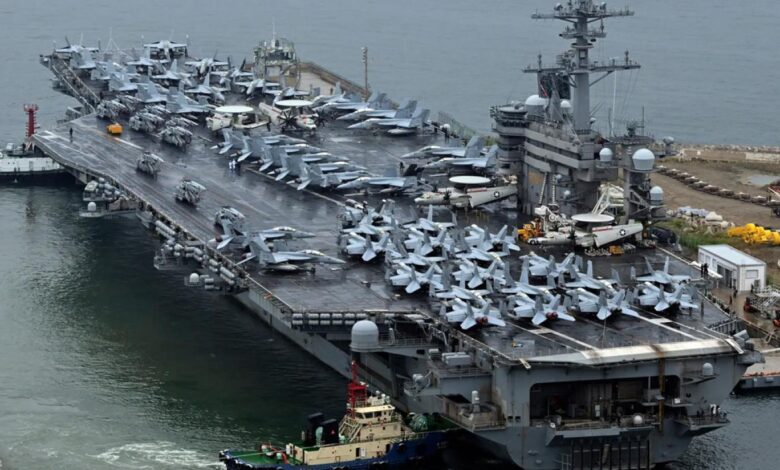
Amid widespread protests that have swept across Iran and turned into one of the bloodiest crackdowns in recent years, the United States has dispatched a military fleet, including an aircraft carrier and several warships, to the Middle East region, and possibly the Persian Gulf.
White House officials have said that President Donald Trump has asked his advisers to consider a range of options to "help Iranian protests" and pressure the Tehran government, but no final decisions have yet been announced.
The aircraft carrier USS Abraham Lincoln, along with several destroyers and fighter jets from the Asia-Pacific region, is reportedly moving westward and toward the Persian Gulf. US officials have warned that the military moves are to “protect US interests and regional partners” and could lead to more aggressive action if executions resume or violence against protesters increases.
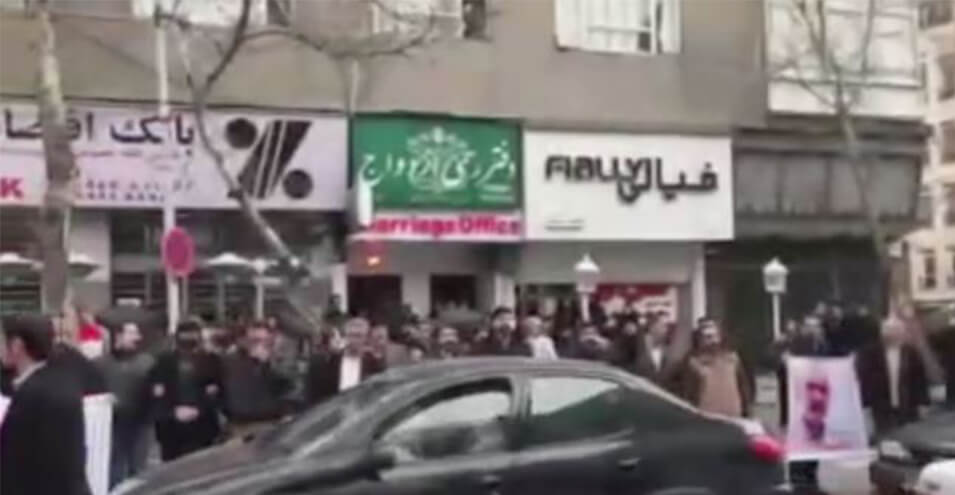
Inside Iran, protests that began as a response to severe economic pressures have turned into widespread political demands and have been met with a brutal crackdown by security forces. Human rights activists and independent watchdog groups say: “Thousands of protesters have been killed, and there have been widespread internet shutdowns, widespread efforts to censor and conceal the true extent of the crisis.” However, exact figures remain disputed, with official and unofficial sources giving different figures.
As these developments unfold, Washington is also exploring civilian options, including strengthening internet access, new economic sanctions, cyberattacks on government institutions, and increased diplomatic pressure—options that American analysts believe may have a limited impact on the fate of the popular protests. They warn that limited military options against Iranian security forces alone cannot lead to a real change of power in Iran, because the country’s military and security power structure is deeply entrenched in the socio-political structure.
On the other hand, analysts emphasize that foreign support, whether military or economic, has failed to definitively determine the outcomes of a popular movement in the past and has led to unpredictable consequences and, in some cases, an escalation of violence and long-term instability.
Regional countries have also reacted strongly to the possibility of military intervention, including warnings about increased regional instability and increased diplomatic efforts to prevent the spread of tensions across the Middle East.
Overall, Iran is in a critical situation: domestic protests continue to be brutally repressed, the humanitarian crisis deepens, and at the international level, threats and military preparedness have increased. It is not yet clear whether Washington will decide to intervene directly, but the consequences of any military action or external pressure could have an impact far beyond Iran’s borders.