Labor protests continue in several Iranian cities; wage deferrals are the reason for the protests
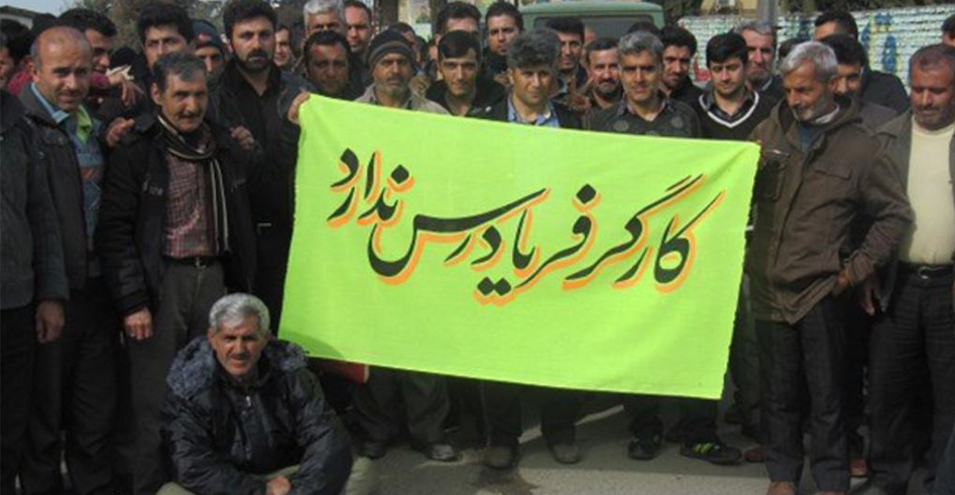
Labor protests, which had subsided following recent popular protest rallies, have escalated in recent days.
Some news sites report that workers at the Shafarud Dam in Rasht and workers at the Eastern Alborz mine protested on Monday, January 15, due to not receiving their wages for three months.
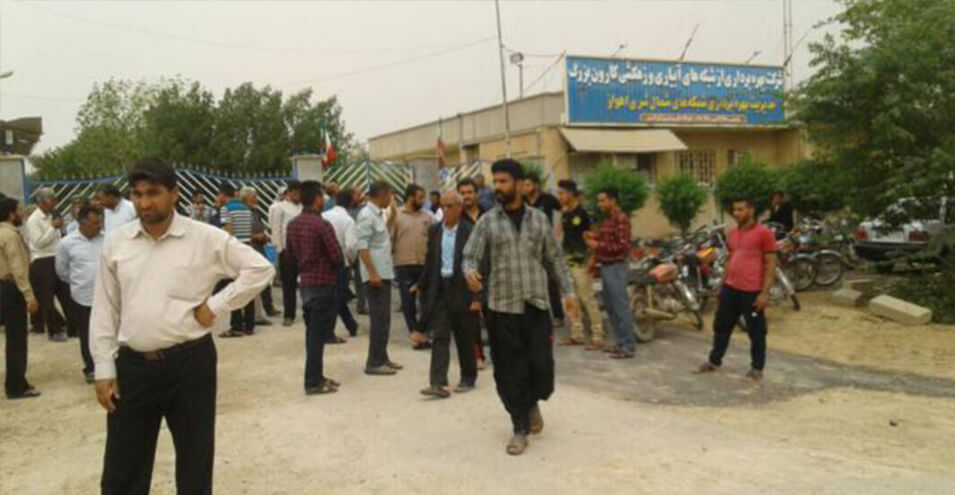
ILNA news agency also reported that Haft Tappeh sugarcane workers also gathered at the complex's premises to protest the employer's inattention to paying their wage demands. Some of the demands of the workers at this complex date back two years and have not yet been paid.
Another piece of news from the Haft Tappeh sugarcane complex is that on Monday evening, after a protest rally, unknown individuals attacked one of the workers as he was getting off the bus at work.
Haft Tapeh Company's public relations department confirmed the news and announced that the severity of the injuries was not severe and that the injured worker was discharged after outpatient treatment.
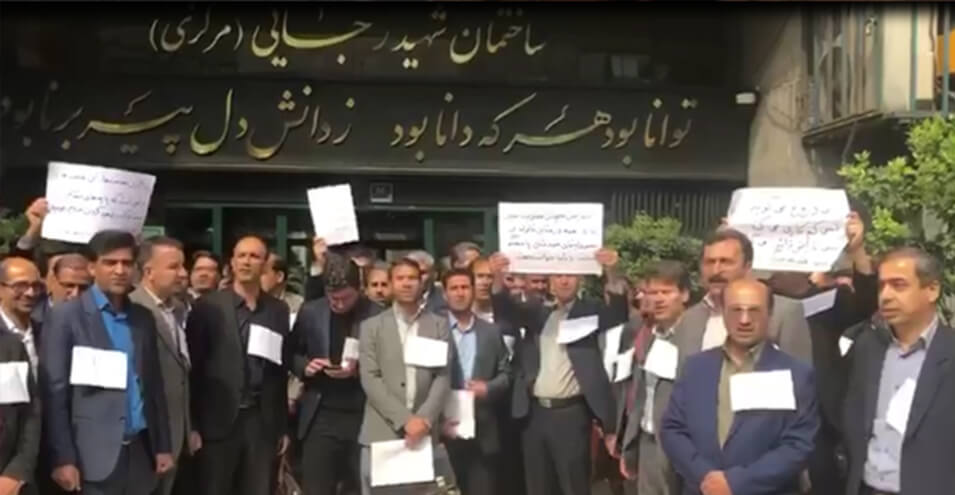
Another report indicates that a number of workers employed by the Persian Gulf Transportation Company gathered in front of the Stock Exchange building on Tuesday, January 16, to protest privatization and wage arrears.
The protesting workers, who claim that their union problems began after the privatization of the Persian Gulf Transport Company and the change in management, demanded that the stock exchange reopen the company's trading symbol for sale requests so that the company's fate can be determined.
More than 200 workers at the Tabriz Tractor Sazi industrial machinery factory have been protesting since last December following the closure of the factory. They are owed about 10 months of wages and are worried about their job future.
Protest rallies by employees and workers in production and service units, as well as retirees, have peaked and continued in recent years due to the ongoing economic recession in Iran.
The manufacturing sector of the Iranian economy, especially the non-oil manufacturing sector, has been in recession for the past five years, causing many units to close or make losses.
The street protests in January of this year also began and escalated with protests against the economic situation, corruption, and unemployment. The protests are said to have been more intense and violent in some cities with higher unemployment rates.
Source: Voice of America