"Omicron" raises alarm bells; Pfizer, Moderna, and AstraZeneca scramble
While many countries have imposed travel restrictions from African countries and areas where the virus has been detected due to concerns about the spread of the new strain of coronavirus, scientists are also trying to learn more about the strain known as "Amicron".
Scientists want to know whether existing vaccines can protect against this strain, or whether changes to the vaccine structure are necessary.
The Amicron strain has 50 mutations, more than 30 of which are in the spike protein, the protein the virus uses to infect cells and the one that vaccines train the immune system to recognize and attack.
What has been determined so far is that the new strain has a higher transmissibility than its predecessors due to its more mutations, so it is likely to be able to escape the body's immune system response - after natural infection and vaccination.
Scientists say the vaccine remains the most powerful tool for reducing the risk of severe illness and death from COVID-19, but the need for booster doses has become more pressing than ever.
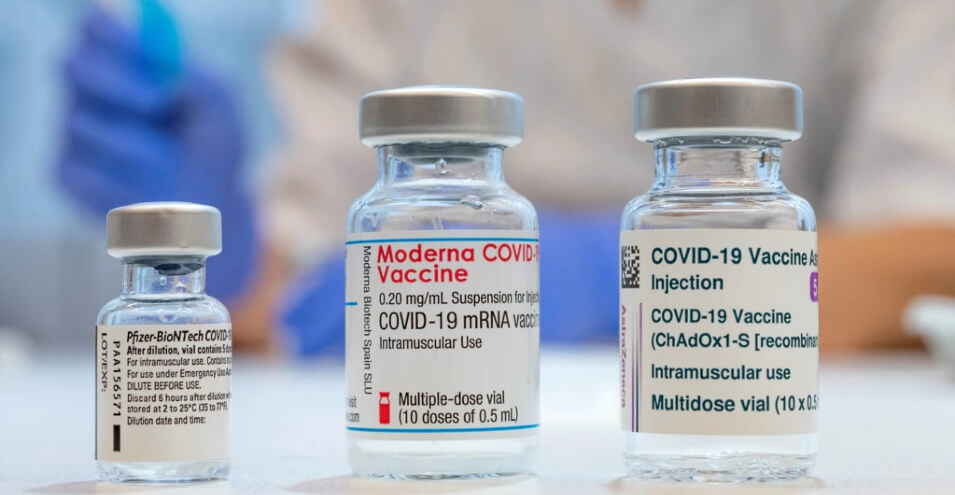
Pfizer and Moderna have been working to make changes to the structure of their vaccines to adapt them to the new and more contagious strain of the virus.
Vaccines based on mRNA technology have the ability to be rapidly modified and produced.
Jerrica Pitts, a spokeswoman for Pfizer, told the New York Times that the company is able to adapt existing vaccines to new strains within six weeks and deliver the first shipment of modified vaccines within 100 days.
Dr. Stephen Hogg, CEO of Moderna, also says that Moderna scientists took action immediately after learning about the "Amicron" strain and can adapt their vaccine to the new strain within two months and, if necessary, obtain clinical trial results within three months.
Dr. Hogg called the new species "the Frankenstein of all possibilities" and said it set off all the alarm bells.
Both Pfizer and Moderna also plan to test the effectiveness of a booster dose in providing protection against the new strain of the virus. Although tests have shown that antibody levels increase significantly after a booster dose, some experts believe they may not be enough to completely neutralize the Amicron strain.
Unlike the Pfizer and Moderna vaccines, the AstraZeneca vaccine uses a harmless modified virus as a vehicle to deliver genetic information that helps the body build immunity against future similar infections.
AstraZeneca has also said it can prepare its new vaccine formula within days, but production will take longer.
Clinical trials of modified vaccines are usually conducted on a smaller scale.
Source: Voice of America