If someone does not learn the Islamic faith correctly and becomes a Christian, they are not considered an apostate in our opinion.
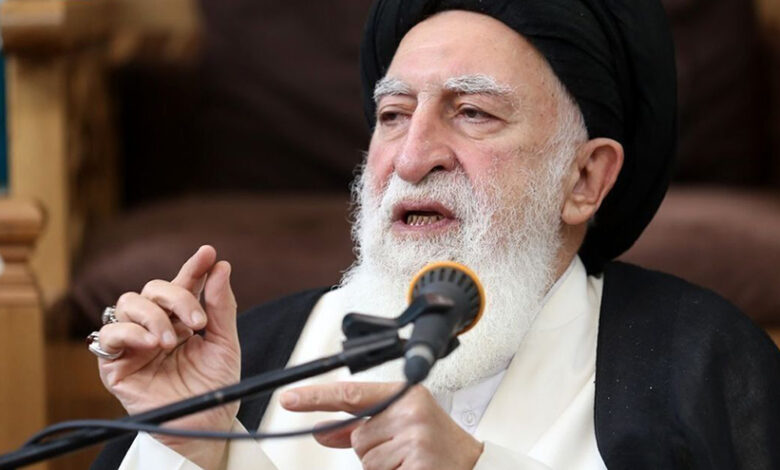
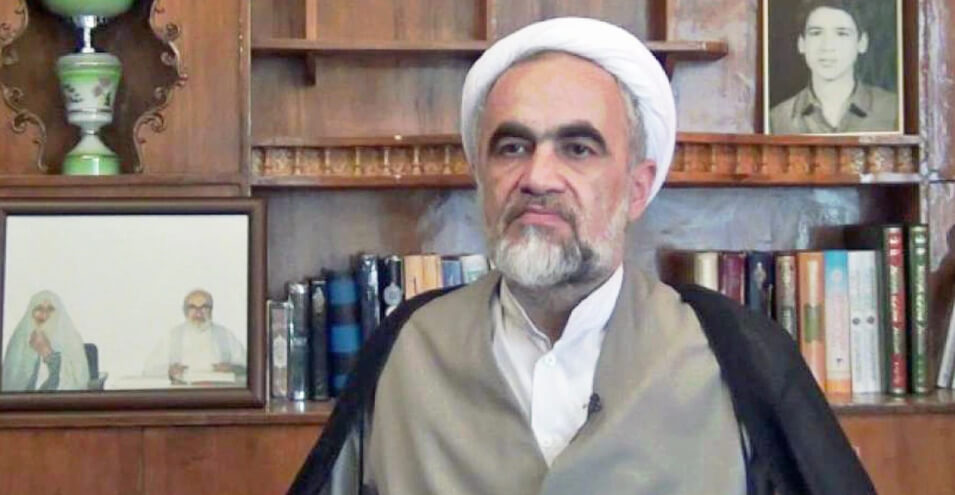
Ayatollah Alavi Boroujerdi stated in a speech that if someone does not learn the Islamic faith correctly and becomes a Christian, they are not considered an apostate in our opinion.
Historically, apostasy in Islam has been defined as the deliberate abandonment of Islam in speech or action, and includes the act of changing religion or rejecting religious beliefs due to infidelity, by a person born into a Muslim family or by someone who previously converted to Islam and then left it.
Also, until the 19th century, Sunni and Shiite jurists believed that apostasy from Islam was a crime, a sin, and a treasonous act punishable by death, after a period of time during which the apostate was given the opportunity to repent and return to Islam.
Unfortunately, not only does freedom of expression not exist in Iran, but people are also deprived of freedom of belief, and every day we witness the arrest of people who converted from Islam to Christianity and have been subjected to violence, arrest, imprisonment, beatings, torture, and in some cases execution by the Islamic Republic regime.
Now, considering the increase in Christians in Iran who were born Muslim, Ayatollah Alavi Boroujerdi has shown another reaction, stating that someone who becomes a Christian is not an apostate in our view.
In a recent fatwa, he said: "There are many young people who have gone to Europe and America and become Christians. Some Iranian girls have also become members of these so-called centers in Dubai, Turkey, etc. But these are our children and I cannot abandon someone who has gone and become a Christian. These are my children and my daughters and I cannot help but think about them."
As Ayatollah Boroujerdi mentioned in his speech, he talks about Christian centers, which he believes are supposed centers that Iranian girls also turn to. But is that really what he says?
Will those who leave Islam and choose the truth and turn to it be safe from the Islamic Republic's regime? What is the point of this disagreement between clerics regarding Christianity, with one considering Christians apostates and the other acceptable?