“The addiction crisis in the student population is serious”
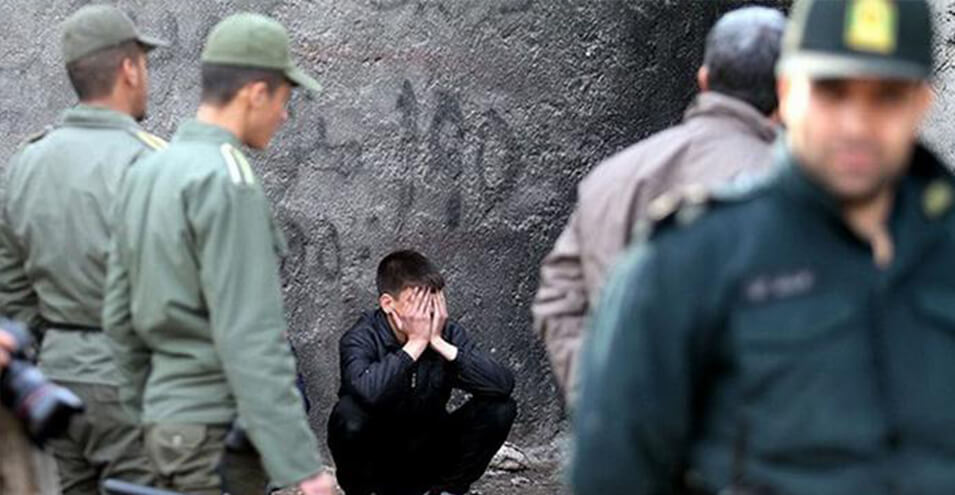
The deputy head of the Welfare Organization says that education is a place that is accessible to 95 percent of children, and all agencies must take a preventive approach to protecting students from drugs, depression, suicide, and mental and behavioral disorders.
In a television program, social welfare and law enforcement deputies acknowledged the growth of social harms among the student population and reminded of the need for coordination to diagnose and prevent addiction, conflict, and behavioral and mental disorders in this group.
Habibollah Masoudi Farid, deputy director of the Iranian Welfare Organization, considers preventive measures and life skills to be lacking in the student population, saying that a person who commits suicide has long had symptoms such as depression and anxiety; and this also applies to addiction. "We must monitor the symptoms of harm; for example, if we have 15 risk factors for addiction that are increasing in student age, we must be vigilant and intervene before harm occurs."
Ebrahim Karimi, deputy social affairs director at NAJA, also announced that if the relevant agencies do not control social harm, "it will spill over into negative and police actions, which is not very pleasant."
Masoudi Farid has reported a significant shortage of health counselors and trainers in schools and has called for the issuance of a counselor license for education and training. He also announced that according to the "Namad" protocol, social welfare emergency centers are connected to education and training so that if a student needs intervention, follow-up can be carried out.
The Namad (Student Social Care System) project is a joint project of the Ministry of Welfare, the Ministry of Health, the police, and the judiciary that has been underway since 2017 to prevent high-risk behaviors, crime, and social harm among students "based on screening, psychosocial support, and effective intervention."
Welfare officials have repeatedly emphasized that the realities of changing lifestyles and environmental changes have deepened social harms. The deputy director of the organization says that education and school are places where 95 percent of children have access, and it is an opportunity that all agencies should use to help education and training in line with preventive approaches.
Masoudi Farid has warned that epidemiological studies in various institutions begin at the age of 15, while 50 percent of mental disorders begin at the age of 14.
“The situation is dangerous”
The deputy social affairs minister of NAJA announced on the TV program "The Questioner" that social harms differ in cities, provinces, and educational levels: "The age of addiction is decreasing somewhat. The age of recreational cigarette use is 14 to 15 years old, but if it is an addiction, it can reach 17 to 18 years old. Despite the measures and efforts taken, we have not yet reached the right and safe point, and sometimes students who are dangerous are arrested."
The deputy deputy head of social affairs at NAJA stated that the police have identified six issues in monitoring school problems, one of which is fighting and conflict. He said that efforts are being made to prevent damage from reaching the stage of crime and the post-crime stages: "The damage is growing, but not in proportion to society and is more controlled. This growth is slow, not so severe as to create an emergency situation. Of course, the situation is dangerous because we do not expect children and adolescents to enter this field."
Sardar Karimi rejected the statistic that 48% of boys in Tehran schools smoke, saying: "This statistic means that one out of every two students should be a smoker, while we do not see such a thing and cigarette consumption should be at a much lower level."
There are no official statistics on the level of addiction among students in Iran. Mohammad Bathaei, the then Minister of Education in May 2019, did not deny the use of drugs and psychotropic substances in schools, but he told news agencies that he deliberately did not announce the statistics on addiction in schools.
Saeed Moeedfar, a sociologist, recently called student addiction a serious crisis in a note in the newspaper "Touseeh Iranian" and wrote: "Today, the country is facing economic poverty, which will gradually lead to cultural poverty... I ask all officials to take student addiction seriously and that their concern should not be publishing student addiction statistics, but rather the issue of how drugs are made available to students in the main and secondary squares of the city in the shortest possible time?"
This sociologist adds that if there is study and planning to face the crisis, the problem of addiction can undoubtedly be solved.
Source: DW