Electricity shortage crisis in Iran; footprint of the Revolutionary Guard and Chinese companies in electricity consumption for cryptocurrency mining
The latest report from the Electricity Network Management Company shows that the electricity consumption record in Iran has been broken, even though Iran has not yet entered the cold season, when the highest electricity consumption occurs. This has raised concerns about power outages in Iran.
IRNA, the state news agency of the Islamic Republic of Iran, reported on Tuesday, May 19, that the "increasing trend" in "the country's electricity consumption" this year began in the "early months" and predicted that this trend would lead to "much higher costs in the warmer months" and increase "concerns about the timely supply of electricity."
The urgent need for respiratory devices for COVID-19 patients, the early warming of the weather, and the "new problem of illegal home mining of cryptocurrencies" are cited as the main reasons for the increase in electricity consumption in the IRNA report, but the extensive activity of government institutions is not mentioned.
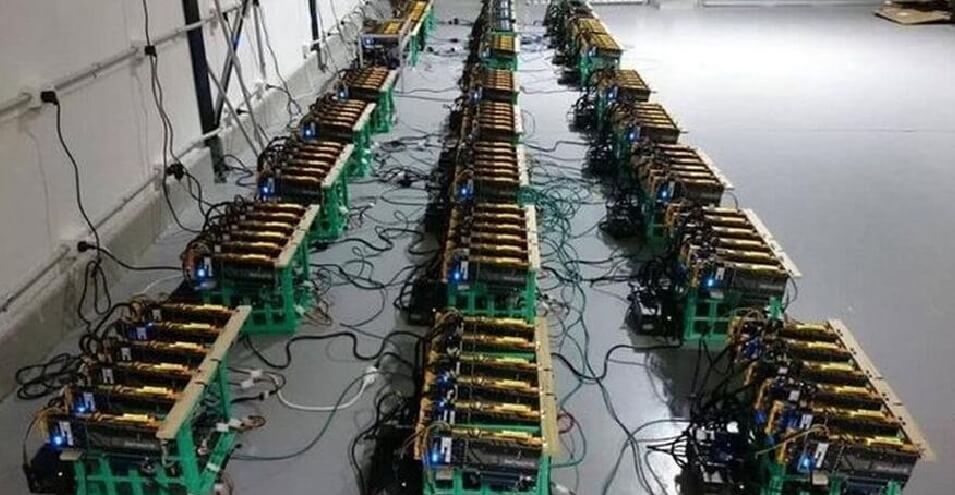
Regardless of the option of hospitals, the issue of cryptocurrency mining has been declared by some experts as the main reason for high electricity consumption. A few years ago, institutions affiliated with the Revolutionary Guards started mining cryptocurrency, and now home mining has also become common. Some people have started thinking about mining cryptocurrency by purchasing equipment.
The global rise in cryptocurrency prices has made mining profitable – even with the cost of equipment and home electricity. However, home cryptocurrency mining has been criminalized in Iran.
In the winter of 2020, the simultaneous crisis of power outages and severe air pollution drew the attention of the media and social networks to the issue of Bitcoin mining in Iran.
The Hamshahri newspaper reported that the "Chinese" own the largest "mining" farms in Iran, and that the "Chinese company Lubin" is "one of the largest cryptocurrency mining farms" that "has been active in Iran for a long time."
On January 9, 2020, the Zeytoun website reported, relying on "unofficial statistics," the "footprint of the IRGC in "increasing electricity consumption" and "Bitcoin mining," and wrote that most of the "180,000 mining devices" registered in Iran are "in the possession of companies and institutions affiliated with the IRGC."
Tejarat News published a report addressing public criticism of the government's exclusive mining of Bitcoin and its ban on citizens, quoting its audience, and wrote: "Throughout Iran's history, it has always been like this: shortages were the people's fault, and good deeds were the governments'."
Warnings from official authorities about the unprecedented increase in electricity consumption indicate that there is a possibility of a nationwide electricity shortage in Iran on the eve of the start of the heating season and even earlier.
In his tweet, a user named Omid Alavi predicted a "hell of a summer" and attributed the possible electricity shortage to "mismanagement by the Ministry of Energy and Ardakanian himself."
Another user, Reza Ghorbani, also considered "blaming mining for blackouts" as "projection" and wrote that the "electricity industry" in Iran "has not been able to develop in line with its own world."
Source: Voice of America