بودجه سال ۹۶، افزایش سهم درآمدهای نفتی و هزینه نظامی
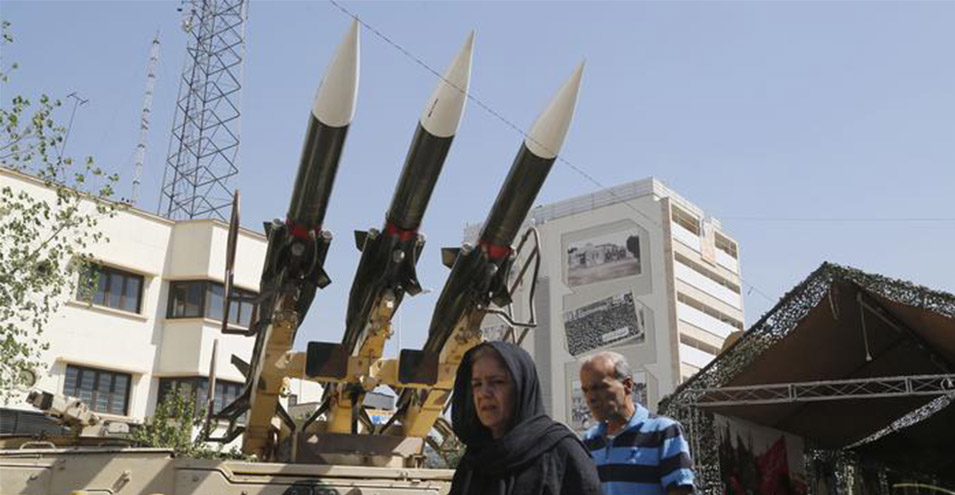
به گفته نمایندگان مجلس، سهم درآمدهای نفتی در بودجه سال آینده ۱۰ درصد افزایش داشته است و بیشترین تغییرات در بخش درآمدهای نفت و گاز انجام شده است. در کلیات لایحه بودجه سال آینده سهم بودجه دفاعی ۲۱ درصد بیشتر شده است.
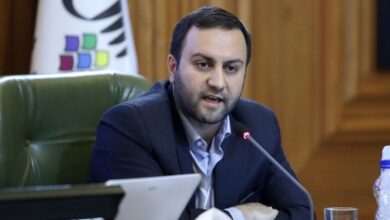
کلیات لایحه بودجه سال ۹۶ مخالفان و موافقانی در مجلس دارد. مخالفانی که میپرسند چرا سهم نفت نسبت به بودجه سال ۹۵ افزایش قابل ملاحظهای پیدا کرده است. روز دوشنبه (۲۰ فوریه/۲ اسفند) حسینعلی حاجی دلیگانی، نماینده شاهین شهر در مخالفت با بودجه سال آینده گفت: «در بودجه سال ۹۵ سهم نفت ۲۵ درصد بوده است؛ اما در بودجه ۹۶ این سهم به نزدیک ۳۵ درصد افزایش پیدا کرده است که این مغایر سیاستهای کلان اقتصاد مقاومتی است.»
یکی ازمهمترین دلایل افزایش سهم درآمدهای نفتی در سال آینده، افزایش صادارت نفت ایران پس از برجام و همچنین افزایش گاه و بیگاه بهای نفت نسبت به سالهای گذشته است. با وجود این که سیاست اقتصاد مقاومتی از جمله شعارهایی است که آیتالله خامنهای روی آن تاکید میکند، اما روشن نیست این شعار با کدام اهرمها باید به اجرا درآید و کدام پیامدها را برای اقتصاد ایران به دنبال دارد.
نماینده شاهین شهر در جلسه امروز مجلس نسبت به روش تامین منابع مالی بودجه سال ۹۶ انتقاد کرد و گفت: «استقراض در بودجه ۹۶ بسیار نگران کننده است». او این روند را در سالهای اخیر “بسیار خطرناک” دانست و گفت دولت بنا دارد حدود ۴۵ هزار میلیارد تومان قرض کند.
او همچنین به فرارهای مالیاتی اشاره کرد و گفت «رشد مالیاتی ۹ درصد است،اما به نظر میرسد رشد اقتصادی ما نیمی از این عدد است بنابراین شاهد استمرار رکود خواهیم بود؛ در بودجه ۹۶ اراده قالب برای اخذ مالیات از آنهایی که فرار مالیاتی کردهاند مشهود نیست و بیشتر فشار بر روی آنهایی میآید که هم اکنون نیز مالیات پرداخت میکنند.» به گفته او گروهی که با پوشش تولید و به اسم تولید واردکننده هستند، «از مالیات دادن فرار میکنند.»
سیاست مالیاتی دولت و تنگناهای آن
دولت کلیات بودجه را در حالی تهیه و به مجلس داده است که به گفته وزیر اقتصاد ایران بدهی دولت و شرکتهای دولتی در حدود ۶۰۰ تا ۷۰۰ هزار میلیارد تومان برآورد میشود. علی طیبنیا در سخنانی در اتاق بازرگانی ایران در روزهای پایانی دیماه سال جاری گفت که شرایط دولت در سه سال گذشته بسیار سخت بوده است.
وزیر اقتصاد حسن روحانی در سخنانی که در دیماه امسال ایراد کرد با اشاره به تنگناها مالی دولت گفت، «همگی باور داریم یکی از مشکلات اقتصاد ما وابستگی آن به نفت است و تورم ما هم به دلیل وابستگی اقتصاد به نفت است. اگر میخواهیم این وضعیت سامان یابد حتما باید وابستگی خود را قطع کنیم و اینکار از طریق افزایش درآمد مالیاتی محقق میشود.»
اما به نظر نمیرسد دولت قادر به اخذ مالیات از نهادها و موسساتی باشد که بخش بزرگی از اقتصاد ایران را زیر کنترل خود گرفته است؛ نهادهای وابسته به کانونهای اصلی قدرت مانند نهاد ولایت فقیه، آستان قدس رضوی و سپاه پاسداران. بسیاری از شرکتهایی که در مالکیت این نهادها قرار دارند یا مانند استان قدس رضوی از پرداخت مالیات معافاند یا به بهانههای مختلف از پرداخت مالیات طفره میروند.
به همین دلیل نیز وزیر اقتصاد اذعان کرده است که درآمدهای مالیاتی دولت سروسامان چندانی ندارد: «متاسفانه مالیات به صورت عادلانه وصول نمیشود و سهم بخشهای مختلف از مالیات متناسب نبوده و معافیتهای غیرمنطقی مالیاتی زیادی در کشور وجود دارد و همه این فشارها روی صنعت و بخشهای شفاف اقتصادی وارد میشود.»
با این توصیف معلوم نیست که دولت برای اجرای “سیاست اقتصاد مقاومتی” به کدام منابع باید متکی باشد و فشار آن را جز بر دوش مردم بر کدام شانهها بگذارد.
افزایش بودجه دفاعی
کلیات طرح بودجه اما موافقانی دارد. از جمله نمایند گرمسار که در این جلسه به دفاع از طرح بودجه پرداخت و به “توجه ویژه” در بودجه سال آینده به شهرستانها و استانها اشاره کرد که به گفته او «اعتبارات آنها به منظور توسعه و توازن منطقهای ۴۰ درصد نسبت به امسال افزایش یافته است.» اما این همه بودجهای که به مسائل نظامی اختصاص پیدا میکند نیست.
پس ارائه لایحه بودجه از سوی دولت به مجلس در آذرماه امسال، خبرگزاری مهر با مقایسه بودجه نهادهای نظامی لایحه سال آینده و نخستین سال زمامداری دولت روحانی، از رشد ۸۶ درصدی بودجه این نهادها گزارش داد.
بیشترین میزان رشد بودجه مربوط به بودجه سپاه میشود. بودجه مشترک سپاه در لایحه بودجه سال ۹۶ بالغ بر ۲۲ هزار و ۲۴۵ میلیارد تومان پیشبینی شده است که در قیاس با سال ۱۹۹۳، یعنی نخستین سال زمامداری دولت تدبیر و امید، رشدی معادل ۱۰۰ درصد داشته است.
بودجه ستاد مشترک ارتش رشدی ۴۰ درصدی داشته و به ۷۷۷۲ میلیارد تومان در لایحه سال آینده رسیده است. بودجه ستاد فرماندهی کل نیروهای مسلح و همچنین بودجه سازمان بسیج مستضعفین نیز در همین بازه زمانی دو برابر شده است.
سایر بخشها
غلامرضا کاتب از پیشبینی یک رشد اقتصادی ۶،۷ درصدی، رشد سرمایهگذاری ۱۲،۳ درصدی، نرخ تورم ۷،۳ درصدی و رشد نقدینگی ۲۰ درصدی در بودجه سال آینده گفت. او افزایش سهم درآمدهای مالیاتی در بودجه سال آینده را ۱۴ درصد برآورد کرد و گفت:
«خوشبختانه درآمدهای مالیاتی از ۸۶ هزار میلیارد تومان به ۹۹ هزار میلیارد تومان رسیده که ۱۴ درصد نسبت به بودجه سال ۹۵ افزایش یافته، البته این افزایش درآمدهای نفتی برای شرکتهای دولتی است و از مردم کمتر مالیات کسر میشود.»
به گفته او در بودجه سال آینده بودجه دفاعی ۲۱ درصد نسبت به سال ۹۵ افزایش یافته است. این نماینده مجلس افزود «ما در حال حاضر نیز با توجه به اینکه در شرایط رکود و بحران قرار داریم و کارکرد صندوق توسعه ملی نیز در شرایط بحران و رکود است، از این صندوق مبلغ ۱۳۰۰ میلیارد دلار به بخش تقویت بنیه دفاعی اختصاص دادهایم.»
سایر بخشهای بودجه نیز به گفته این نماینده مجلس از افزایش ۳۳ درصدی برای محیط زیست، اختصاص ۱۴۴۰ میلیارد تومان از بودجههای ارزش افزوده به بخش ورزش و جوانان حکایت دارد. او همچنین گفت که «برای اولین بار یک هزار میلیارد تومان برای سرمایهگذاری در بخش اشتغال در نظر گرفته شده که معتقدیم هر چه به این بخش کمک کنیم باز هم کم است.»
Source: DW