Khamenei reiterates the need to increase Iran's population
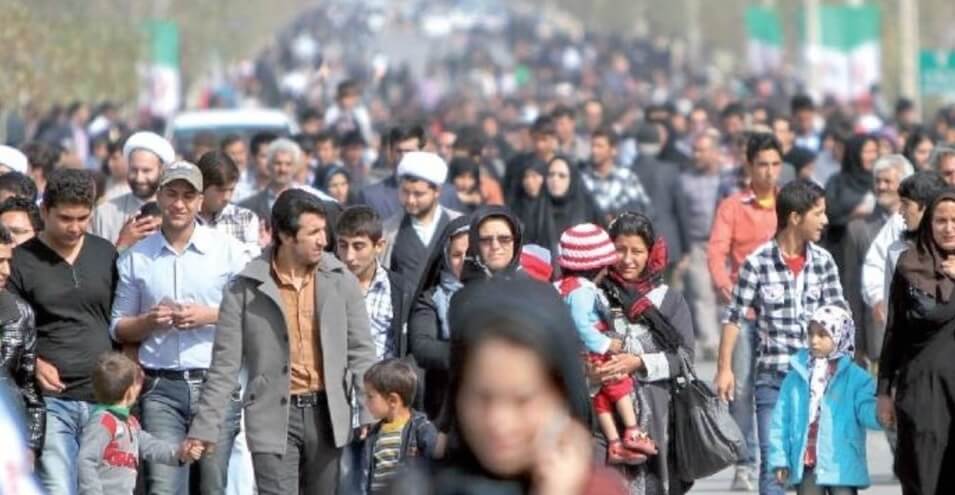
In a message, the Leader of the Islamic Republic once again emphasized pursuing population growth policies.
On Wednesday, May 19, in a message read at a meeting of the National Headquarters of the Jamiat, Ayatollah Ali Khamenei described the aging of Iran's population in the future as "horrific" and considered efforts to increase the population one of the "most necessary obligations" of officials and the people.
Ali Khamenei called population growth a "vital policy" for Iran's future and emphasized the need to build culture in the public sphere and the health system.
Iranian President Ebrahim Raisi also ordered all agencies to take steps to implement the “Population and Family Excellence Law.” Raisi also emphasized the importance of providing bank facilities to help with childbearing, saying, “Regulations related to providing facilities to banks should be prepared and implemented as soon as possible.”
Paying childbearing loans, providing facilities to solve the housing problem of married people, and banning screening in the first months of pregnancy are among the measures that the Iranian government has considered and implemented to increase the marriage and childbearing rates.
The failure to provide public and affordable services for contraception is another measure taken by the Iranian government in this regard.
This is while experts consider the lack of free and subsidized distribution of contraceptives in Iran to be "destructive" and "devastating," saying that this law will lead to an increase in unwanted pregnancies and the spread of sexually transmitted diseases.
Since November 2013, when Ayatollah Khamenei spoke of an increase in Iran's population to 150 million, the government's policies have changed in line with his words. In addition to approving plans in this regard, the Islamic Republic has also promoted childbearing through various means, such as the content of textbooks, the media, and the installation of billboards throughout the city.
However, in recent years, economic problems, housing prices, and unemployment rates have increased, and the number of marriages and children in Iran has also decreased.
In early May of this year, the IRNA news agency announced in a report that between 2011 and 2022, the number of marriages had been declining, with this figure showing a drop of more than 36 percent.
In addition to economic and livelihood problems, Iran is also grappling with issues such as water scarcity, air pollution, and the destruction of forests and rangelands.
According to government officials, eight thousand villages currently require water supply by tanker.
Source: Voice of America