Trump and Military Alliance of Arab Countries Against Iran
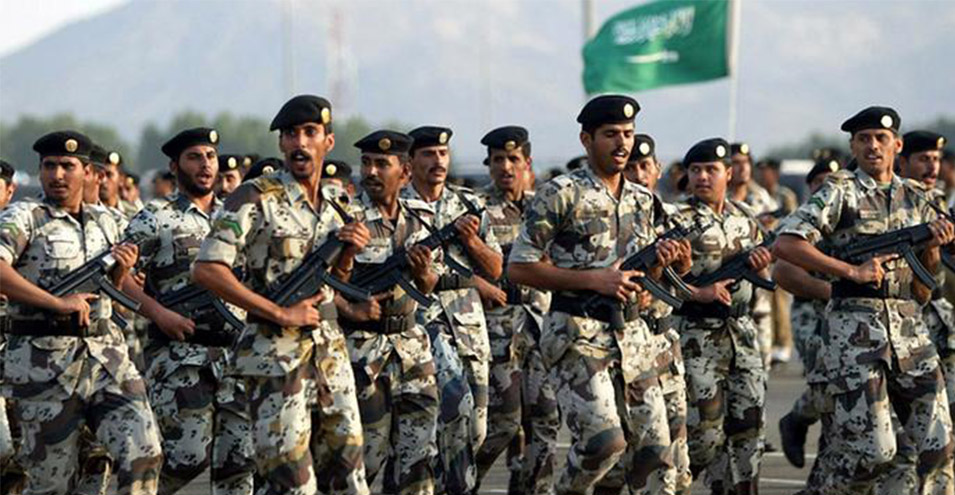
Saudi Arabia, United Arab Emirates, Egypt and Jordan are intent on creating a military alliance against Iran with intelligence cooperation from the United States and Israel; a military alliance similar to NATO. The possibility of other Arab countries joining this military alliance is not ruled out.
Talks have begun between the Trump administration and America’s Arab allies over establishing a military coalition. The stated goal of these talks is to limit Iran’s influence in the region and counter the military threats posed by this country. The plan is for these countries to create a military treaty similar to the NATO treaty, whereby if one country is attacked, other allied countries will take action. Furthermore, extensive cooperation is planned with Israel and America in the field of security and military intelligence sharing.
America and Israel’s participation in this regard will include cooperation with member countries of this treaty in the field of security and military intelligence sharing, and these two countries are not expected to become members of this military coalition.
Intelligence Cooperation with Israel
The Wall Street Journal on February 15 (Bahman 27) reported on talks held between the Trump administration and representatives of Arab countries. In this report, the purpose of creating this military treaty was stated as confronting a common enemy, namely the Islamic Republic of Iran. Despite Saudi Arabia and the UAE’s enmity with Israel, member countries of this military coalition are expected to cooperate with the Israeli government in the field of military and security intelligence sharing. Military intelligence sharing between Israel and other potential members of this military treaty, namely Egypt and Jordan, is not a new phenomenon. Membership in this military coalition was not limited to the four aforementioned countries, and other Arab countries can also join this military treaty.
America’s Military Support
Although the United States, like Israel, will not formally be a member of this military coalition, the American government has stated that it will support and back this coalition both in terms of security and military matters. The level of America’s military support for member countries of this treaty goes beyond what America is currently doing, for example in Yemen and in the fight against the Houthis.
The Trump administration has formally announced that it is willing to expand its relations with its allies in the region and intends to take a more active role in the developments of this crisis-ridden region.
According to the Wall Street Journal report, it is still unclear how far negotiations over establishing this military coalition have progressed. Military and security officials of the aforementioned Arab countries have held talks in Washington with U.S. Defense Secretary Jim Mattis on this matter. It is said that Michael Flynn, the Trump administration’s national security advisor, also participated in these talks before his resignation on Monday, February 13. Now the U.S. Defense Secretary is expected to visit the region and continue talks with the leaders of these countries regarding the establishment of this military coalition.
The first test to assess the feasibility of establishing such a military coalition will be joint operations in the civil war in Yemen. The Yemen war is one of the arenas of proxy war between the Islamic Republic of Iran and Saudi Arabia.
Source: DW