Thousands of refugees protest on the Greek island of Lesbos
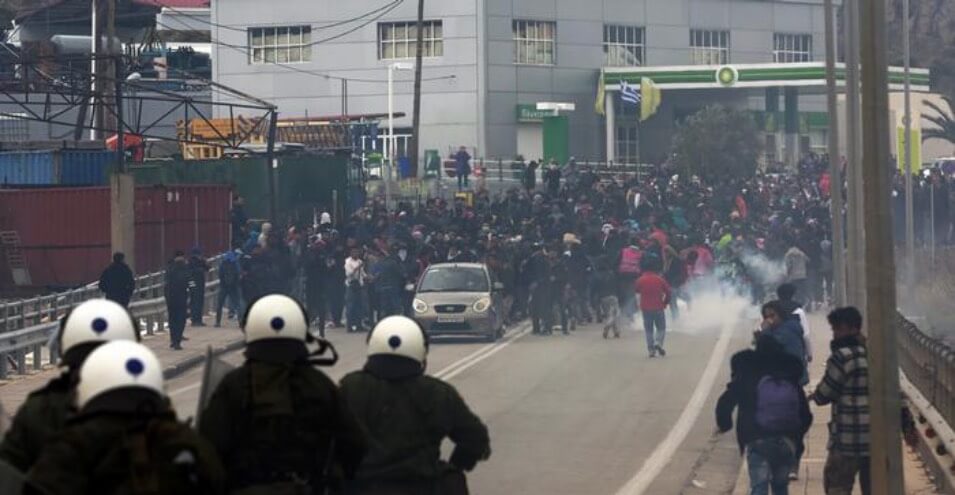
More than 2,000 residents of the Moria camp on the island of Lesbos have marched to protest their precarious situation. Their main demand is to be transferred to Greek territory. From there, they are determined to emigrate to other European countries.
The Moria camp on the Greek island of Lesbos has long been a hot topic in the refugee and migration news. Moria was designed to accommodate 2,840 migrants, but currently houses nearly 20,000 people inside and outside its compound.
On Monday, February 3, more than 2,000 residents of the residence marched in the city of Mytilene, the center of the island, to protest their precarious situation and fear of deportation to Turkey.
The protesters, chanting "Freedom, freedom," demanded their transfer to Greek soil. They are determined to emigrate from Greece to other European countries as soon as possible.
According to Greek media reports, police forces prevented their march from continuing and ended the demonstration by firing tear gas.
Inside the Moria camp, refugees live in tents without heating and are forced to use unsanitary toilets and washrooms. Outside the camp, refugees are wandering around deprived of even these “facilities.”
No perspective available.
Since the beginning of this year, asylum laws and regulations in Greece have been tightened, and the government has announced that it intends to establish special prisons on the islands for those whose asylum applications have been rejected and who must be deported.
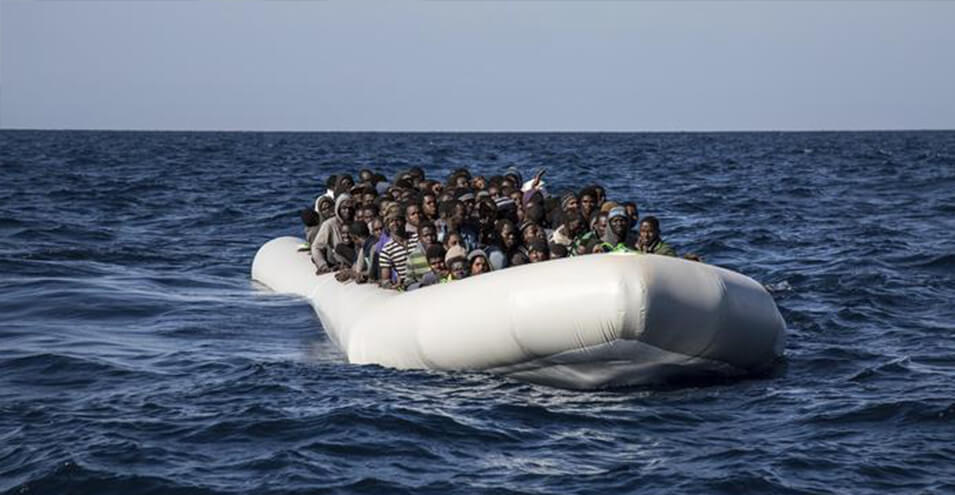
According to the United Nations, an average of at least 100 refugees have reached these islands every day over the past month.
The situation for refugees on other Greek islands is no better than on Lesbos. Mayors on the northern Aegean islands have been warning for months that the situation is becoming critical.
The islands of Chios, Samos, Kos, Leros and Lesbos have temporarily accommodated 41,000 migrants. The number of asylum seekers on these islands was around 14,000 in April 2019.
These islands are considered the gateway for refugees to Europe, and most of the residents of their settlements are Syrian, Iraqi, Afghan, and Iranian refugees.
Source: DW