Tehran in nuclear standoff and the International Atomic Energy Agency's trip to Washington
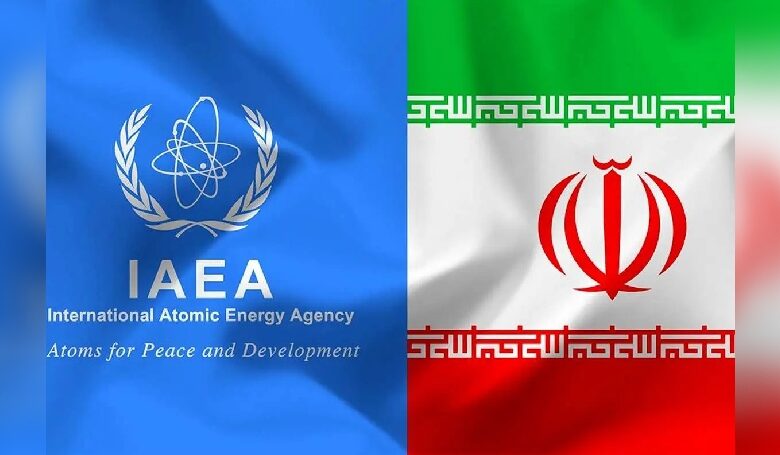
The impasse over Tehran's nuclear program forced the International Atomic Energy Agency to travel to Washington.
The Islamic Republic's refusal to cooperate with the International Atomic Energy Agency has exacerbated the global crisis of confidence in Iran's nuclear program and brought international negotiations to a standstill.
The Islamic Republic of Iran has once again presented the international community with a serious challenge by preventing international inspectors from accessing its nuclear facilities. Bloomberg reported, citing several diplomats with knowledge of the matter, that the International Atomic Energy Agency will travel to Washington next week to discuss with US officials the continuation of inspections, following Tehran’s failure to reach an agreement.
This move comes at a time when the three European powers have given the Islamic Republic a deadline to reach an agreement by resuming nuclear and missile talks, otherwise the "trigger mechanism" will be activated and all international sanctions suspended since 2015 will return.
The main differences, including Tehran's lack of transparency about the more than 400 kilograms of 60 percent enriched uranium that was moved to a safe location after the 12-day war, indicate that the same problems and obstacles that gave rise to recent tensions still persist.
The conditions for any agreement are now complicated, with the US insisting on the complete dismantling of all enrichment capacities and Germany demanding clarification on the status of long-range ballistic missiles, but Tehran has not yet accepted any of these conditions.
The IAEA’s Deputy Director General, Massimo Apparo, traveled to Tehran on August 11 to discuss how the agency and the Islamic Republic should interact in the new circumstances, but left Tehran hours later without any results. The IAEA delegation’s trip to Washington has also heightened concerns about the agency’s inability to verify and audit Iran’s stockpile of weapons-grade uranium. The trip was planned after the agency’s Director General, Rafael Grossi, failed to get Tehran to agree to resume inspections, three diplomats told Bloomberg.
The expulsion of inspectors during the recent war with Israel effectively halted international monitoring of Iran's nuclear program. Tehran continues to claim that chemical and radiological hazards at bombed sites prevent the resumption of inspections, which are precisely the risks the inspections are designed to address.
Currents close to power in the Islamic Republic accuse the IAEA of providing information on Iran’s nuclear sites to Israel. Some reformist figures, including former Foreign Minister Mohammad Javad Zarif, also consider Rafael Grossi to be the initiator of the 12-day war. Ali Larijani, Secretary of the Supreme National Security Council, wrote threateningly on the social media X on June 19: “When the war is over, we will be held accountable for Rafael Grossi.”
This situation shows that the Islamic Republic not only refuses international transparency, but also continues to block the path to engagement with international institutions through deceptive tactics and the exploitation of diplomacy as a tool. The result of these policies is continued global distrust of Iran's nuclear program and increased international tensions.