Collection of carcasses of dozens of birds infected with highly pathogenic influenza in the Meqan Wetland of Arak
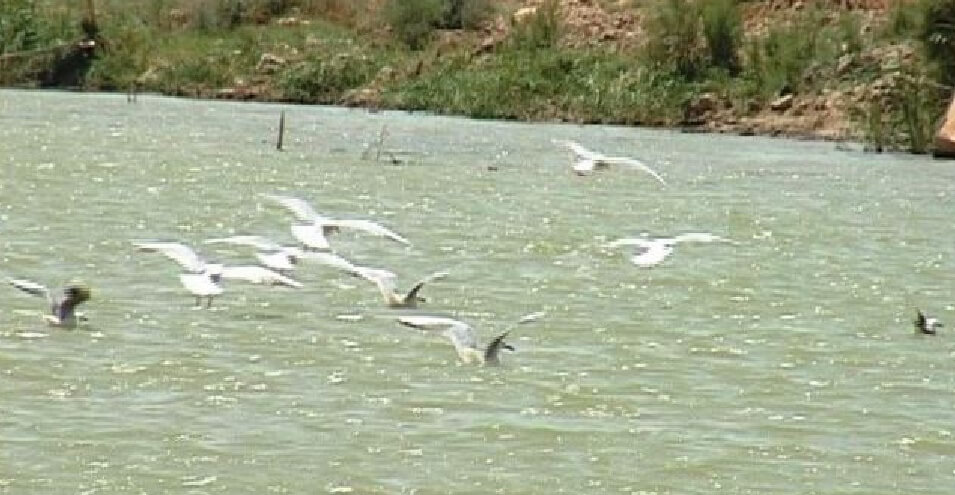
The commander of the Environmental Protection Unit of Markazi Province announced on Thursday, December 26, the collection of the carcasses of 251 birds infected with highly pathogenic avian influenza from areas around the Meqan Wetland in Arak this week.
According to the Iranian Broadcasting Agency, Abbas Jodaki stated that the Markazi Province veterinary service has confirmed that these birds are infected with highly pathogenic avian influenza, and announced that the carcasses will be buried hygienically and lime will be applied.
Mr. Jodaki, noting that traffic to the Meqan Wetland area of Arak is prohibited until further notice, urged citizens not to touch bird carcasses under any circumstances and to report the matter to the Environment and Veterinary Services for follow-up.
According to the commander of the Environmental Protection Unit of Markazi Province, the majority of bird deaths in Arak's Meqan Wetland are related to gray geese, but several species of ducks and mergansers have also been observed among the dead birds.
According to the website of the General Department of Environmental Protection of Markazi Province, the Meqan Wetland, located 15 kilometers northeast of Arak, is home to 208 bird species, and 90 migratory bird species enter the wetland annually, most of which are cranes.
The Director General of Environmental Protection of Markazi Province announced on November 15 that more than 16,000 birds have migrated to the Meighan Wetland this fall.
In 2016, the Meeghan Wetland experienced an outbreak of highly pathogenic avian influenza, with more than 2,400 bird carcasses collected from the surface of the wetland.
In 2017, this disease was more or less seen among the birds of this wetland, but it did not cause serious losses like the previous year. In 2018 and 2019, no cases of this disease were seen in this area.
Avian influenza is a common disease between humans and birds, the virus of which is mostly transmitted to humans through contact with sick birds or sick bird droppings, but a few cases of human-to-human transmission have also been recorded.
Source: Radio Farda