
Hassan Rouhani: International criticism of Iran's human rights is an excuse
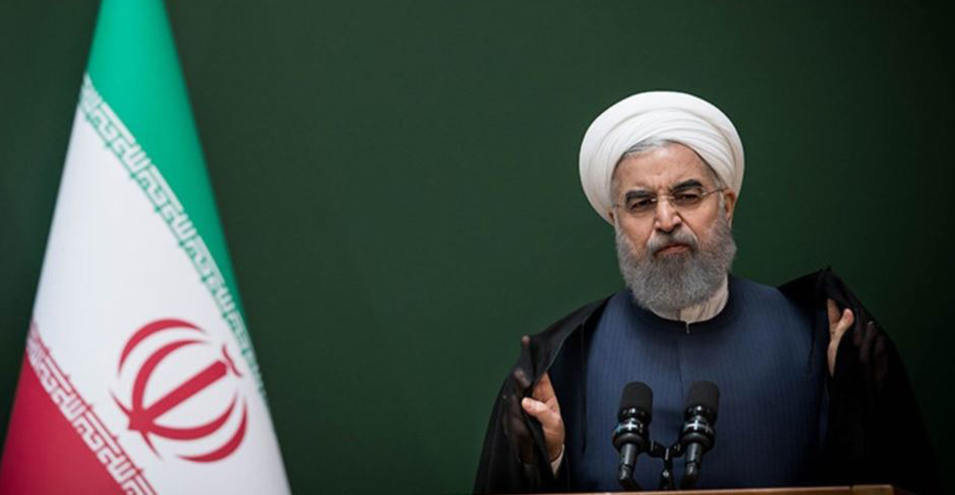
While international organizations criticize the Islamic Republic of Iran's performance in violating human rights, Iranian President Hassan Rouhani, while outlining the steps that the judiciary can take to improve the human rights situation in Iran, called international criticism of the human rights situation in Iran an "excuse" and said that this excuse can be taken from the West.
Speaking at a conference on the judiciary on Sunday, July 1, Mr. Rouhani criticized the detention of individuals without “sufficient evidence.” He said, “Islam does not allow us to pressure the other party beyond the punishment specified for that crime if a criminal has committed a crime. We do not have the right to tarnish people’s reputation and summon or arrest someone without sufficient evidence. Summoning individuals without obtaining evidence is also a myth. There must be evidence first to summon the party, not to summon the party and then bring evidence.”
The Iranian President added: "The verdict of conviction and acquittal should be the same for the judge and, if possible, lead to acquittal and the principle of acquittal. As someone said, the bill has been hit in the back of the principle of acquittal, but the principle of acquittal is alive and active. We are seeking to have the principle of acquittal. If sufficient evidence is found on the other side, the verdict of the law should be implemented."
Hassan Rouhani also said that he hopes that judicial officers will not act in a partisan or factional manner. According to him, judicial officers are from the Ministry of Intelligence and the Police Force, and these officers, who play a role in filing cases, should not act in a partisan or factional manner.
Encounters between IRGC officers
The Iranian President's statement comes at a time when the IRGC Intelligence Organization has become one of the most important judicial authorities in political, security, and economic cases in recent years, and has also found differences with the Ministry of Intelligence.
The culmination of these disputes is the arrest of the administrators of pro-government Telegram channels. The Ministry of Intelligence believes that these administrators were arrested without reason, but the judiciary considers their charges to be security-related.
On the other hand, Mr. Rouhani's criticism of the performance of some judicial officers comes at a time when human rights activists are also critical of the performance of agents of his government's Ministry of Intelligence.
Criticism of the performance of the Rouhani government's Ministry of Intelligence
Shirin Ebadi, a lawyer and Nobel Peace Prize winner, said in this regard that Mr. Rouhani's Ministry of Intelligence has arrested many journalists and civil activists, and according to her, Mr. Rouhani cannot ignore this issue because the Ministry of Intelligence is the plaintiff in these arrests.
For example, he mentioned the arrest of human rights activist Narges Mohammadi, who was arrested by agents of the Ministry of Intelligence and tried based on a complaint filed by the ministry.
Ms. Ebadi had previously criticized the human rights situation in Iran, calling prisoners of conscience in Iran hostages of security institutions such as the Ministry of Intelligence. While reminding Mr. Rouhani of his oath to uphold the constitution, she asked which political and ideological prisoners in Iran have been tried publicly and in the presence of a jury?
In any case, the Iranian president emphasized at a conference attended by all high-ranking officials of the judiciary that the government and the judiciary can take away the "human rights excuses" from the West and, in his words, isolate the United States.
The United Nations, many Western countries, and international human rights organizations have repeatedly accused the Islamic Republic of violating human rights.
Violations of the rights of religious and ethnic minorities and the imprisonment of their activists, violations of freedom of expression and the imprisonment of journalists, security clashes with civil activists, and widespread executions have been called human rights violations in Iran.
Source: Voice of America


Thank you for your good information.