41 human rights organizations request extension of UN Special Rapporteur's mandate
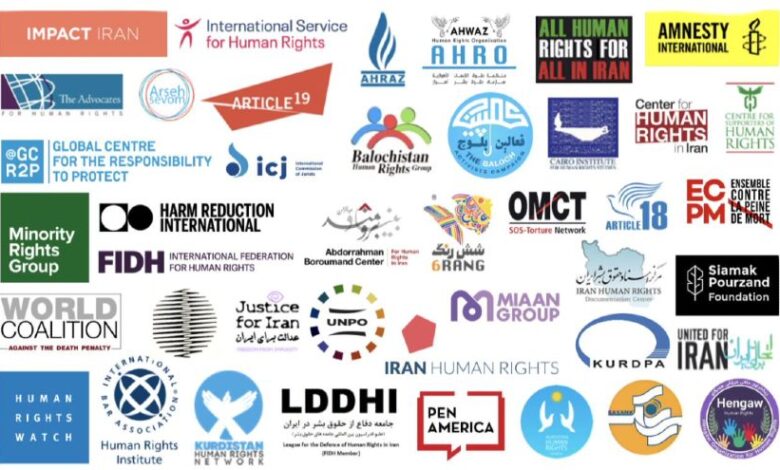
41 human rights organizations have written a letter calling for the extension of the mandate of the UN Special Rapporteur on human rights in Iran.
Yesterday, Monday, March 17, and today (Tuesday), March 18, the UN Human Rights Council held a meeting in Geneva, where it reviewed the human rights situation in Iran.
Mai Sato, the UN Special Rapporteur on human rights in Iran, expressed concern about widespread human rights violations in Iran in a report published last week, March 12. In the report, she emphasized systematic discrimination against women and minorities, Christian citizens and Baha'is, and examined the repression of protesters, the increase in executions, violence against women, gender discrimination and the poor conditions of prisoners.
Now, 41 human rights organizations, along with Article 18, have written a letter to the UN Human Rights Council at this meeting, calling for the extension of the mandate of Mai Sato, the UN Special Rapporteur on human rights in Iran, and have emphasized the continuation of an independent international investigative mechanism to expand the work of the truth-finding committee.
The letter, while referring to the widespread human rights violations in Iran, states: "This mechanism should have a broad mission that includes investigating, collecting, and preserving evidence related to recent and ongoing patterns of serious human rights violations and crimes under international law, as well as pursuing necessary measures for accountability."
The Truth and Reconciliation Commission has confirmed that widespread human rights violations and repression of minorities, women, and protesters continue in Iran. Iranian authorities have not only failed to respond to calls for justice and truth, but have also intensified their repression of victims, human rights defenders, and independent observers.
The repression of women’s protests, life, freedom, is part of an ongoing pattern of state repression. Discrimination against women, minorities, and LGBT people occurs not only during protests, but also in everyday life. Victims and survivors of past and ongoing human rights violations and crimes under international law in Iran require a comprehensive approach that includes reporting, immediate intervention, investigations, legal analysis, and identification of perpetrators of these crimes to provide a realistic prospect for the realization of human rights, justice, truth, and reparations in Iran.
"We urge your government to respond to this need. We also urge you to publicly condemn the serious and ongoing human rights violations by the Islamic Republic of Iran and call for an immediate end to these practices. Furthermore, we urge you to support continued efforts to achieve justice and the realization of the rights of the Iranian people."
Lawyer Shirin Ebadi is also a signatory of this letter. Other signatories of this letter also emphasized the importance of the work of the Fact-Finding Committee alongside the UN Special Rapporteur. The Fact-Finding Committee announced last year (1402) that the Islamic Republic committed many crimes against humanity during the suppression of protests in 1401 and severely tortured prisoners of religious, ethnic and religious minorities.
The signatories of the letter added: “The work of the International Fact-Finding Mission and the UN Special Rapporteur over the past two years demonstrates the importance of these two distinct but complementary missions in addressing the long-standing human rights crisis and impunity in the Islamic Republic.”