Khamenei went into hiding, the myth of authority collapsed.
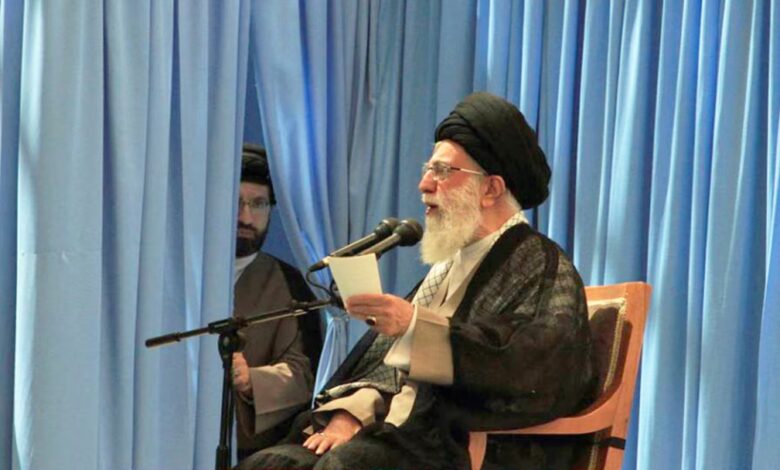
Khamenei's hiding is a sign of the collapse of the myth of authority at the highest level of the system.
In an unprecedented event that shook the white and rotten bones of the Supreme Leader's rule, Ali Khamenei, the leader of the Islamic Republic of Iran, for the first time in 37 years, refused to attend the annual ceremony of the Army Air Force, a ceremony that has always been a symbol of authority, unchallenged presence, and military allegiance to the system .
This historic absence occurred while no official and acceptable explanation was provided by the government, and the international media called it a sign of “domestic crisis” and “fear of external threats.” This deadly silence of the government in the face of Khamenei’s absence has also found its reflection in the international media, forcing experts and analysts to investigate his real situation and the Islamic Republic’s system.
According to foreign media reports, Khamenei did not attend the annual meeting of the Iranian Air Force commanders for the first time since he assumed the leadership position in 1989. The ceremony, which is held to mark the anniversary of the Air Force officers' pledge of allegiance to Ruhollah Khomeini in 1979, has for years been a symbol of the system's cohesion and the leadership's direct authority, even during times of war and internal crises such as the coronavirus.
Hassan Khomeini, the grandson of the founder of the Islamic Republic, attended the ceremony in his absence, a clear sign of the shaking of the power structure and the dramatic transfer of responsibilities to other figures. In addition, the day-to-day running of the Islamic Republic has been entrusted to Massoud Khamenei, the 53-year-old son of Ali Khamenei, who has reportedly become the main channel of communication with the executive branch.
It should be noted that no official institution of the Islamic Republic has provided a precise and reliable explanation for Khamenei's absence, and this silence has intensified the atmosphere of hasty speculation:
- Reports that Khamenei has been moved to an underground bunker in Tehran due to fears of a possible US attack have been reported by the media.
- The media's reaction to his absence from even official Iranian religious events, such as Muharram mourning ceremonies, has been a precedent in previous periods of crisis and war, although the government has tried not to publicly explain these cases.
- Independent analysts have spoken of the possibility of a strengthening of the role of military institutions such as the Revolutionary Guards or a succession crisis, although these are also not official.
International and media reactions to Khamenei's absence from the ceremony coincide with a severe crackdown on protests inside Iran. There have also been credible reports of arrests of reformist activists and widespread repression of protesters:
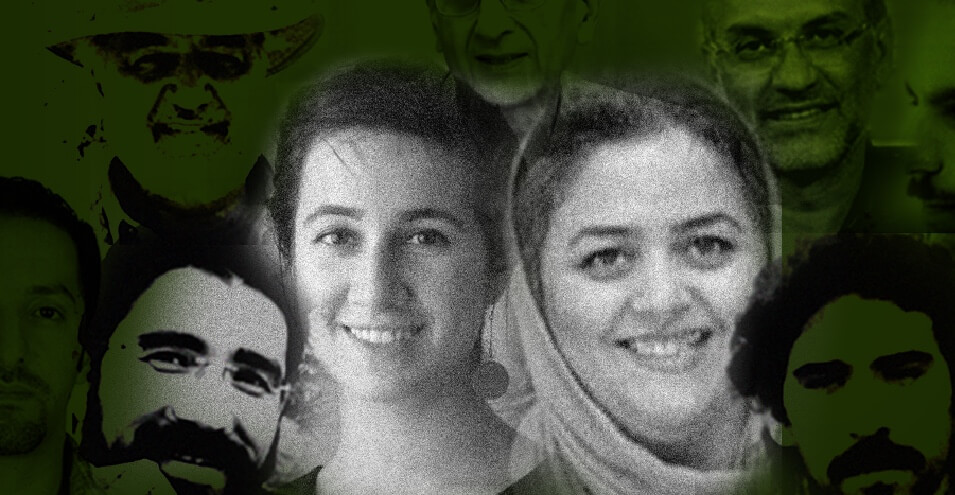
- Iranian security agencies have arrested several prominent reformists, including Azar Mansouri, Ebrahim Asgharzadeh, and Mohsen Aminzadeh.
- Independent figures indicate thousands of victims of the crackdown on protests, figures far higher than the government's official tally.
- On the other hand, in the course of tension with the United States, Iranian missiles in the region and provocative military behavior have continued, and the United States has also strengthened its military in the Middle East.
While Iranian state media is trying to maintain an image of power, the United States has also increased pressure by warning American citizens to leave Iran and threatening severe consequences if a nuclear deal is not reached.
Even indirect talks in Oman, which could have been an opportunity to reduce tensions, have been abandoned without results, and the American side has called for expanding the scope of the talks to include the missile program and the suppression of protests.
This event cannot be seen as a simple absence from a ceremony. The silence, the lack of an official explanation, and the concurrence of internal and external pressures paint a bleak picture of the true state of the regime and its leadership:
- A sign of an internal legitimacy crisis;
- The possibility of a rift between traditional institutions of power and leadership;
- and showing hidden weakness against external threats.
Khamenei, who for years had presented a united, powerful, and unrivaled figure, now refuses to even attend a military ceremony, and this is the most telling symbol of the government's collapse in credibility.