UN Secretary-General: Nowruz is a reminder of what we all have in common
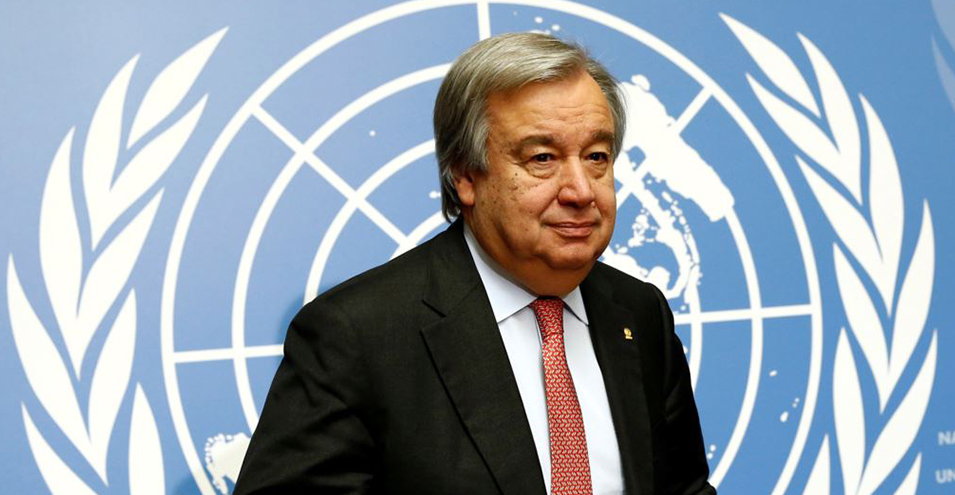
The United Nations Secretary-General, in a message on the occasion of "International Nowruz Day," said, "Nowruz reminds everyone of what we have in common, and also emphasizes the richness of our diversity."
On the first day of Farvardin, Antonio Guterres, the Secretary-General of the United Nations, read a poem by Naser Khosrow in his message that “Spring has come and the desert has come | The year has eaten away the world has been born”. He then referred to other parts of Naser Khosrow’s poem such as “Give wisdom that the world may be born | For the sake of reason and justice” or “Choose knowledge and seek patience because | The rich are endowed with patience and knowledge”, and spoke about the importance of knowledge.
Mr. Guterres says Nowruz is an opportunity to learn more about each other and the world we live in. The UN Secretary-General added that Nowruz is an opportunity to renew our commitment to peace, friendship, human rights and human dignity.

UNESCO Message
In a message on the occasion of "International Nowruz Day," UNESCO, the United Nations' cultural, educational, and research organization, also called for respect for nature, saying, "In an era when extremism is trying to destroy freedom and diversity, Nowruz is a reminder of the power that our culture and heritage have in building sustainable societies."
Since 2010, the United Nations has designated March 21, which roughly corresponds to the first day of Farvardin, as "International Nowruz Day."
Irina Bokova, Director-General of UNESCO, the United Nations Educational, Scientific and Cultural Organization, said in a message on the first day of Farvardin this year that at a time when there are various global challenges, such as extremism, Nowruz is a source of reassurance that belongs to everyone: "With dance, poetry, singing and other social practices, the celebration of Nowruz is an opportunity for every woman and man, girl and boy, to respect nature and hope for a better future."
Ms. Bokova emphasized that the message of Nowruz is also a manifestation of the importance of efforts to implement the Paris Agreement to combat climate change.

Nowruz: "Cultural Heritage" from Europe to Asia
According to the United Nations, more than 300 million people around the world, from the Balkans and Black Sea countries, the Caucasus, Central Asia, the Indian subcontinent, the Middle East, and other regions of the world, have been celebrating Nowruz for more than three thousand years.
In 2009, UNESCO added Nowruz to its “Register of the Intangible Cultural Heritage,” which aims to safeguard the cultural and spiritual heritage of humanity; something that reflects the diversity among humans but at the same time indicates their importance and the need to preserve them for future generations. The list is divided into two parts: the Long List of Intangible Cultural Heritage, and the List of Heritage in Need of Safeguarding. The list was established in 2008, and “Nowruz” was added to it a year later.
Among the occasions, ceremonies and other cultural and spiritual heritages on this list from Iran, we can mention the "Radif" in traditional music, Ta'ziyeh, carpet washing ceremony in Mashhad-Ardehal, carpet weaving in Fars and Kashan, Bakhshi music of Khorasan, Langsazi or Naqali. Among the world heritages, we can also mention yoga, Sicilian puppet opera, Gagaku music from Japan, Armenian duduk, Azar lovers (lovers), Qoshdari in different countries, Belgian Bench Carnival or Buddhist chanting in Ladakh.

Source: Radio Farda