Opinion | Rey Tekye's Note: America Can Support the Desire for Freedom in Iran
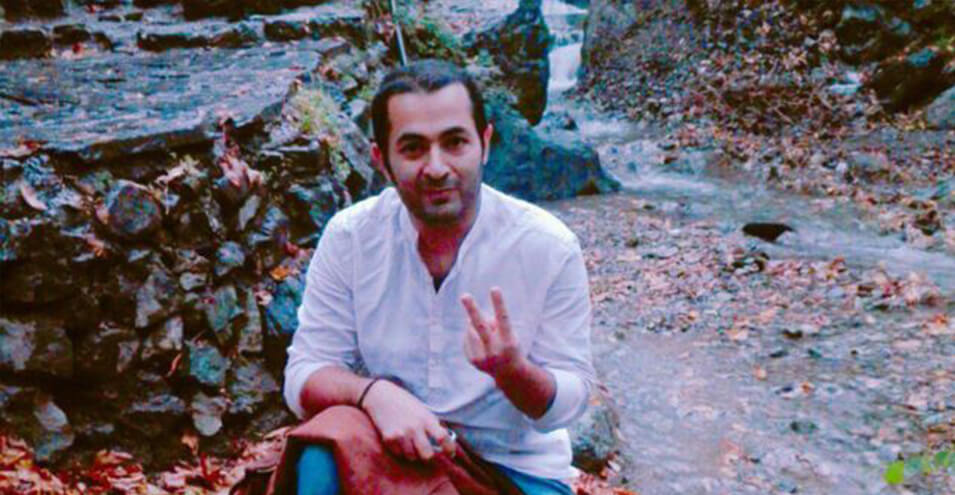
Ray Tekeki, a senior fellow at the Council on Foreign Relations, wrote in a note in the Wall Street Journal: "Follow the model of the 1975 Helsinki Accords that led to the collapse of the Soviet Union."
Members of both parties in the United States believe that any future agreement with Tehran must include the Islamic Republic’s ballistic missiles and regional activities. What is often absent from this discussion is serious consideration of Iran’s human rights record. The main victims of the religious regime in Iran are its citizens.
Human rights have played an important role in U.S. diplomacy. During the Cold War, American officials regularly raised the Soviet Union's repressive policies with their Russian counterparts. As part of the Helsinki Accords of 1975, the Soviet Union agreed to "respect human rights and fundamental freedoms, including freedom of thought, conscience, religion, or belief."
Soon, so-called “Helsinki” groups, as civil society activists in the Soviet bloc, used the Kremlin’s commitment against itself. More than arms control and weapons deployment, it was the Helsinki Accords that spurred change and weakened Moscow’s totalitarian grip. It empowered dissent and exposed internal Soviet abuses.
In 2018, more than a hundred political and civil activists inside and outside Iran, protesting Khamenei's dominance over Iranian foreign policy, said in an open letter: "We, the signatories of this statement, support direct, official, and transparent dialogue between Iran and the United States, and we consider it to be in the interest of establishing peace and security in the world and the region, and improving the welfare, freedom, and pride of Iran and Iranians."
Mustafa Tajzadeh, a former deputy interior minister and reformist activist, tweeted in May 2020: "Building and launching satellites and long-range missiles is a source of pride, but if it is not accompanied by gaining public trust and economic recovery, at best we will become the Soviet Union, which conquered space and split the atom, but collapsed, and at worst North Korea, which has missiles but no bread."
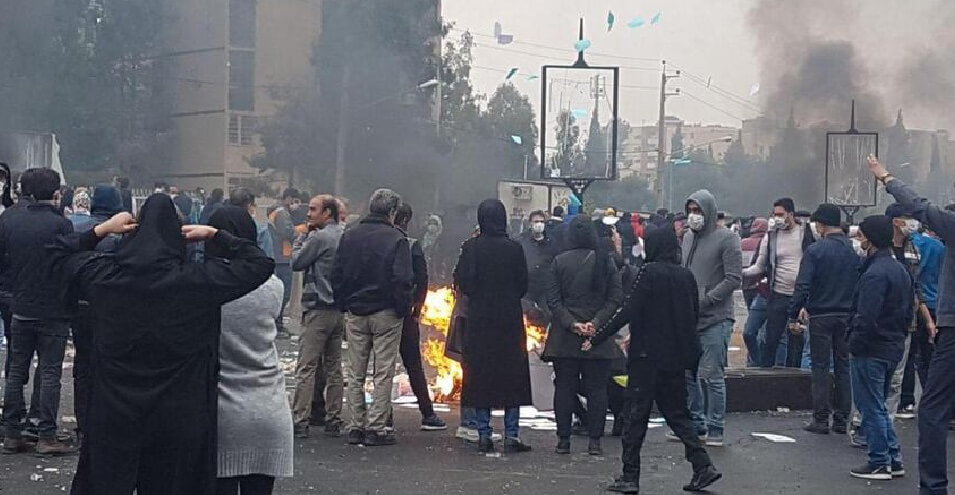
These issues have been evident in the protest movement of recent years.
The Islamic Republic is at a dead end. It has no desire to reform, but without reform it cannot meet the people’s demands. Journalist Abbas Abdi has compared the Islamic Republic to the Shah’s government, which was overthrown in 1979.
Ayatollah Mohammad Mousavi Khoyeiniha, one of the fathers of the revolution, has criticized the Leader of the Islamic Republic and said that this situation is not sustainable.
In recent years, all elements of Iranian society, including the working classes, have expressed their discontent through protests. Political repression, mismanagement of the coronavirus pandemic, economic stagnation, and widespread corruption have disaffected a large segment of the Iranian population. Less visible are the civil society activists who are laying the intellectual foundation for the protest movements. America can protect and amplify these voices for change.
In Helsinki, the Soviet Union was required to commit to changing its domestic behavior. Any potential dialogue between Iran and the United States must include human rights. The Islamic Republic’s access to international markets must be conditional on improving its treatment of its citizens. The Soviet Union was not exempt from this. The mullahs in Iran should not be exempt either.
Source: Voice of America