Robert Malley: The US has two possible options if the JCPOA negotiations fail
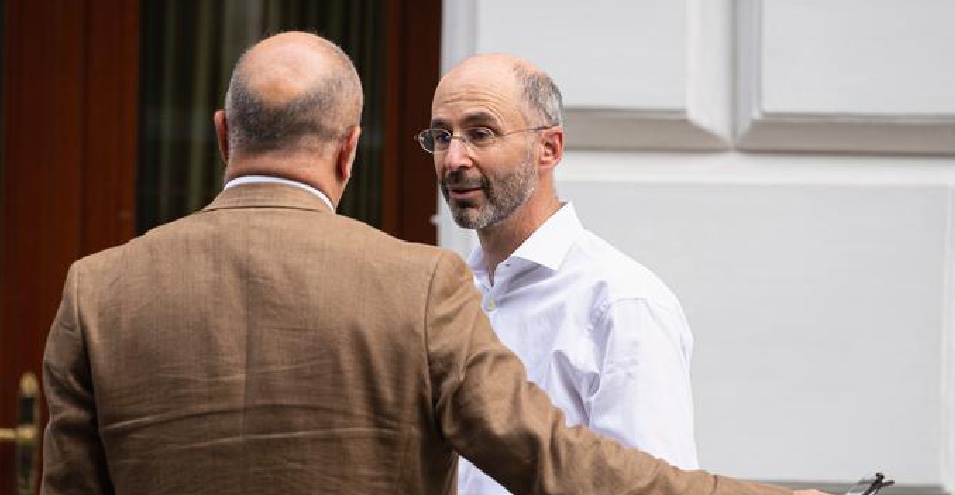
Robert Malley, the US special representative for Iran, called the fate of the nuclear deal with Iran “a big question mark.” He also discussed two possible options for US actions if the JCPOA negotiations in Vienna fail.
Robert Malley, the US special representative for Iran, said in an exclusive interview with the analytical news website Politico on Thursday, August 19, referring to the Islamic Republic's lack of participation in the JCPOA negotiations: "Joining the international and multilateral agreement of the JCPOA is not something that we can fully control."
According to Politico, Robert Malley is not so sure he will succeed in his mission.
The Vienna negotiations aimed at returning to the JCPOA agreement have been held six times so far between the Islamic Republic and five countries: Germany, Britain, France, Russia, and China, with the indirect participation of the United States.
The last round of these negotiations ended on June 20th, and unlike previous rounds, no date was set for the next round of negotiations.
According to Politico, negotiations to revive the JCPOA have become “complicated and virtually stalled” with the arrival of Ebrahim Raisi, Iran’s new president.
In his interview, Robert Malley refused to answer a Politico reporter's question about the percentage chance that the United States would return to the JCPOA nuclear agreement, saying, "It wouldn't help much if I gave you a percentage. We are ready to resume negotiations."
Mali further added that in the event of failure in the negotiations to revive the JCPOA, his team is preparing some contingency plans and plans.
According to the US representative for Iran, one of these is that Washington and Tehran will sign a completely separate agreement, which has different parameters than the current agreement.
Another is a series of punitive measures coordinated by European allies. The US special representative for Iran, however, declined to provide details on the extent of such measures.
Referring to America's readiness to resume negotiations, he stated: "If we thought it was impossible to reach an agreement, we would not have done so."
Mali emphasized that the delay in the negotiations is due to the distrust that has been created during the Trump administration's "maximum pressure" policy towards the Islamic Republic and the political transition in Iran.
Source: DW