Rejection of asylum applications by the Turkish government that were confirmed by the UN
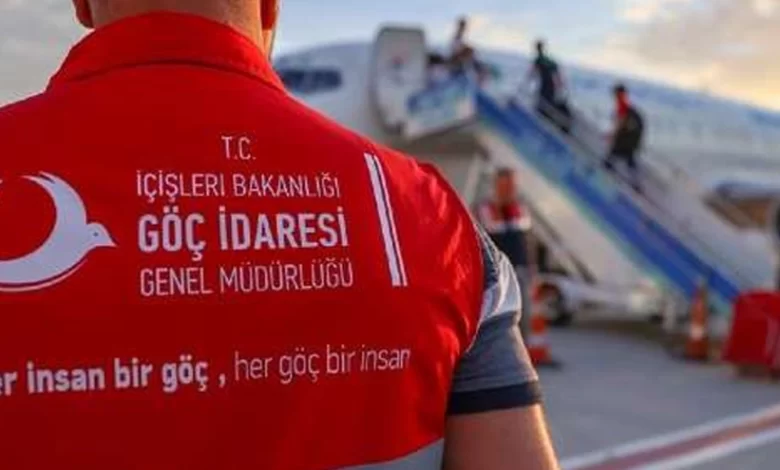
Many asylum cases that were previously approved by the UN have now been rejected by the Turkish government.
Although Turkey is a Muslim country, it has become a refuge for many families, young people, single women, and people affected and oppressed by the Islamic Republic system, which has also accepted many Iranians, in addition to Afghans and Syrians. In the past 5 years, all refugee cases were processed and approved by the United Nations, then the refugee cases were reviewed for transfer to a third country, and finally they were transferred to the destination country. However, since 2018, all cases have been referred to the Turkish Immigration Office, and the final decision on whether the refugees should stay and whether their cases should be processed was the responsibility of the Immigration Office.
Homa is a woman who lives in Turkey with her two children, aged 20 and 13. In 2013, she was persecuted by the regime forces for converting to Islam and was forced to seek refuge in Turkey. According to Homa, she had a company in Iran and was financially well-off, but when she was persecuted for converting from Islam to Zoroastrianism, everything fell apart and she, her husband, and her two children were forced to leave Iran.
Upon arrival in Turkey, he submitted his documents and evidence to the United Nations High Commissioner for Refugees and was accepted as a refugee. The UN obliged the Turkish government to refrain from returning him to his country, where his life would be in danger.
According to Homa, many people who have converted to Islam have been sentenced to death by the Islamic Republic on charges of apostasy and their sentences have been carried out. Hossein Soudmand, a person who converted to Christianity before the 1978 revolution and had a home church, was executed in Mashhad in December 2010, while Seyyed Ali Gharabat, who had also converted to Christianity, was executed in Ahvaz in February 2020 on charges of apostasy and inciting corruption.
Homa and her family sought refuge in Turkey to save their lives, and their case was approved by the UN after a few years. However, since 2018, when the cases were referred from the UN to the Migration Agency for re-examination, her case has also been rejected. She has appealed the decision of the Migration Agency to the court and is awaiting an appeal, but according to her own statements, along with other refugees who are awaiting an appeal like Homa, this procedure is only to buy time to prevent their deportation to Iran, while the court has also repeated the decision of the Migration Agency in many cases.
Homa said in this regard: "There is no such thing as the United Nations in Turkey. They practically offer neither protection nor assistance. I am a UN refugee and every time I have called they have only replied to say, 'Wait.' We have no work permits here, no financial assistance, we are even denied insurance. Should we go and die?"
He states that the lives of all those who have sought refuge in Turkey from Iran for ideological and political reasons, especially Christians and other minorities, are in danger, because the majority of refugees are deported by the Turkish government and in some cases handed over to the Iranian border police.
According to human rights reports, the conditions for asylum seekers in Turkey are deteriorating. The critical state of the Turkish economy, the wave of inflation and the high cost of living have put more pressure on asylum seekers than on Turkish citizens, to the point that these conditions have become unbearable for many of them.
Mahshid Nazemi, a human rights activist who himself was a political refugee in Turkey for many years, said in this regard: "The cause of all these troubles is the authoritarian government that has caused us, the people of Iran, to experience forced displacement."