Time is running out, Grosci warns about Iran nuclear inspections
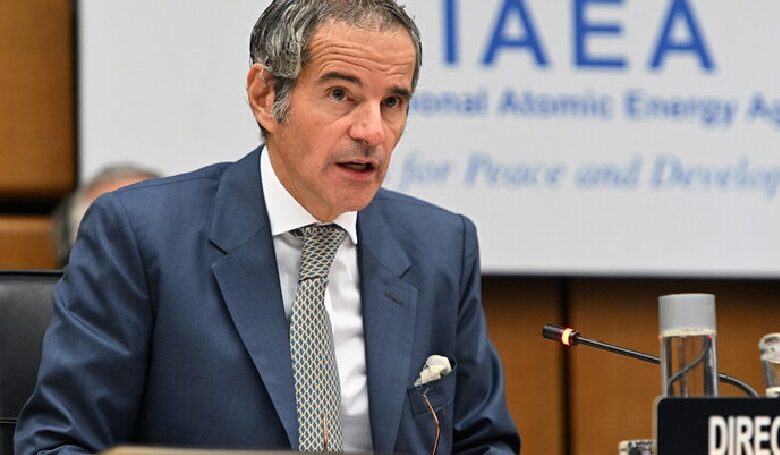
"Grossi" stressed that time is running out and Iran must act responsibly to fully resume inspections.
Rafael Grossi, Director General of the International Atomic Energy Agency, announced on Monday, September 8, that the window of opportunity to reach an agreement with Iran on how to fully restore nuclear inspections is closing. He emphasized that these negotiations will only be successful if the Iranian side shows good faith and a sense of responsibility.
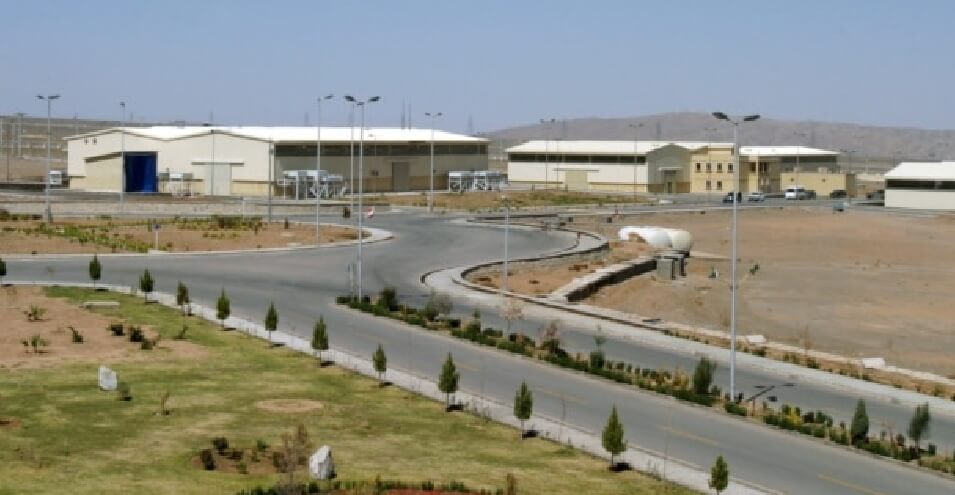
IAEA inspectors have been unable to access Iran’s nuclear facilities since US and Israeli airstrikes during the 12-day war. Following that, Iran’s parliament passed a law suspending cooperation with the agency and making any inspections conditional on a decision by the Supreme National Security Council. This effectively blocked the path to transparency and put Iran further at odds with its international obligations.
The ongoing negotiations between the IAEA and Tehran are about how to resume inspections, but Grossi noted that these talks in no way change Iran's responsibilities as a member of the Nuclear Non-Proliferation Treaty (NPT).
Three European countries, France, Britain and Germany, have simultaneously launched a 30-day process to reinstate suspended sanctions. They have warned that a “trigger mechanism” to reinstate UN sanctions will be activated if Iran does not provide a clear explanation for its stockpile of weapons-grade uranium and resume full cooperation with the IAEA.
"There is still time, but not much," Grossi told the Board of Governors. "There is always enough time, when there is good will and a clear sense of responsibility." He expressed hope that the ongoing negotiations would be concluded in the coming days, paving the way for the Agency's full and vital work in Iran.
These developments once again show that the policies of the Islamic Republic, instead of defending national interests, have plunged Iran into isolation and international pressure. The government's lack of commitment has not only narrowed the path to any diplomacy, but has also made the Iranian people the main victims of this crisis; the people who are bearing the costs of sanctions, economic pressure, and political instability.