UN: More than two billion people lack access to clean water
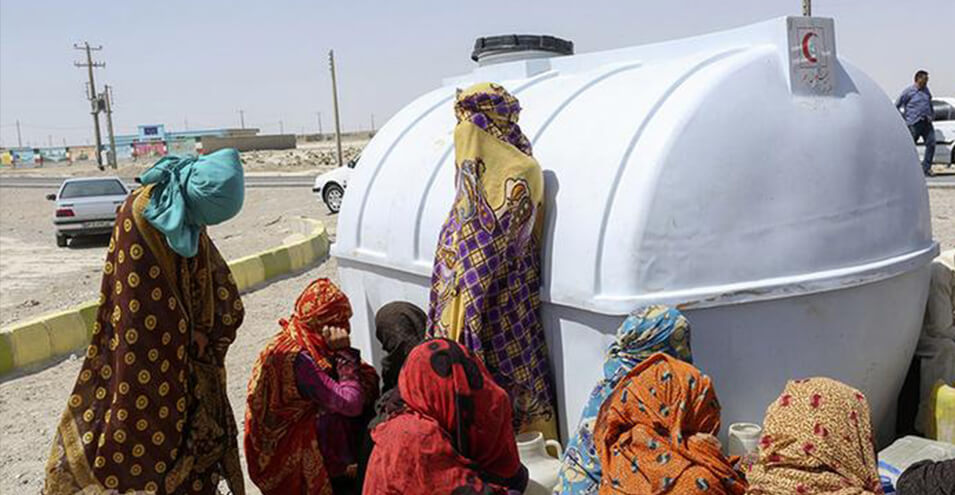
According to the United Nations, at least two billion people on Earth lack access to safe drinking water. This crisis is also present in Europe and North America, but is far more severe in African countries.
On the eve of World Water Day, the latest report on drinking water from the United Nations' World Water Assessment Program was released. The report states that more than two billion people around the world do not have access to safe drinking water.
According to this report, individuals or groups who are discriminated against due to ethnic, religious, gender, or material affiliations have less access to drinking water than others.
UN researchers have also concluded that more than half of the world's population lacks access to sanitation facilities.
The water and sanitation situation in refugee camps in poor countries has been reported to be deplorable.
According to the World Water Assessment Program, about 844 million people have to spend half an hour a day collecting water. Many of these people do not have direct access to drinking water.
The situation of urban dwellers is better than that of rural dwellers. About 63 percent of urban residents have access to a water supply system, compared to nine percent of rural residents.
More than half of the people without access to safe drinking water live in Africa.
Water situation in Germany
Ola Borshard, a member of the German UNESCO Committee's executive board, described the country's drinking water situation as "very good." Almost all German households have access to a water supply system and sanitation facilities, while about 57 million people in Europe and North America do not have piped water.
According to a UN report, Germans have used less than 20 percent of the country's renewable water reserves in the past 15 years. Despite this, Germany is one of the countries that is considered to be the cause of water shortages in other countries. The reason for this is the import of various food products that use too much water to produce. In this regard, flax and beef are mentioned.
The average rate of water consumption from renewable groundwater reserves in countries facing water crises is 25 percent. Among these countries, Egypt and Pakistan are the record holders, consuming nearly 70 percent of their reserves.
Iran's situation
The water situation in Iran is also precarious and, according to experts, is getting worse. The Washington Post wrote last July that “Iran is heading towards a massive water crisis” and that there are few solutions to the problem. The newspaper attributed the water crisis in Iran to mismanagement.
The water crisis has sparked various protest movements in Iran in recent months, including the symbolic resignation of Isfahan representatives in parliament.
According to the latest report by the International Water Management Institute, Iran's groundwater reserves will reach "dangerous and irreversible" levels by 2025.
Source: DW