Water rationing for people in Tehran likely; expert warns of 'water bankruptcy' in Iran
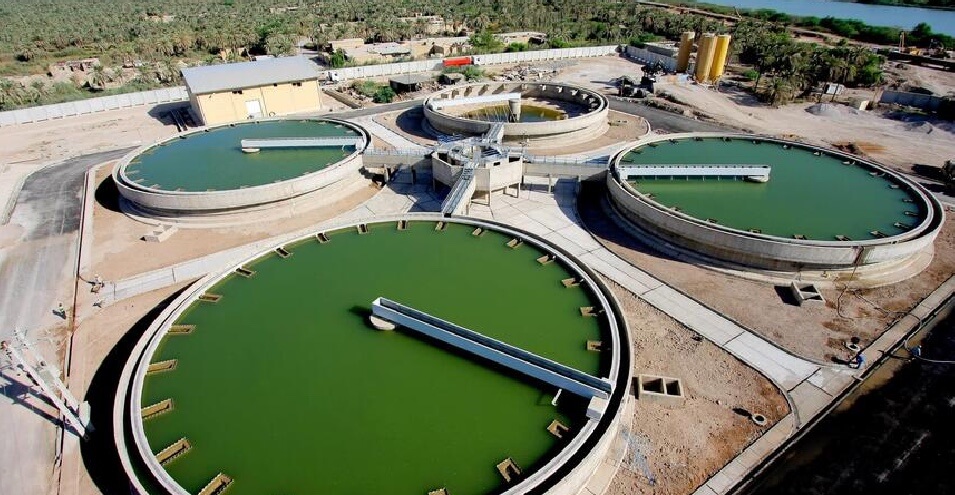
The CEO of Tehran Provincial Water and Wastewater Company says that 20 percent of the capital's population consumes more water than the norm, and this trend will lead to what he calls water "queuing."
On Tuesday, May 12, ISNA News Agency published an interview with Mohammad Reza Bakhtiari, CEO of Tehran Province Water and Wastewater Company, in which, without using the term "rationing," he warned that current water consumption could lead to what he called "water queuing."
According to this ISNA report, in addition to "higher consumption than the citizens' pattern," "a 50 percent decrease in rainfall in the country compared to last year" is also one of the reasons for the critical water situation in the capital and the possibility of rationing.
This official's warning comes at a time when some experts in Tehran believe the situation is more serious than he said.
Nik Ahang Kowsar, a water analyst and journalist, tells VOA that the water situation in Iran has moved beyond a "crisis" situation and has led to what the water expert calls the "water bankruptcy stage."
Mr. Kausar says: “The reduction of water resources due to unreasonable consumption in the agricultural sector – that is, excessive consumption due to self-sufficiency and agricultural policies – has led to the current bankrupt situation. And just a few days ago, one of the water managers, the head of the Large Dams Committee, stated that we are experiencing water bankruptcy and this is due to bad management, not due to a decrease in rainfall. And this indicates that the Islamic Republic has acted very badly over the past few decades, and we are now seeing the results of this bad behavior more clearly.”
According to Mr. Kausar, this situation could have adverse social, political, and security implications. As in some countries around the world, water shortages have been a trigger for crises that have even escalated to physical violence.
The water crisis in Iran has caused dissatisfaction and protests, both large and small, in recent years. Voice of America has covered the protests of these protesting farmers several times.
In the nationwide protests of January 2017, the water crisis was one of the examples of public protests, including in Qahdarijan, which was met with violence by security and law enforcement forces, and a number of protesting citizens were killed.
On May 25, 2011, Voice of America reported that the Isfahan Public and Revolutionary Prosecutor issued a notice banning any gathering under the guise of demands for the agricultural sector and Zayandeh Rood without permission from the provincial supply council.
Source: Voice of America