Baha'i International Community Spokesperson: The scale of recent arrests in Iran is a cause for concern
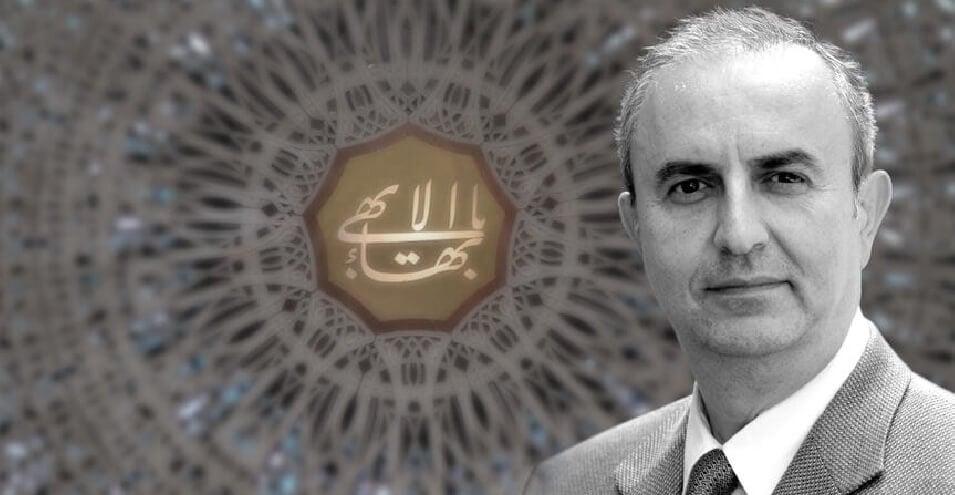
Regarding news of the arrest and harassment of Baha'is in recent months, the spokesperson for the Baha'i International Community has described the scope of recent arrests of Baha'i citizens in Iran as "worrying" and the situation as "grave."
Farhad Sabetan, a spokesman for the Baha’i International Community, told VOA that over the past three months, there has been a new wave of arrests, with raids on Baha’i homes and the seizure of their property. In the city of Isfahan, at least 10 Baha’i women have been arrested and the homes of at least 14 other citizens have been searched. Seven Baha’i citizens have also been arrested in Shiraz and their homes have been searched, and in Babol, a person named Manijeh Azamian has been arrested.
He added that at least thirteen people in Bandar Abbas and four Baha'i citizens in Mashhad, namely Nika Pakzadan, Sanaz Eshaghi, Nakisa Hajipour, and Nagmeh Zabihian, have been arrested and transferred to prison. Of these, five of the Bandar Abbas citizens have currently been sent on leave.
Noting that the scale of recent arrests in Iran is a cause for concern, Mr. Sabetan said, "All of these Baha'i citizens have been arrested simply because they are Baha'is." According to him, these citizens have also been charged with "membership in the errant Baha'i sect" from the Islamic Republic's perspective.
The Baha'i International Community News Service also stated in its latest report, a copy of which was sent to Voice of America, that: "The recent wave appears to indicate the implementation of a broader program by the Iranian government to increase the persecution and repression of this community, which is considered the largest non-Muslim religious minority in the country."
The report, referring to the seizure of Baha'i lands and properties in the village of Ayol and the prohibition of Tehran's Baha'is from burying their loved ones in a plot of the Khavaran cemetery previously allocated to them, states that these events constitute a broad government campaign aimed at the systematic destruction of the Baha'i community as a living and dynamic community.
The spokesperson for the Baha'i International Community also pointed out that at some point, the number of arrests of Baha'i citizens may decrease, telling VOA: "The idea that Baha'is are immune from government pressure at any time is not true, and this is what we are experiencing." He also added that the Islamic Republic is accusing Baha'i citizens of undermining national security and spying for other countries, even though no documents or evidence that would be admissible in court have been presented to date."
Mr. Sabetan says: "We are really not willing to have Baha'is be a separate entity. But if they are arrested, the authorities of the Islamic Republic are obligated to execute legal documents and legal courts, and if they have not committed a crime, they should not harass the Baha'is of Iran so much."
He also referred to the recent television programs of the Islamic Republic of Iran Broadcasting, which are produced and broadcast in order to spread hatred against Baha'i citizens, and said: "Recently, a television program called "Like the Moon" was broadcast again, which is intended to spread hatred against the Baha'i community and Baha'is in Iran, and this is part of a series of media campaigns against the Baha'i community. In other words, the goal and motivation is to create a kind of discord between the Baha'i community, Baha'i citizens, and Iranian compatriots, which unfortunately continues continuously."
The US State Department has repeatedly and on various occasions condemned the violent confrontations and widespread repression of protesters, as well as the repeated and persistent violations of the rights of Iranian citizens by the Islamic Republic.
The United States Commission on International Religious Freedom also expressed concern in its annual report in early May of last year about the state of religious freedom in Iran; part of the report states that the Islamic Republic has increasingly targeted Muslim minorities, especially Sunnis and Dervishes, as well as followers of other religions and denominations, including Baha'is and Christians.
Source: Voice of America