Shirin Ebadi sent a letter to the UN protesting the suppression of religious freedoms in Iran
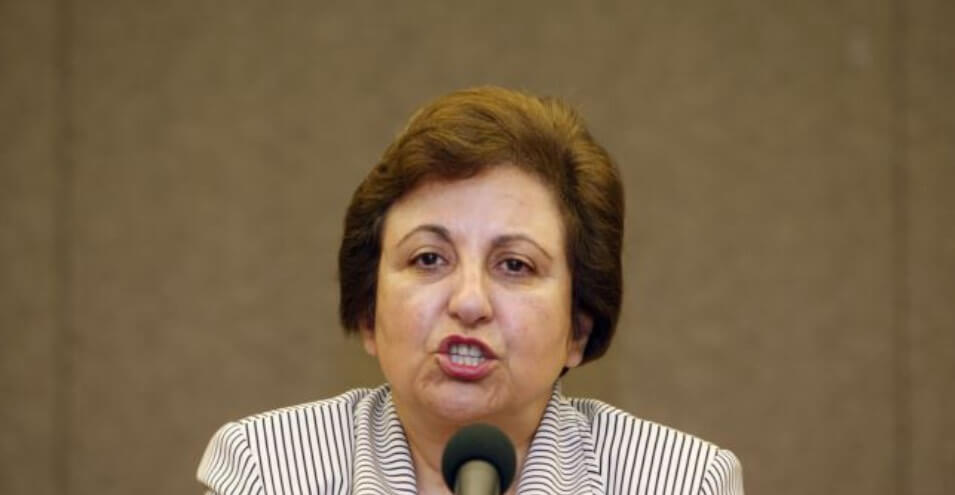
Shirin Ebadi, an Iranian lawyer and Nobel Peace Prize laureate, responded to the Iranian regime's new restrictions on religious freedom by sending a letter to the UN High Commissioner for Human Rights.
In recent days, news has been circulating on social media about a ban on issuing national ID cards to Iranian citizens who do not believe in Islam or one of the three religions - Christianity, Judaism, and Zoroastrianism - recognized in the constitution of the Islamic Republic; news that has drawn reactions from some human rights activists and social media users.
Javad Abtahi, Conservative MP
Summary of Note: The need to review the national smart card and remove the "Other" option from the aforementioned card, which would result in the recognition of deviant sects, including the #Baha'is ...
A country that is caught in a whirlpool of problems and the concern of its representatives is preventing the recognition of the country's citizens! pic.twitter.com/a3CuhB2FGh— Atish Atish (@Atiiiiish) December 28, 2019
Ms. Ebadi is one of the critics of the new law on issuing national ID cards in Iran. On Thursday, February 25, she sent a letter to the UN High Commissioner for Human Rights expressing regret over the Islamic Republic's new restrictions on followers of other religions and calling for the use of all legal means to improve the human rights situation in Iran.
In his letter, a copy of which was also sent to the UN Secretary-General, the Special Rapporteur on Human Rights in Iran, the Rapporteur on Freedom of Religion, the Rapporteur on Freedom of Expression, and the Rapporteur on Arbitrary Detention, this Iranian lawyer, referring to the fact that there are approximately 350,000 Baha'is living in Iran, stated that there are a number of atheists, Baha'is, Yarsans, and Yazidis living in Iran who are thus deprived of their citizenship rights.
At the end of her letter, Ms. Ebadi notes that "the answer to any protest in this country is a bullet or prison," and that despite numerous international warnings and domestic protests, the human rights situation in Iran is worsening day by day and is turning into a crisis.
Recently, on Friday, November 8, representatives of 33 countries, including the United States, criticized the violation of the rights of ethnic and religious minorities, including Baha'i citizens, in a periodic meeting to review the human rights situation in Iran, and called on the Iranian government to respect their rights.
International human rights organizations and the United States government have repeatedly condemned the persecution and imprisonment of followers of religious minorities in Iran.
Javed Rehman, the UN Special Rapporteur on Human Rights in Iran, also said in his second report on the human rights situation in Iran in August of this year that the Islamic Republic no longer executes Baha'is solely for their religious beliefs, but the risk of raids, arrests, and imprisonment is constant, and since August 2005, more than 1,168 Baha'is have been arrested and faced with vague and ambiguous charges.
Earlier, US Ambassador at Large for Religious Freedom Sam Brownback told VOA: "Iran has the most egregious record in the US State Department of countries involved in the persecution of religious minorities, and this regime persecutes any religious minority it deems inappropriate."
US Secretary of State Mike Pompeo said during the unveiling of the annual Religious Freedom Report that the repression of Baha'is, Christians, and other religious and religious minorities in Iran remains a cause for serious concern.