Taliban bans Afghans from leaving the country
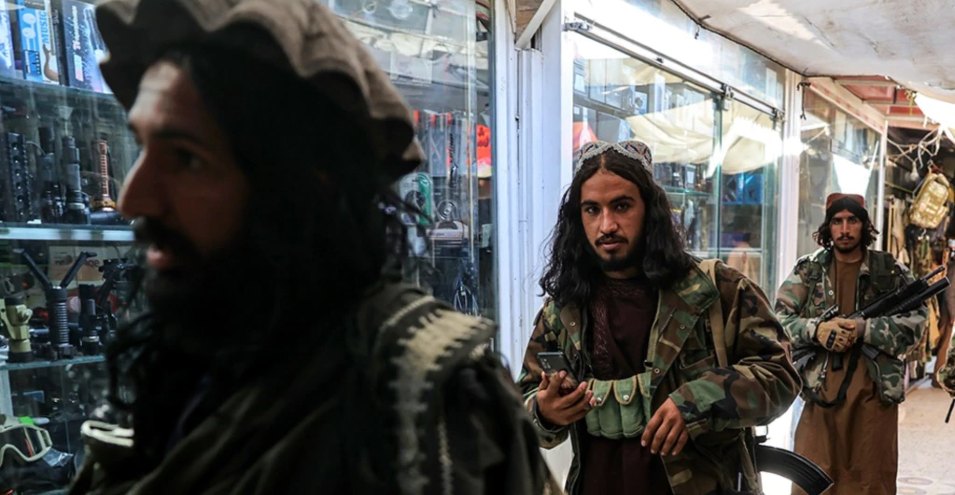
The Taliban spokesman announced that they would prevent the departure of people who intend to leave the country with their families without any "excuse".
According to AFP, Taliban spokesman Zabihullah Mujahid also said on Sunday, March 29, that "organized departure of Afghan citizens by countries or non-governmental organizations is also prohibited."
Regarding the status of women in the new law, the Taliban spokesman also said that following previous restrictions on women's individual travel during domestic travel, they also need to be accompanied by a male family member or relative when traveling abroad.
Mr. Mujahid stated that the goal of the new restrictions was to “prevent problems for Afghan citizens abroad,” and said that the decision was based on reports that “thousands of Afghans are living in very bad conditions abroad.”
The new restrictions will affect the travel of thousands of Afghans, especially those who worked with US-led foreign forces and Western organizations before the Taliban regained control of Afghanistan and were promised asylum in other countries.
More than 120,000 Afghans and dual nationals left Afghanistan by early September this year, two weeks after the Taliban took control of Kabul.
At the same time as the new law restricting foreign travel is being announced, Taliban forces are continuing their so-called "cleansing" operation in the capital with "house-to-house searches" and the stated goal of identifying "weapons, thieves, and kidnappers."
The implementation of this operation has caused concern among citizens who collaborated with the previous government and foreign forces and have not yet been able to leave Afghanistan.
New restrictions on legal Afghan immigration have greatly increased concerns about people turning to illegal exit and the potential for fatal consequences for them.
Following the Taliban's resurgence in Afghanistan in August of this year, the number of Afghan refugees, especially those trying to illegally cross the Iranian and Turkish borders to reach Europe, has increased significantly.
In its latest report on the situation in Afghanistan in 2021, published on January 29, the International Organization for Migration reported the displacement of hundreds of thousands of Afghans and the return of about one million of them to their country in the past year.
The United Nations has previously warned about the "worsening" situation for the Afghan people, announcing that the number of refugees in the country has reached three and a half million.
According to a report by a Norwegian group assisting Afghan refugees, in recent months, between four and five thousand Afghan refugees have entered Iran daily, and it is expected that hundreds of thousands more will be added to their number as the winter continues.
Meanwhile, Afghanistan's neighboring countries, which are the initial or final destination of many Afghan refugees, have implemented strict programs to accept refugees from this country.
The Director General of Nationalities Affairs at the Iranian Ministry of Interior announced in early October that Iran's core policy is not to accept new refugees due to difficult economic conditions.
In late September of this year, Turkey's Interior Minister also announced the country's decision to extend its security wall along the Iranian border to prevent the entry of Afghan refugees.
Source: Radio Farda