Amnesty International: Arsalan Khodkam faces execution
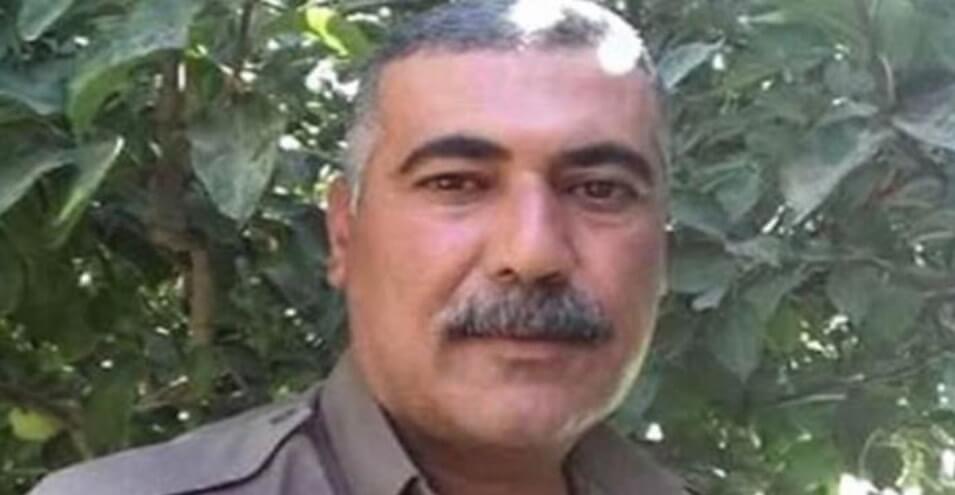
Amnesty International has written to Ebrahim Raisi, calling for the execution of a Kurdish prisoner to be prevented. The Urmia Military Prosecution has sentenced Arsalan Khodkam to death in a half-hour trial on charges of “spying for the Kurdistan Democratic Party.”
In a letter addressed to the head of the Islamic Republic's judiciary, Amnesty International called the issuance of a death sentence to a Kurdish defendant in a half-hour trial "unfair," and noted that Arsalan Khodkam did not have access to a lawyer and that his trial was based on confessions obtained under duress.
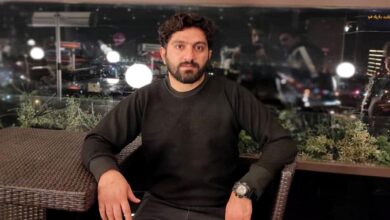
Arsalan Khodkam (Sohrabi) is 47 years old and was arrested in May 2018. The Urmia Military Prosecutor's Office sentenced him to death on charges of "acting against national security by spying for Kurdish opposition parties," and the sentence was confirmed by the Supreme Court of the country.
This citizen, who lives in Mahabad, was previously a member of the Revolutionary Guards and is married.
The website “Atlas of Iranian Prisons” identifies Khodkam as a member of the Kurdistan Democratic Party (KDP) who, after leaving the party, joined the IRGC in the 1980s. The Islamic Republic’s security authorities have accused him of being an informant for the KDP as a senior member of the IRGC. Amnesty International writes: “Khodkam has consistently denied this accusation, saying that an Instagram connection with a relative of his wife, who is a member of the Democrat Party, was the basis for such an accusation.”
Amnesty International says Arsalan Khodkam was sentenced to death just three months after his arrest and during an unfair 30-minute trial; he was forced to confess under pressure and torture, and he was never given access to a lawyer during that time: “In the spring of 2020, his lawyer requested access to the case documents to prepare a petition, but the Urmia Military Prosecutor’s Office authorities did not allow him to represent him. Khodkam saw his captured lawyer for the first time on the day of the trial; a lawyer who did not defend him at all.”
The Amnesty International letter states: "After his arrest, he was detained at the Al-Mahdi military base in Urmia and spent 36 days in solitary confinement without access to his family or lawyer."
Arsalan Khodkam said that during this time, the interrogators forced him to confess through torture. The prisoner described one example of the torture as “repeated whippings and punches and kicks” to his surgically operated back and waist, and said that he fainted several times as a result of the blows. Amnesty International writes: “The interrogators did not allow him to use the bathroom, to the point that he wet himself many times and injured his bladder and kidneys by holding in urine.”
Hodkam said that the interrogators had also deprived him of sleep to force him to confess.
Amnesty International notes that Branch 32 of the Supreme Court rejected the defendant’s appeal against the death sentence, disregarding his objections to the confessions obtained under duress, and did not provide the defendant with a written copy of the sentence. The organization emphasizes that under international law, the death penalty for espionage is considered one of the “most serious crimes” and calls the verdict against the autocrat a violation of the law.
Amnesty International has called on the Islamic Republic's judiciary to overturn the sentence against Arsalan Khodkam and allow him access to a lawyer of his choice. The organization has also called for an independent and impartial panel to follow up on Khodkam's allegations of torture and ill-treatment during interrogation and, if proven, to bring the perpetrators to justice.
Amnesty International has called on human rights advocates to write a similar letter to Ebrahim Raisi and try to prevent the execution of Arsalan Khodkam.
The human rights website "Hengaw" previously reported that Arsalan Khodkam had lost 40 kilos during interrogation. His wife, Nesmil Qohitasi, was also arrested at the same time as her husband and served a one-year sentence.
Source: DW