Israeli army commander: We are prepared for a possible attack on Iran
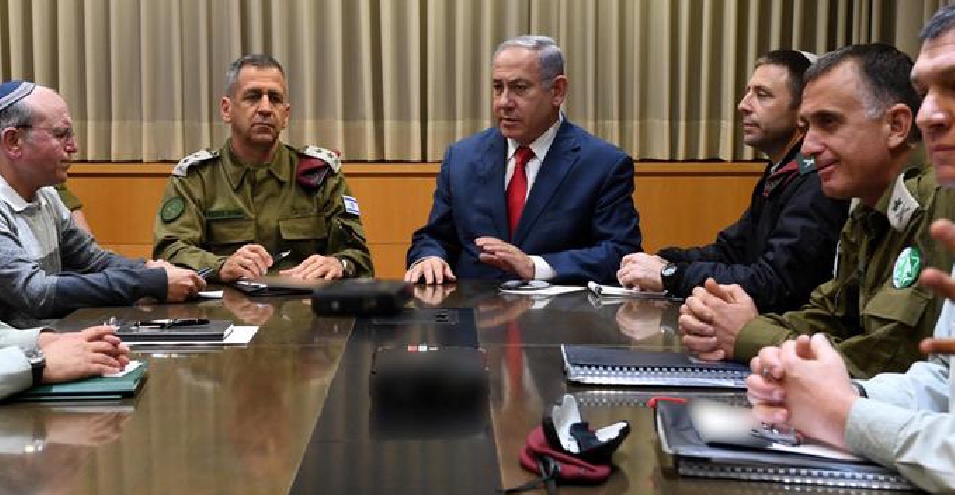
General Kochavi said he has ordered the Israeli military to prepare for a possible attack on Iran next year. He also warned against the US returning to the JCPOA, calling it a bad move from a strategic and operational perspective.
The Israeli army commander has said he has ordered his forces to prepare for a possible attack on Iran next year.
In a speech at the Institute for National Security Studies on Tuesday, January 26, General Amir Kokhavi announced this news and warned the Biden administration against the US returning to the nuclear agreement with Iran, even if the terms of the agreement are tightened.
General Kochavi has called returning to the JCPOA, even with some positive changes, “strategically and operationally bad.” He believes the agreement will allow Iran to advance its nuclear program, which he says is “an unacceptable threat” and will lead to an escalation of nuclear competition in the region.
The Israeli army commander said that given Iran's recent threats against the country, the Israeli army is preparing to attack Iran if necessary.
"I have ordered the military to prepare for a number of operational plans in addition to those that already exist. We are working on these plans and will expand them over the next year. Of course, the decision is up to the political leaders, but these plans are on the table," Kochavi said.
Bipartisan pressure on the Biden administration
Both Israel and Iran have increased pressure on the new US President, Joe Biden, albeit in opposite directions. Just before Kochavi’s speech, Ali Rabiei, the spokesman for the Islamic Republic of Iran government, warned the Biden administration against returning to the JCPOA, saying: “The window of opportunity will not remain open forever.”
On the other hand, Israeli officials, including General Kochavi, say that the Islamic Republic is in a much weaker position after the Trump administration’s sanctions on Iran. They say that the “sunset” clause should be removed from any agreement with Iran; it is one of the provisions of the JCPOA, according to which Iran can resume its nuclear activities after 10 years.
Unlike the new US administration, Israel believes that the JCPOA agreement cannot prevent the Islamic Republic of Iran from developing nuclear weapons. For this reason, the country warmly welcomed the US withdrawal from the agreement in 2018.
Israel also wants any agreement with Iran to include discussions on its long-range missile program as well as the Islamic Republic's military involvement in supporting Israel's enemies in the region.
On the last day of Donald Trump's presidency (January 19), the Islamic Republic conducted a missile drill by firing cruise missiles in the Sea of Oman. Iran also has missiles with a range of 2,000 kilometers, enough to target Israel as well as military bases in the region.